
What fish are on your coast? — page 6 of 16
Choose the water you fish: shore, reef, surf or deep water. Then open a fish to see what it eats, when it comes in, and how to catch it.
Species records
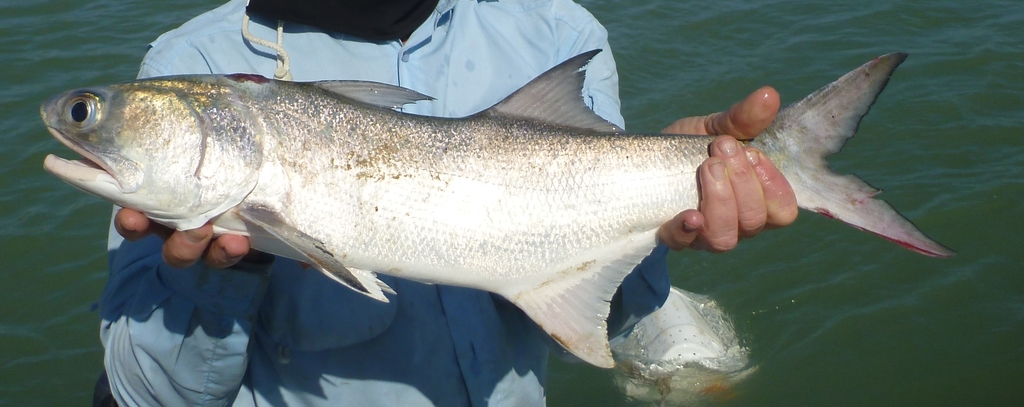
Fourfinger threadfin
Fourfinger threadfin is recorded across the Indo-Pacific, from Persian/Arabian Gulf, Pakistan, India and Sri Lanka (except the Red Sea and East Africa) to northern Australia and New Guinea, within the family Polynemidae. It is caught from 0 to 23 m, in tropical water. It tops out at 200 cm TL and 145 kg, on a diet of crustaceans, fishes and worms. The usual approach is shore casting or boat fishing. It is present year-round.
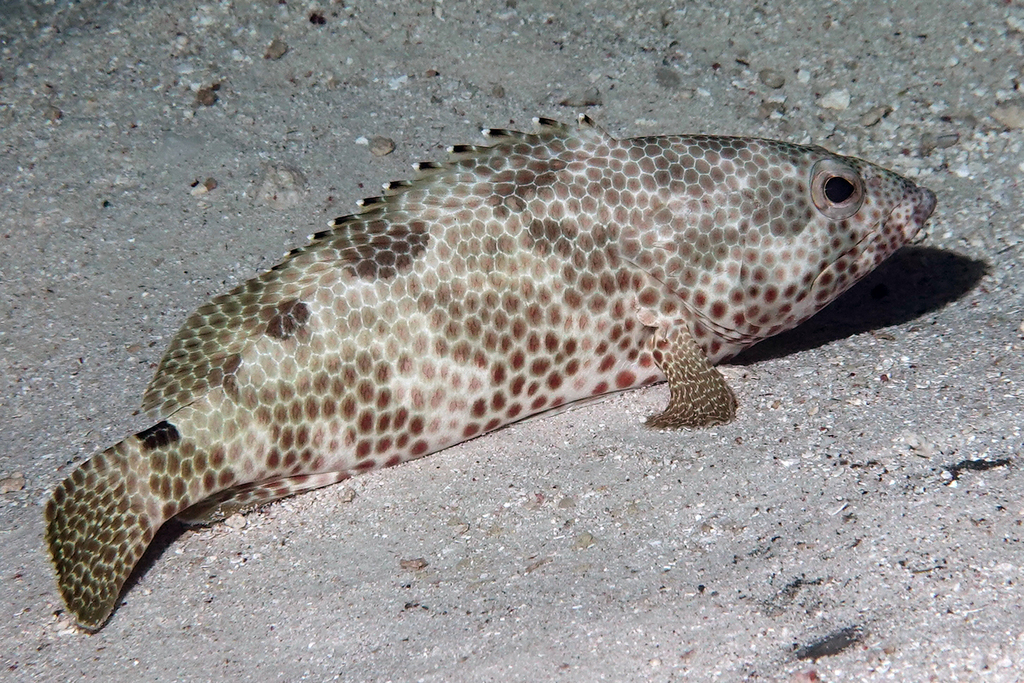
Foursaddle grouper
Most species pages tell you where a fish lives. This one is more useful read backwards. FishBase states plainly that the species is not known from the Red Sea, the Persian Gulf, Sri Lanka, the Philippines, Taiwan, Japan or Australian waters, the single exception being Rowley Shoals off Western Australia. Seven absences and one exception make a better trip filter than the positive list does.
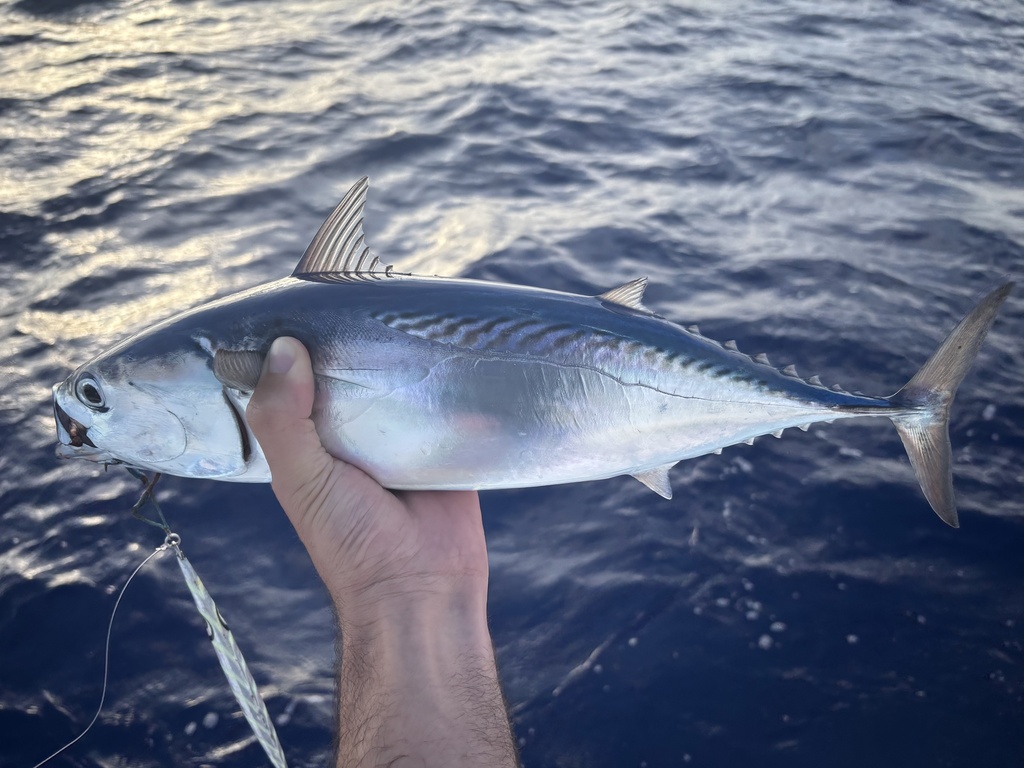
Frigate tuna
Frigate tuna is a small, schooling scombrid of warm Atlantic, Mediterranean, Indian and western-central Pacific waters. It reaches 65 cm and 1.7 kg, feeds on crustaceans, fish and zooplankton, and stays in water around 27 to 28 °C. Trolling or jigging is the usual approach, and fish are present year-round.
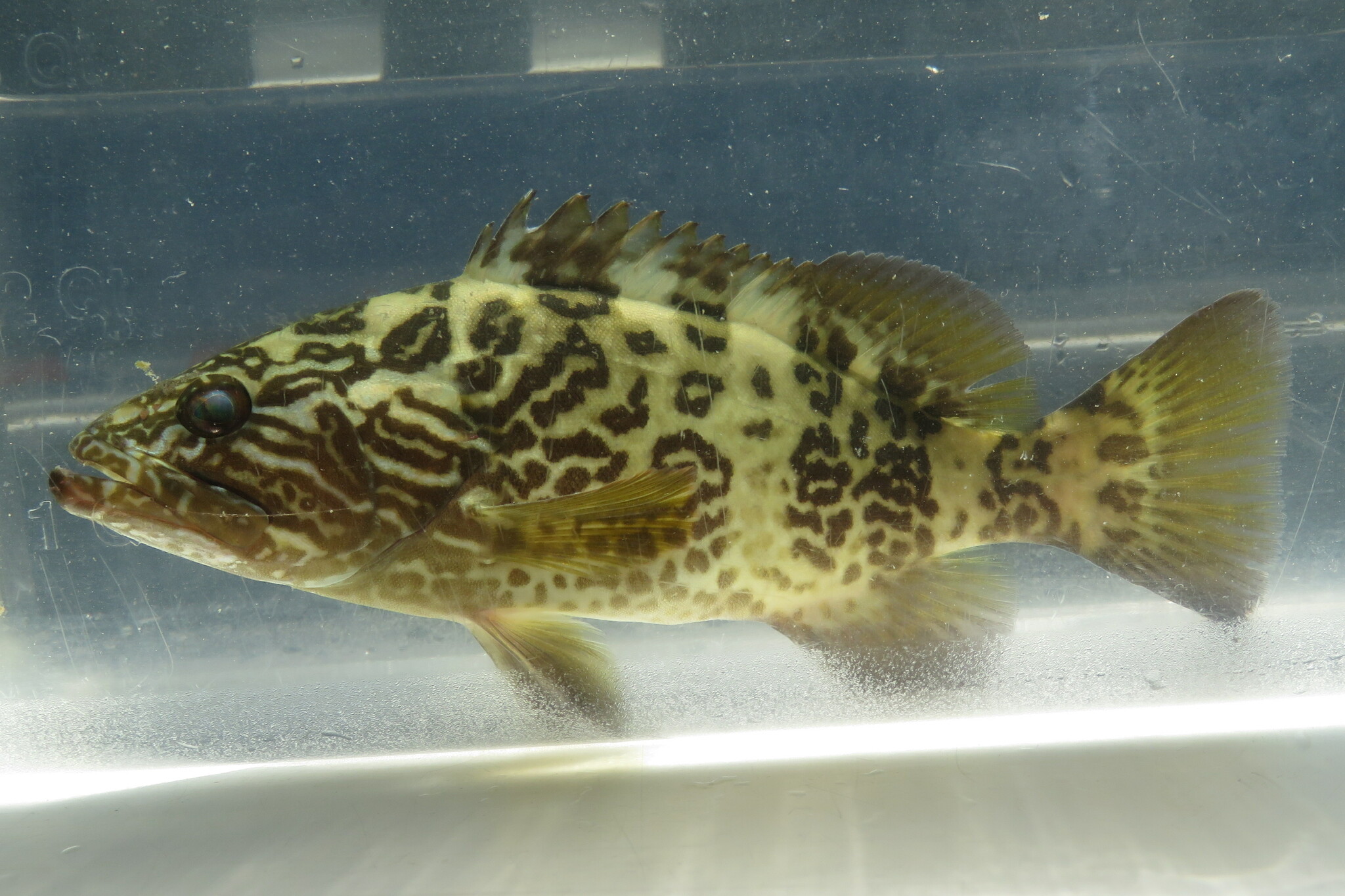
Gag
Gag grouper is a deep-shelf fish, mostly taken between 30 and 160 m, so the decisive piece of kit is not the rod but the release: a descending device for fish hooked deep, because one returned at the surface may not survive. The 63 cm spawning threshold is the biological release line, and the 2 August to 30 April closure is one jurisdiction's rule, not a range-wide spawning season.

Galjoen
Galjoen is the national fish of South Africa, running from southern Angola to Natal. It is not a kob, a seabream or a sparid but the sole member of its own family, Dichistiidae. It reaches 80 cm TL and 6.5 kg and matures at 34 cm. It has never been assessed by IUCN. Shore fishing, rock fishing and boat bottom fishing are the methods listed, and the depth given is simply 10 m or deeper.
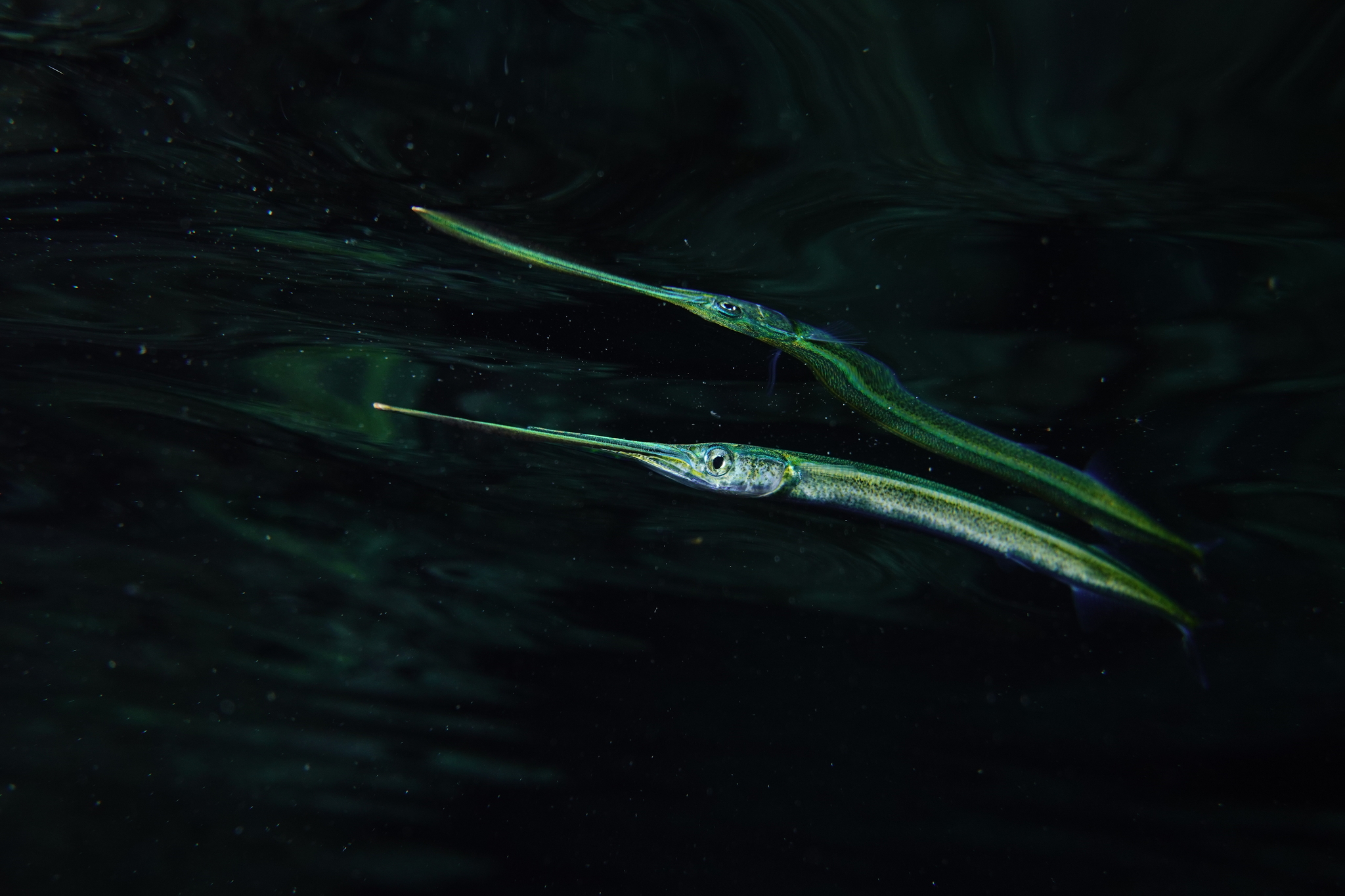
Garfish
Garfish is a slender fish of the eastern Atlantic and Mediterranean, living from 2 to 22 m in temperate water. It reaches 104 cm and 1.4 kg and feeds on fish. Shore casting or float fishing is the usual approach, and the season runs February to September.

Geelbek
Geelbek is a large sciaenid of the western Indian Ocean, recorded off Mozambique and South Africa between 14 degrees north and 28 degrees south. It works 15 to 200 m, usually 100 to 200, in tropical water. It reaches 130 cm TL with a common length of 90 cm, publishes at 25 kg and matures around 65 cm. IUCN assessed it as Near Threatened in September 2018, and boat bottom fishing and jigging are the methods listed.
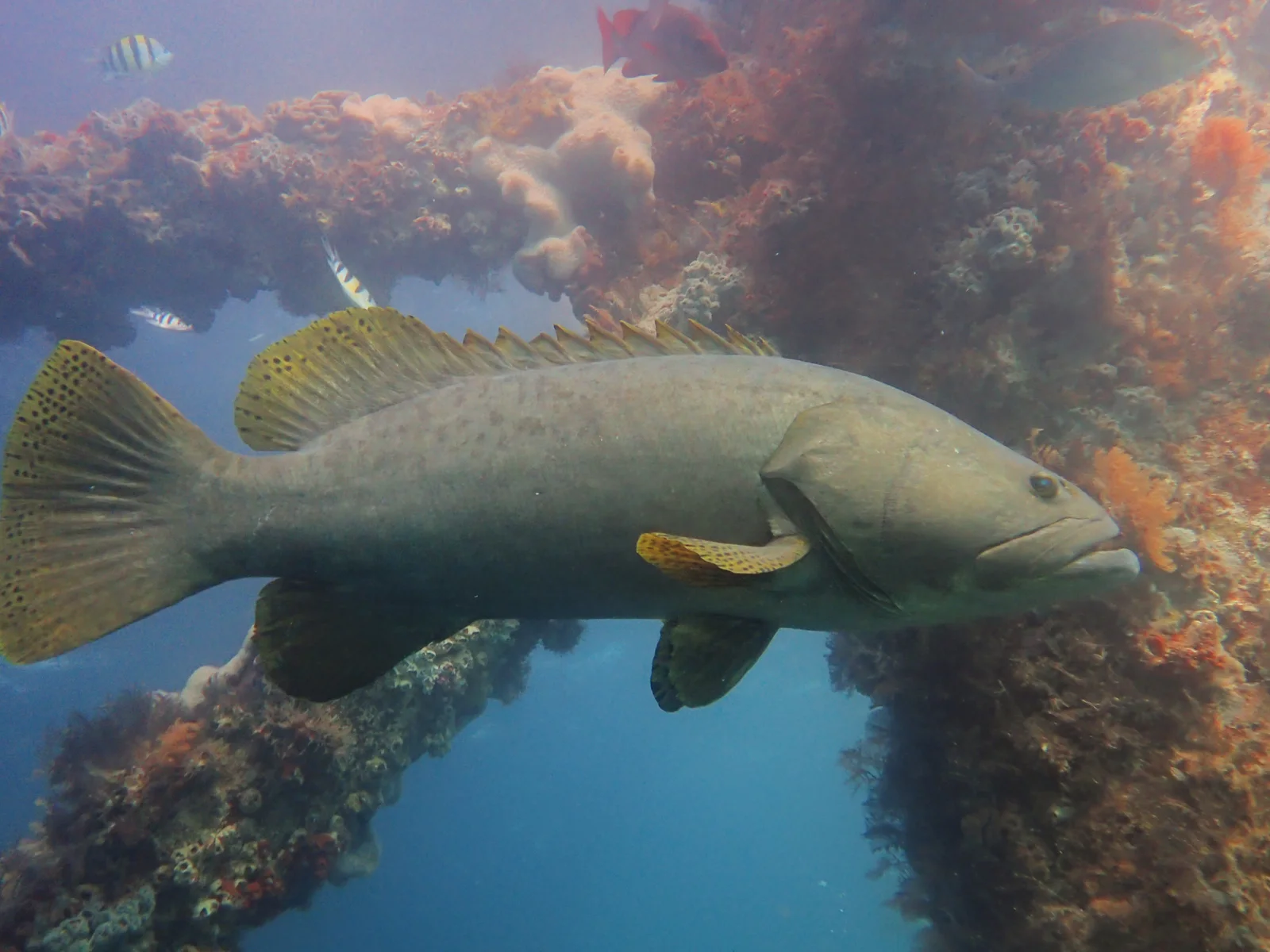
Giant grouper
Giant grouper is the largest reef grouper of the Indo-Pacific, from the Red Sea and South Africa to Hawaii and Pitcairn, southern Japan and Australia. It lives from 1 to 200 m in tropical water, reaches 270 cm and 400 kg, and feeds on crustaceans and fish. Heavy boat fishing or bottom fishing is the usual approach.

Giant trevally
Giant trevally is a large carangid of Indo-Pacific reefs, known to anglers as GT. FishBase gives 170 cm and 80 kg as the maximum but 100 cm as the common size, and the species carries a ciguatera warning. Lure fishing and trolling are the usual approach, with the season running April to November.
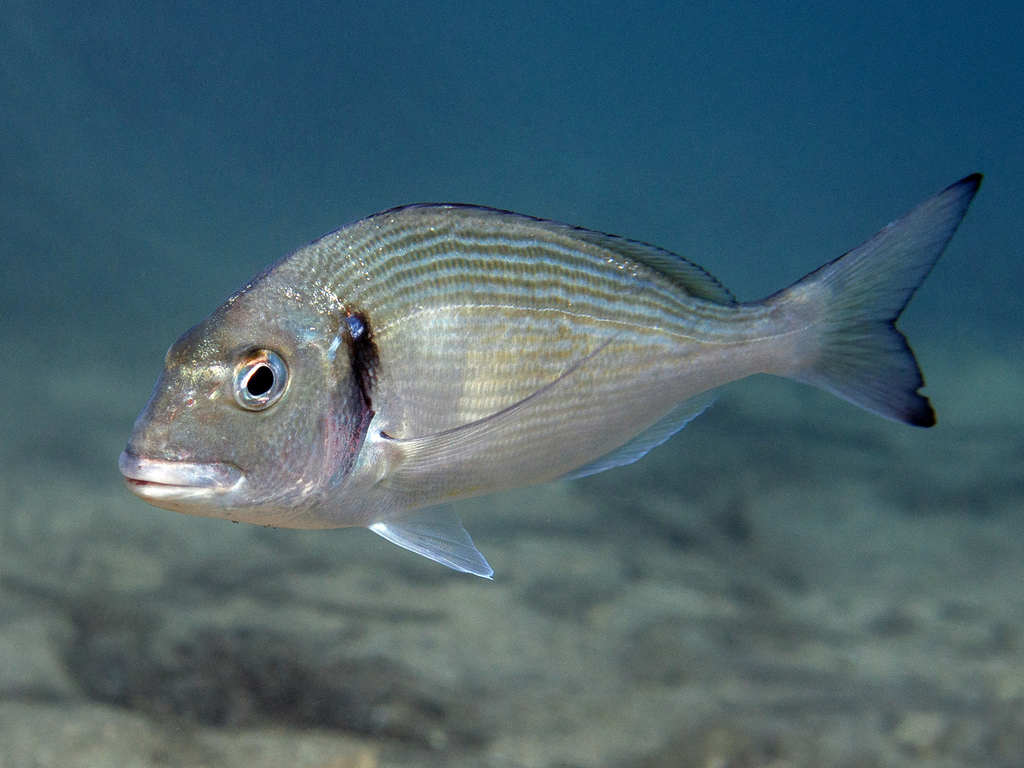
Gilthead seabream
Gilthead seabream is recorded across the Eastern Atlantic, from British Isles, Strait of Gibraltar to Cape Verde and around the Canary Islands, within the family Sparidae. It is caught from 1 to 150 m, in subtropical water. It tops out at 70 cm TL and 17.2 kg, on a diet of fishes. Anglers target it by shore casting or boat fishing. The season runs October to December.
Gindai
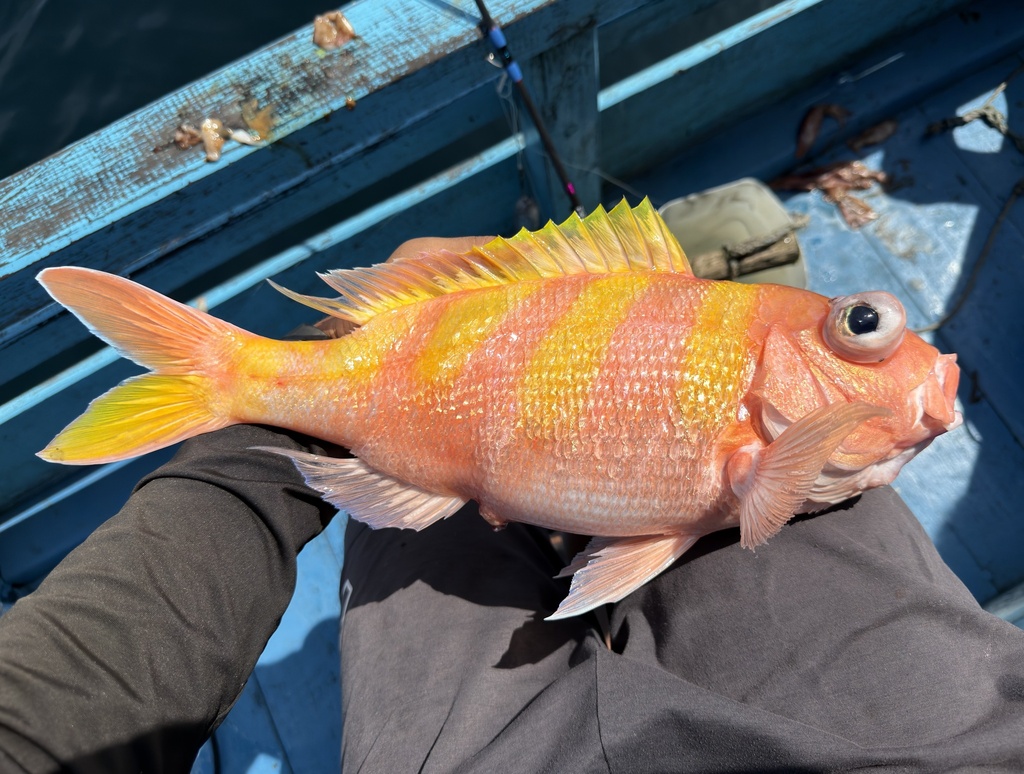
The body is pink or reddish with four oblique orange or yellow bars along the sides, and the dorsal and caudal fins are yellow. The colour is distinctive in the hand, but at depth the bars fade quickly, so identification should not rest on colour alone. The interorbital space is convex, the jaws are about equal or the lower jaw protrudes slightly, and the bases of the dorsal and anal fins carry no scales.
Girella leonina
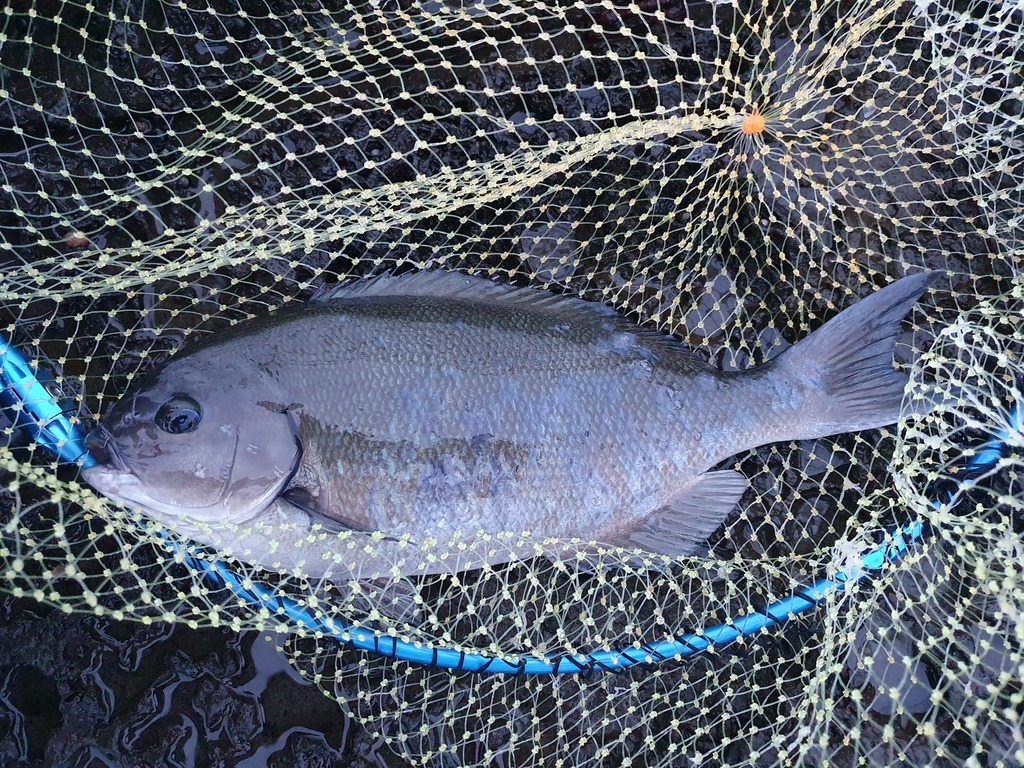
Girella leonina is a small, laterally compressed sea chub of shallow rocky ground in Japan and Korea, an adult fish of just 1 to 15 m in subtropical water. It reaches a maximum of 46 cm SL, with no weight, age or prey recorded for it. Its season here is brief, covering November and December.
Glasseye
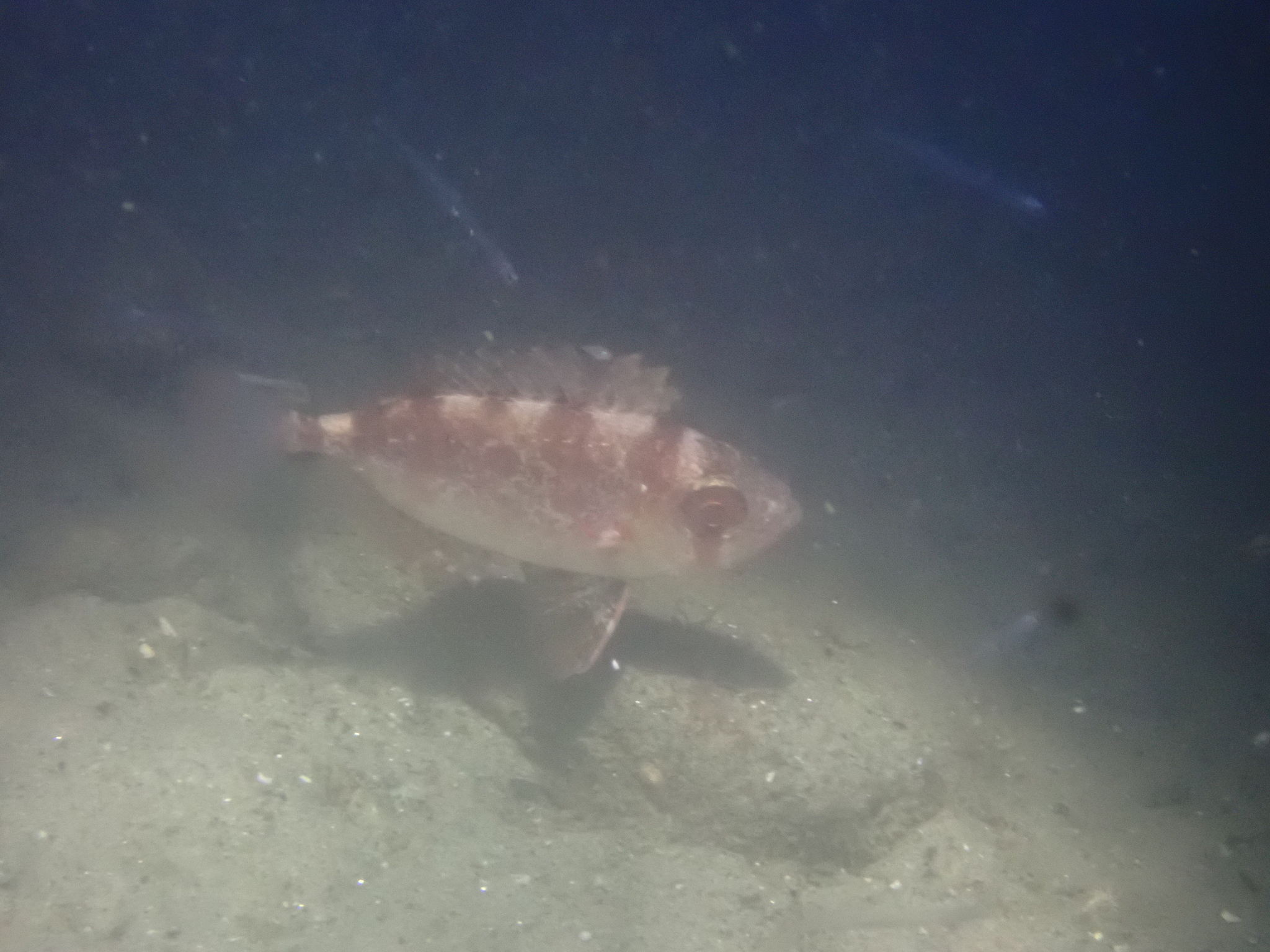
Start with the fin count: ten dorsal spines with 12 to 13 soft rays, three anal spines with 13 to 14 soft rays. Then colour, which in this genus is not a reliable field mark — silvery pink, mottled red and solid red all occur, with faint dark dots on the median fins. The pelvic fins are an useful exclusion: dusky or pale, but without distinct spots.
Gnomefish
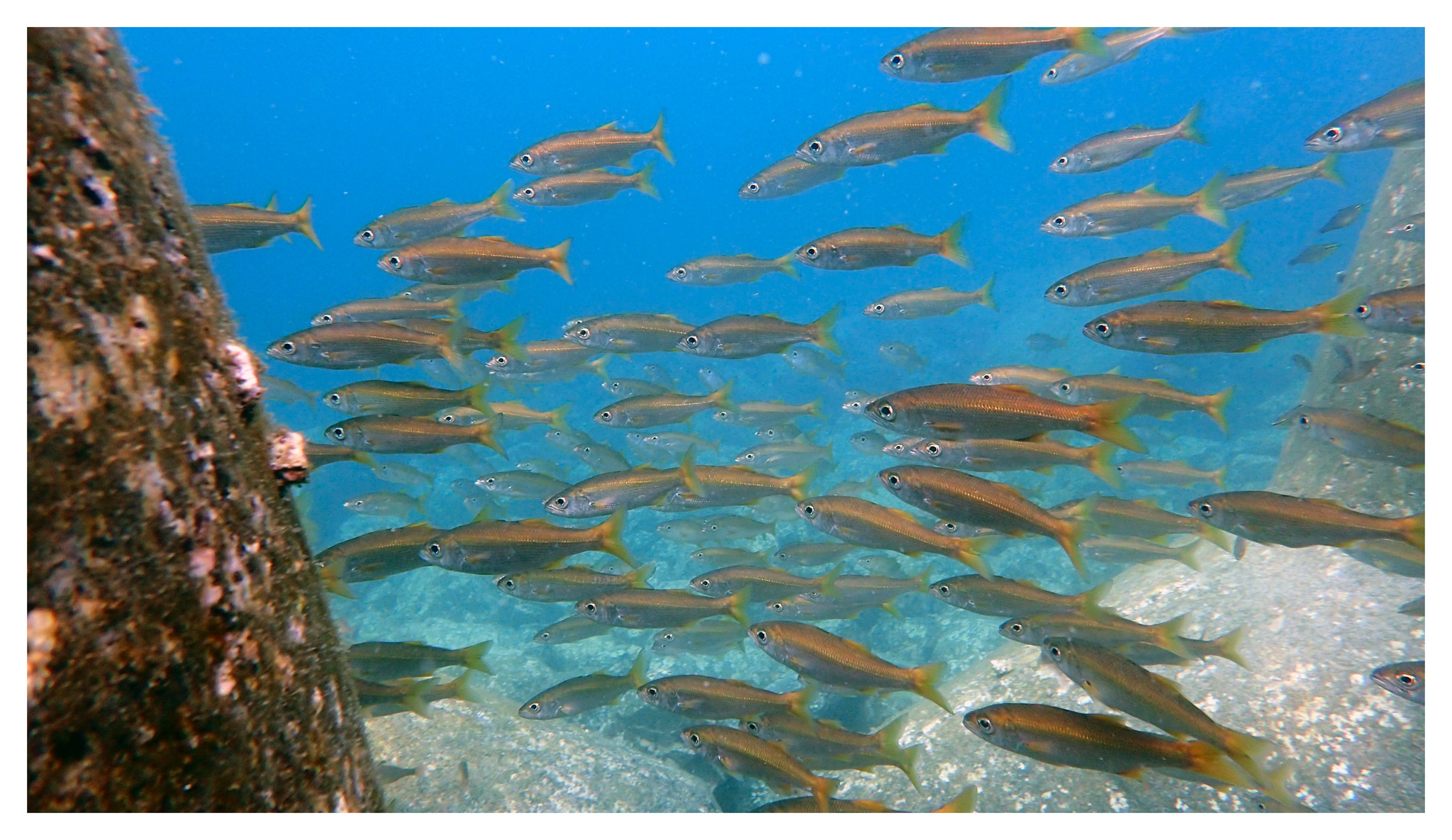
A large deep-water fish of the family Scombropidae, called mutsu in Japan. It has large eyes and a large mouth, adults live on rocky ground from 200 to 700 m, and juveniles stay on shallow reefs and in bays. It spawns from October to March and is a high-value fish for simmering and sashimi in Kanto.
Goete
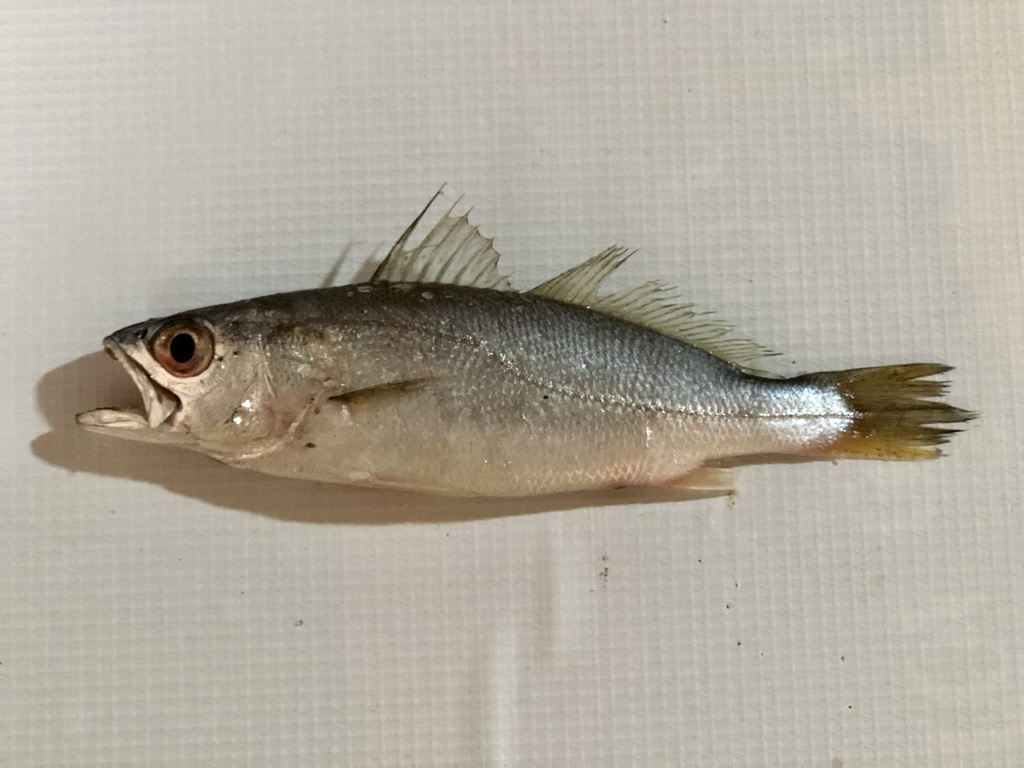
Goete is the Brazilian name for this western Atlantic sciaenid, recorded from Panama and the Greater Antilles down to Argentina. It reaches 56.9 cm TL with a common length of 35 cm and 2.2 kg, and matures at 25.1 cm. Brazil sets a federal minimum of 16 cm, which is 9.1 cm below the maturity point. Boat bottom fishing and shore casting are the methods listed.
Gold-spot octopus
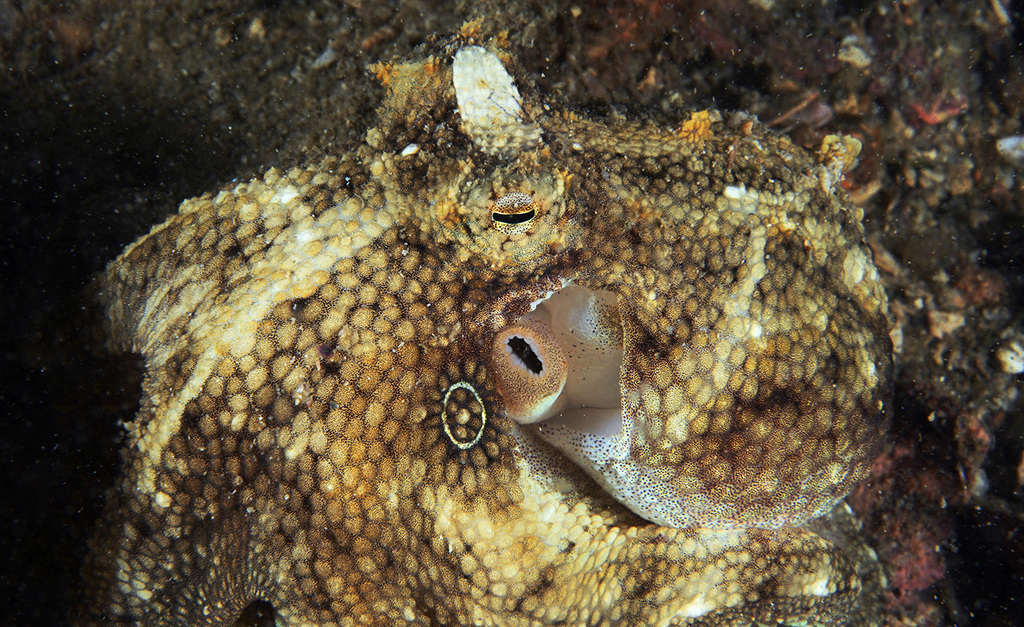
The gold-spot octopus belongs to Octopodidae. This record earns its keep through its omissions: the measured fields run out quickly, the descriptive fields are absent altogether, and the honest way to read it is to keep the blanks visible instead of filling them from the habits of better-known octopuses.
Goldband snapper
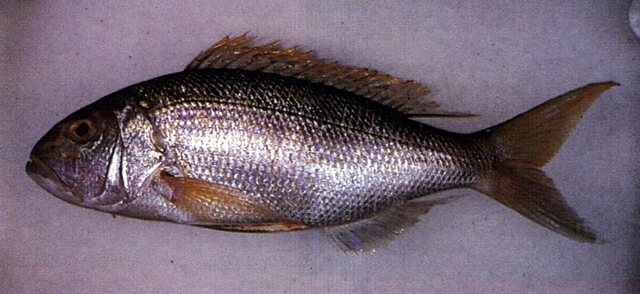
Goldband snapper, a member of the family Lutjanidae, is found across the Indo-Pacific, from East Africa and Red Sea to Samoa, and southern Japan southward to Australia. Its depth range is from 40 to 350 m, in tropical seas. It grows to 90 cm TL, with a diet of fishes. The usual approach is boat bottom fishing or slow pitch jigging. It is present year-round.
Goldblotch grouper
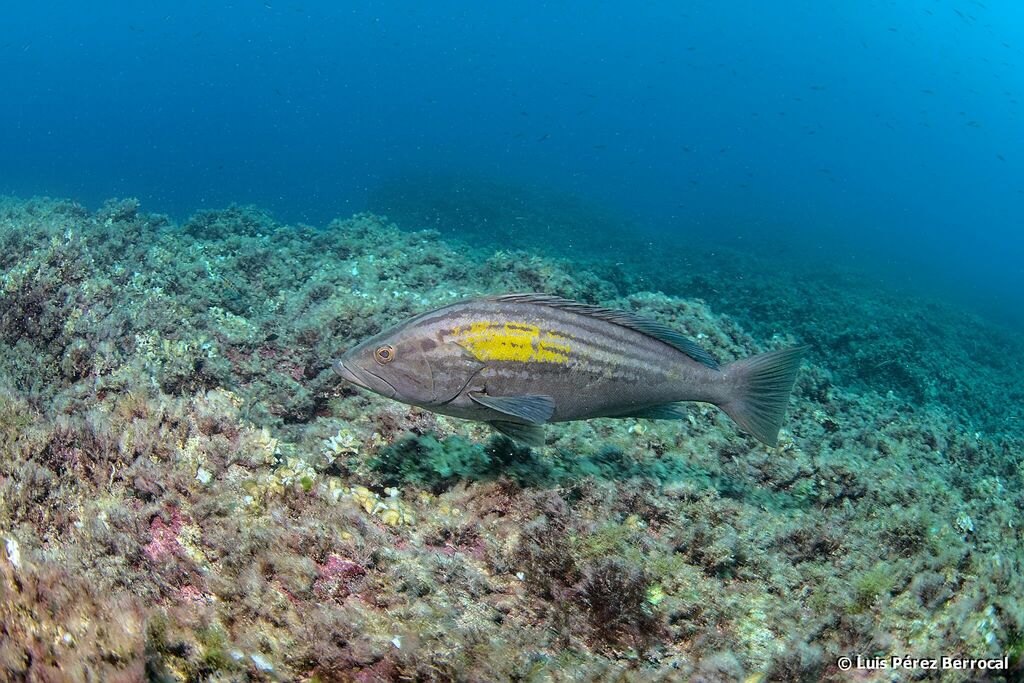
The environment line calls the fish demersal, the biology says sand, mud or rock bottoms, and the depth field gives 1–300 m, with normal occurrence at 4–160 m. None of these is a mistake; they are statements of different kinds, and the article is about what each one can and cannot tell an angler.
Golden cuttlefish
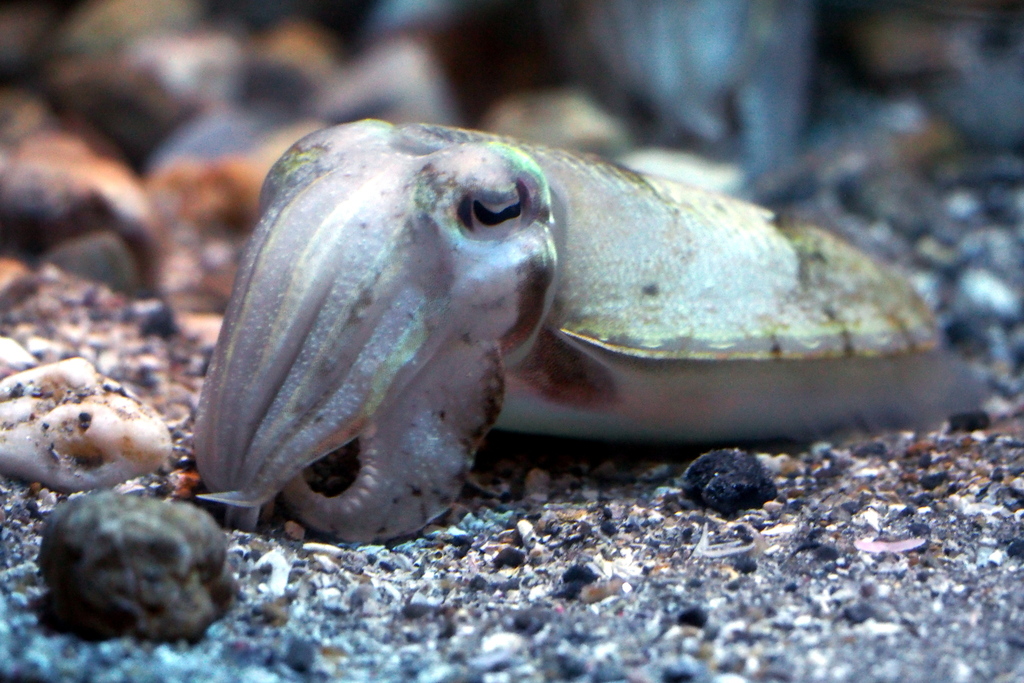
Golden cuttlefish is a medium-sized cuttlefish of the western Pacific, from the South and East China seas through Japan to the Philippines and Indonesia. It lives from 10 to 150 m in water of 15 to 25 °C, reaches 18 cm mantle length and 0.6 kg. Boat fishing, handline or trap fishing is the usual approach, with the season running February to June.
Golden grey mullet
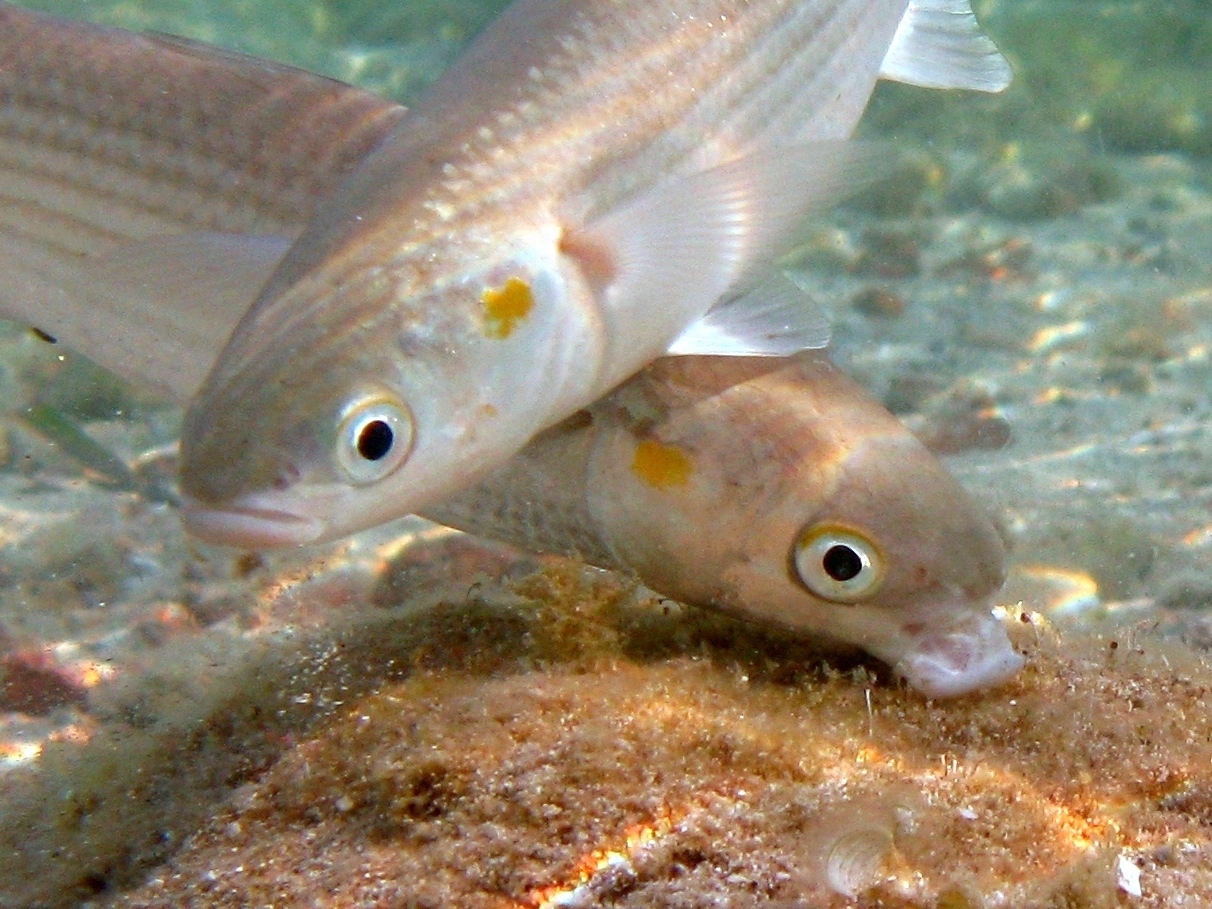
Golden grey mullet is a mugilid of the eastern Atlantic, from the British Isles, North Sea, Norwegian Sea and Barents Sea to West Africa and offshore islands including the Canaries. It lives from 10 to 20 m in temperate water, reaches 61 cm FL and 2.5 kg, and feeds on zooplankton and detritus. It is present for most of the year, with March the only gap.

Golden redfish
Golden redfish is a cold-water rockfish of the northeast Atlantic, from the Kattegat and North Sea north to Spitsbergen and the Barents Sea, east to the Kanin Banks and Novaya Zemlya, Iceland and eastern Greenland included. It is an orange-red fish with large eyes and a spiny skull, living from 100 to 1,000 m in water of 3 to 7 degrees C. Adults reach 100 cm TL and 15 kg and can live 60 years.
Golden threadfin bream
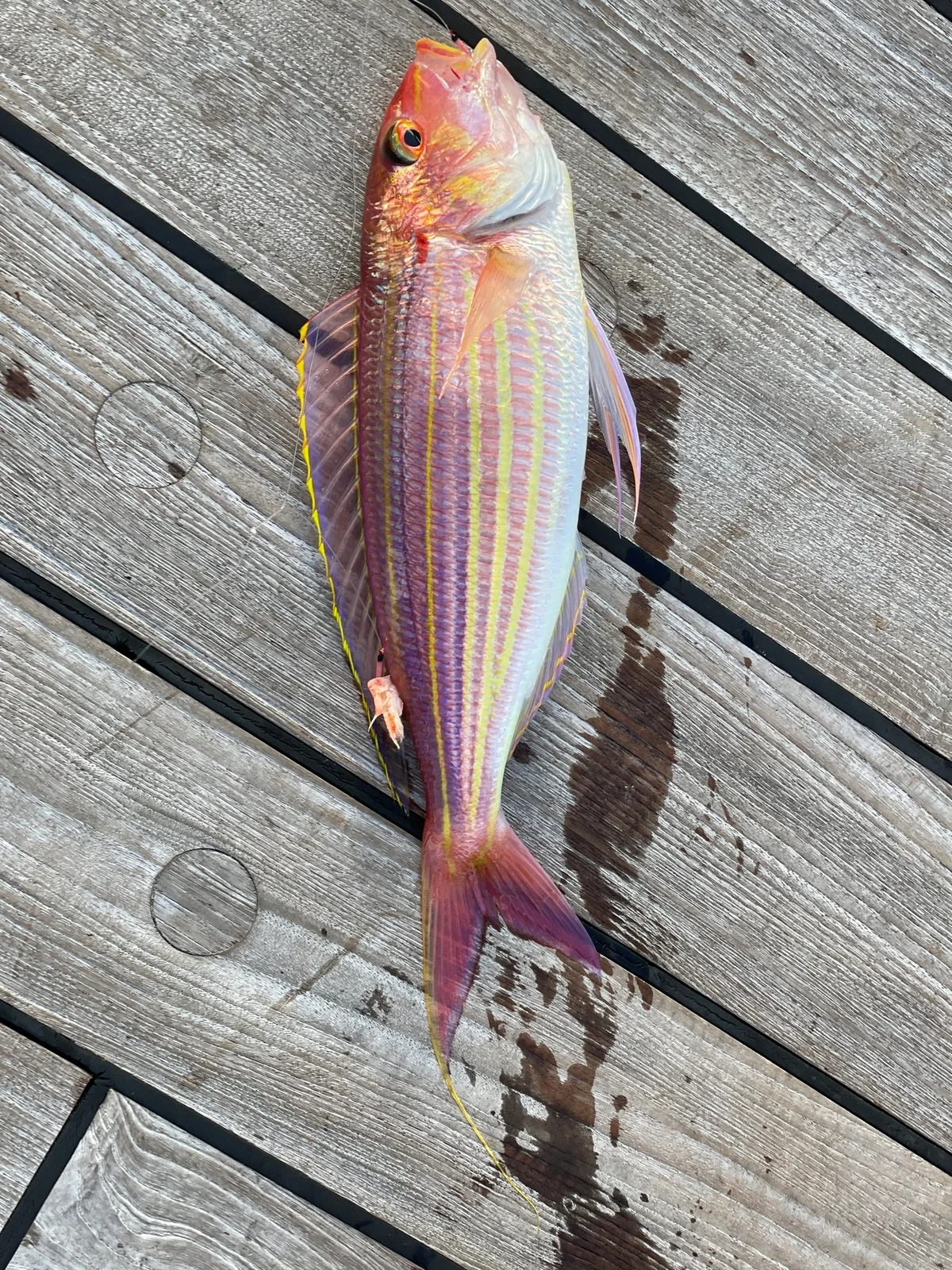
The golden threadfin bream is a pink-and-yellow shelf fish of the family Nemipteridae, named for the elongated upper ray of its tail fin. It is found across the western Pacific, between southern Japan and north-western Australia, including the Arafura Sea, usually over sand and mud in 18–33 m, though the recorded range extends from 1 to 220 m.

Golden tilefish
The golden tilefish is a large, deep-water tilefish of the western Atlantic. FishBase records a maximum length of 125 cm TL, a common length of 90 cm, a maximum published weight of 30 kg, a maximum reported age of 35 years and a length at first maturity of 42.2 cm. The distribution runs from Nova Scotia south along the U.
Golden trevally
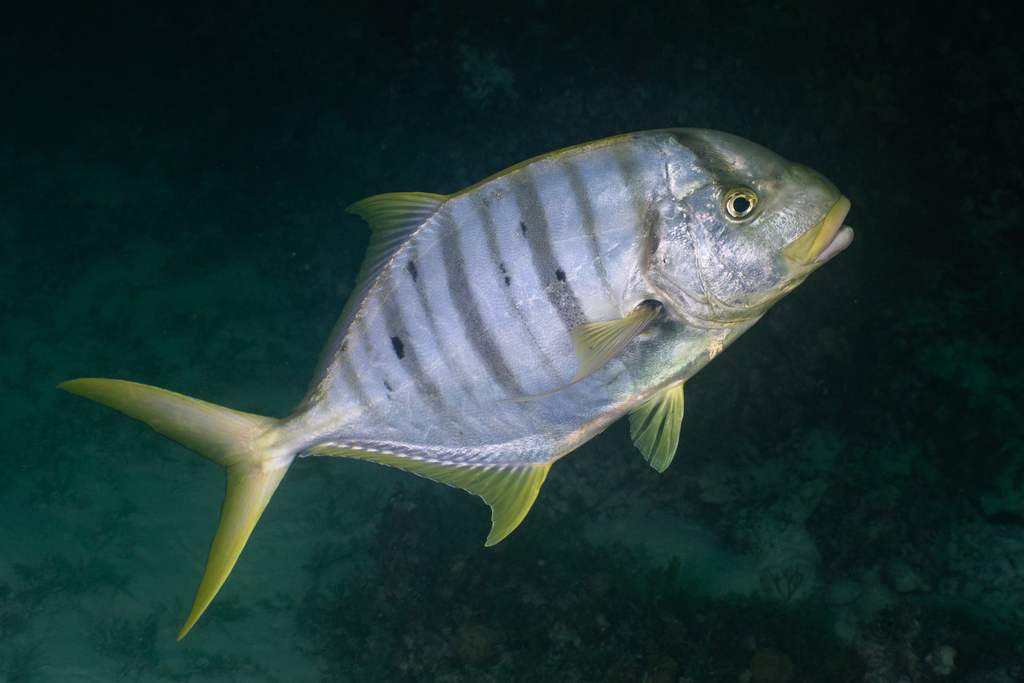
Golden trevally is a large, deep-bodied carangid of the Indo-Pacific, from KwaZulu-Natal and Japan across to Baja California and down to Ecuador. It is the only species in its genus, which helps explain its unusual build. It works the top 80 m of tropical water on a diet of crustaceans and small fish, and fish reach 120 cm TL and 15 kg.
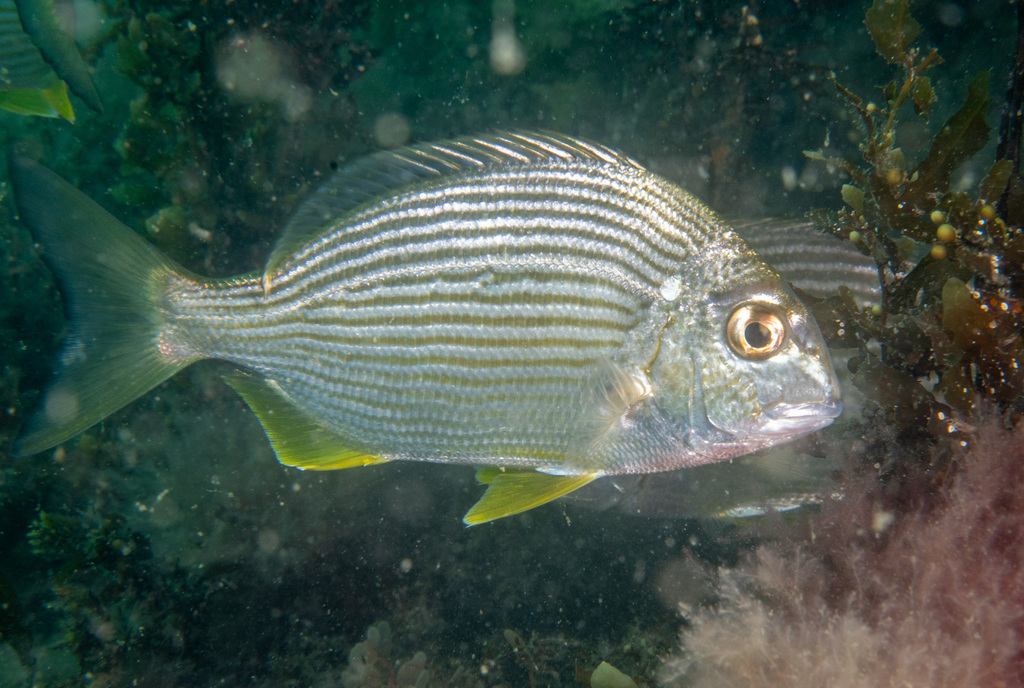
Goldlined seabream
Goldlined seabream, a member of the family Sparidae, is found across the Indo-West Pacific, from Red Sea and East Africa to Japan, China, and Australia. Its depth range is from 0 to 60 m, in tropical seas. It grows to 80 cm TL and 12 kg, with a diet of fishes. The standard approach is shore casting or boat fishing. It is present year-round.
Goldsinny-wrasse
The goldsinny-wrasse is a small labrid of the Northeast Atlantic, found from Norway south to Morocco, and also through the Mediterranean and the Black Sea. It stays shallow, normally between 1 and 20 metres over rocky ground, putting it within reach of shore anglers on foot. FishBase tags it as a gamefish and a subsistence catch; adults rarely exceed 18 cm, with 11 cm a more typical length.

Gopher rockfish
Gopher rockfish has 13 dorsal spines, 12–14 dorsal soft rays, 3 anal spines and 5–7 anal soft rays, with 26 vertebrae and 7 branchiostegal rays. The head carries strong spines and the caudal fin is rounded. Maximum total length is 39 cm, and maturity is reached near 17 cm. Colour is brown to pinkish brown with darker mottling, which separates it from the black-and-yellow rockfish at the same sites.
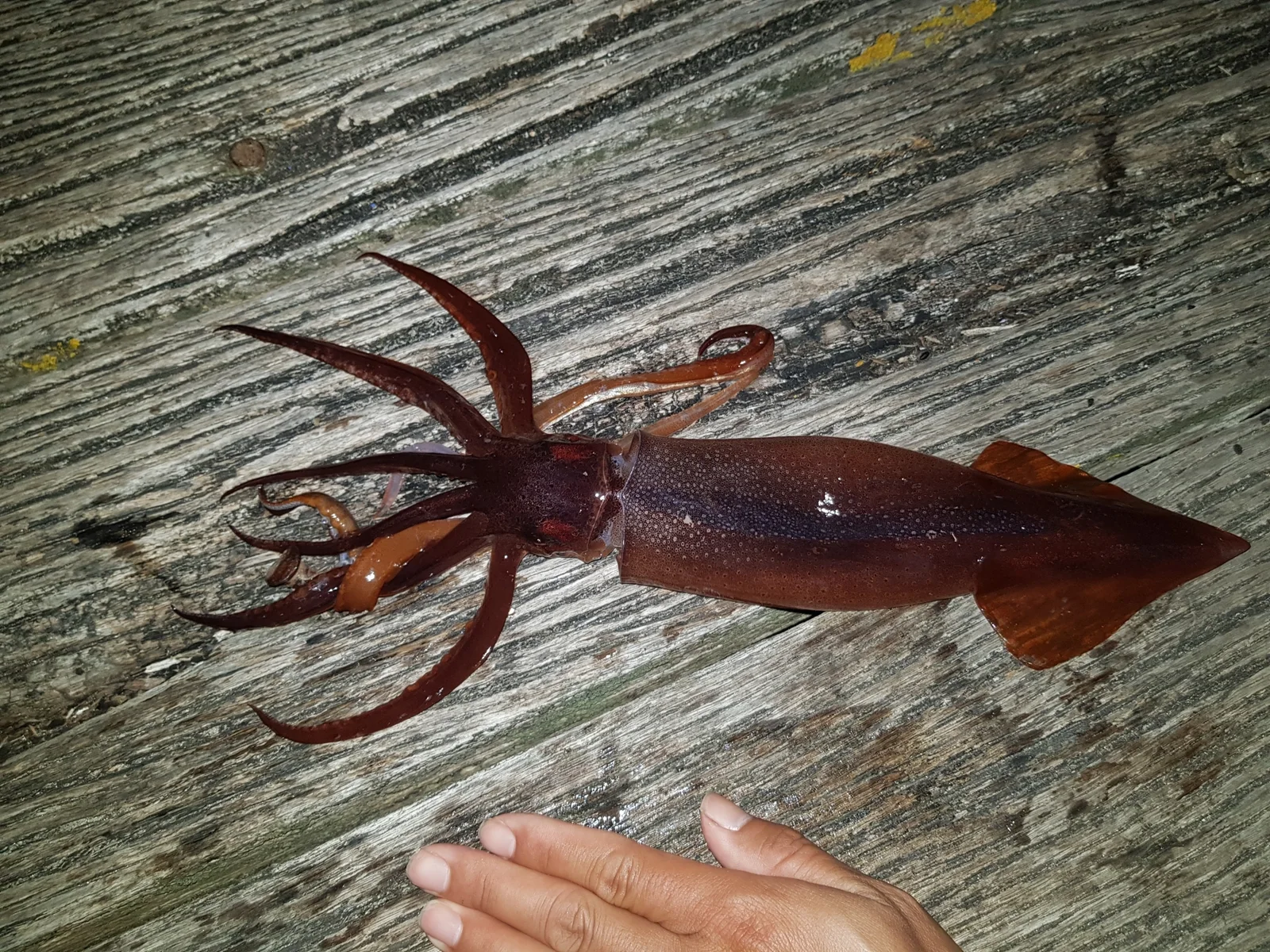
Gould's flying squid
This is an ommastrephid squid: family Ommastrephidae, order Oegopsida. The naming is the first thing to get straight, because four different labels are attached to this one animal in the sources checked here. The usual approach is boat fishing, trolling or handline.
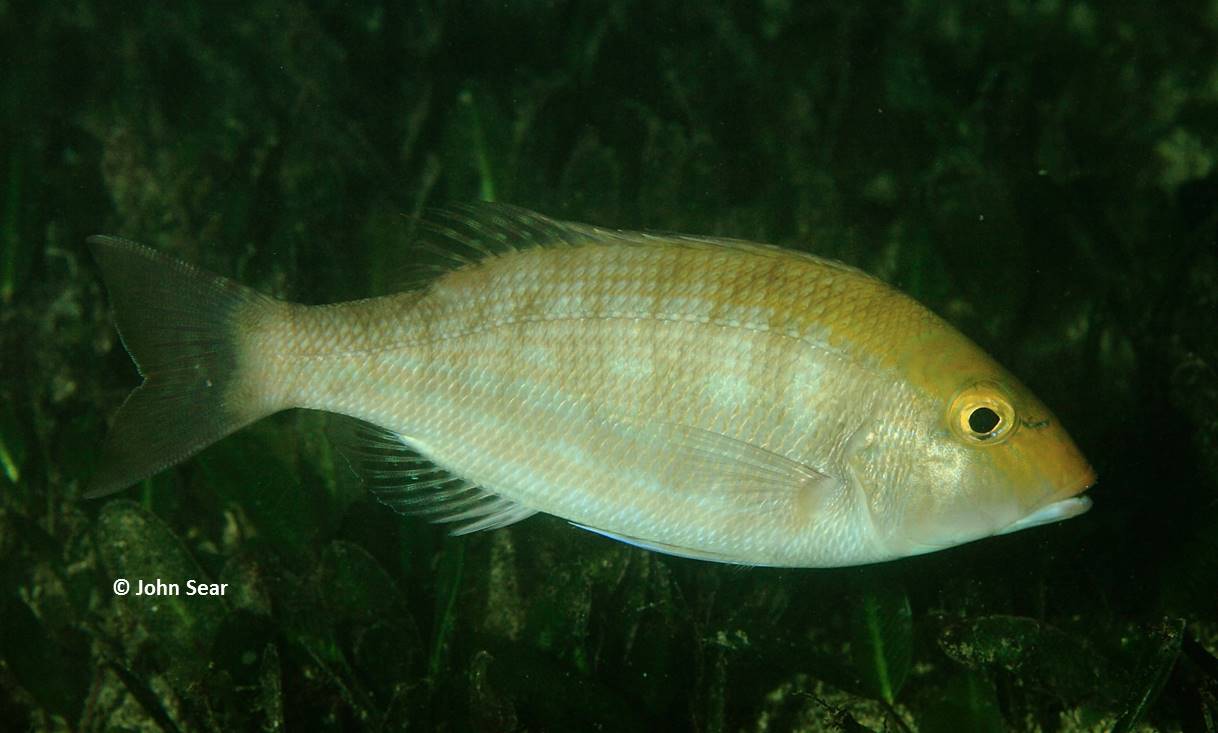
Grass emperor
Grass emperor is a fusiform, slightly oval lethrinid of the western Pacific, from southern Indonesia and northern Australia through Papua New Guinea to the Solomon Islands. It works shallow tropical reef between 5 and 35 m and feeds on crustaceans and small fish. Fish reach 56 cm TL.
Grass rockfish
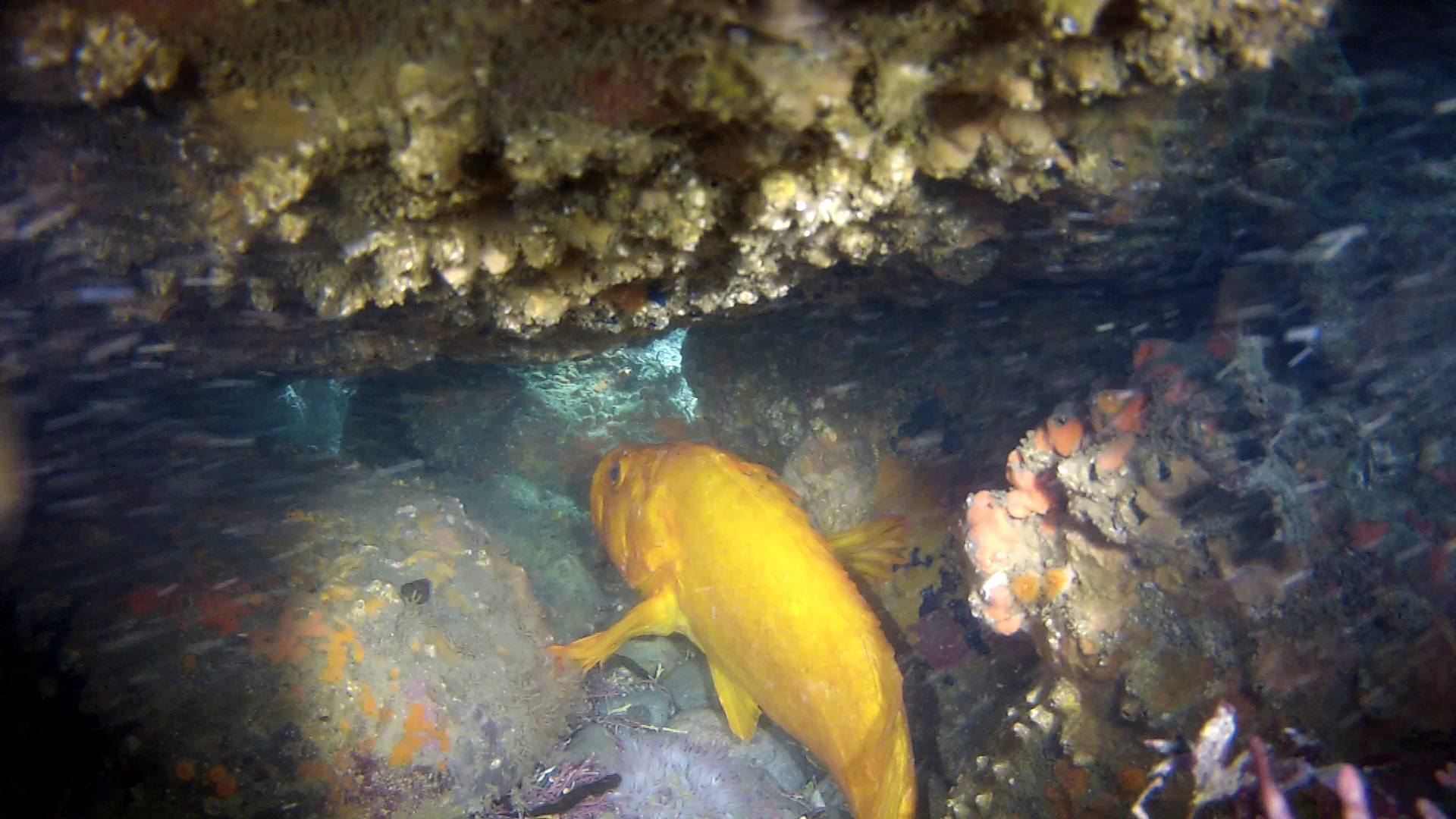
Grass rockfish has 13 dorsal spines, 12–14 dorsal soft rays, 3 anal spines and 6 anal soft rays, with 26 vertebrae and 7 branchiostegal rays. The body is fusiform with a fairly large mouth and moderate head spines. Colour is olive brown with fine mottling and a pale belly, without the broad dark bars of the treefish. Maximum total length is 56 cm, maturity is near 27.5 cm, and the recorded age is 28 years.

Gray snapper
Gray snapper is a lutjanid of the western Atlantic and Caribbean, from Massachusetts south through the Gulf of Mexico. It lives from 5 to 180 m in subtropical water, reaches 89 cm and 20 kg, and feeds on fish, molluscs and zooplankton. Boat bottom fishing is the usual approach, with the season running June to October.
Great barracuda
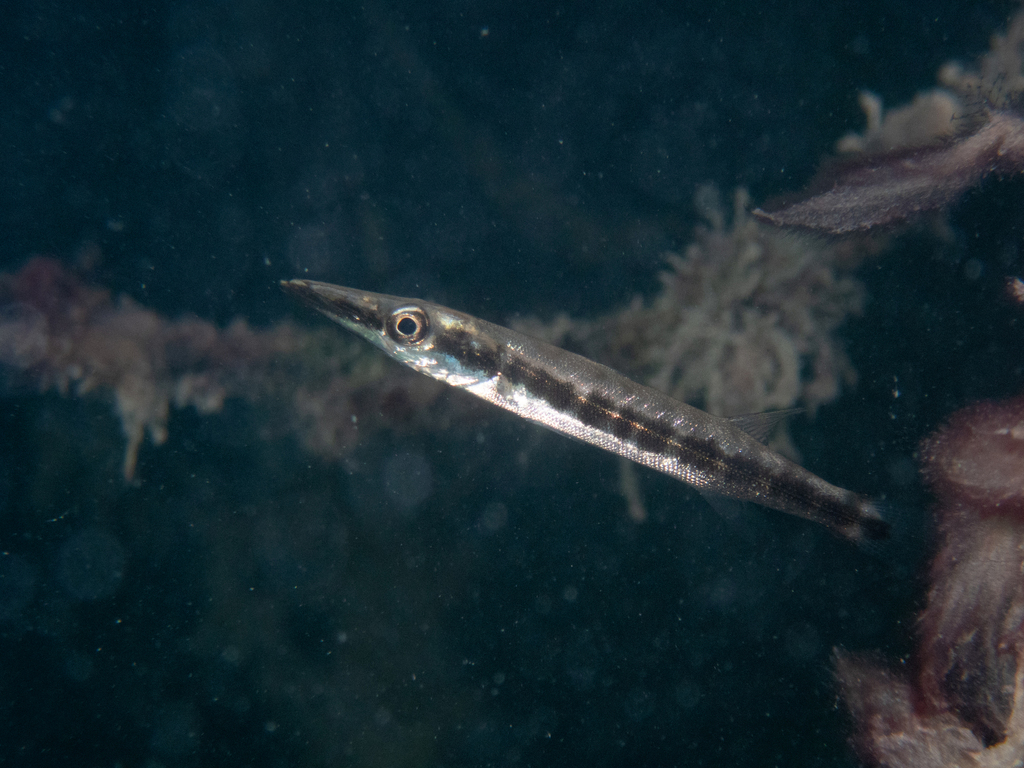
Great barracuda is the largest barracuda, a long, torpedo-shaped predator of the Indo-Pacific, from the Red Sea and East Africa to Hawaii, the Marquesas and Tuamotus. It lives from the surface to 100 m in subtropical water, reaches 200 cm TL and 50 kg, can live 18 years, and feeds on fish and molluscs. Trolling or lure fishing is the usual approach, with the season running January to February.
Great sandeel
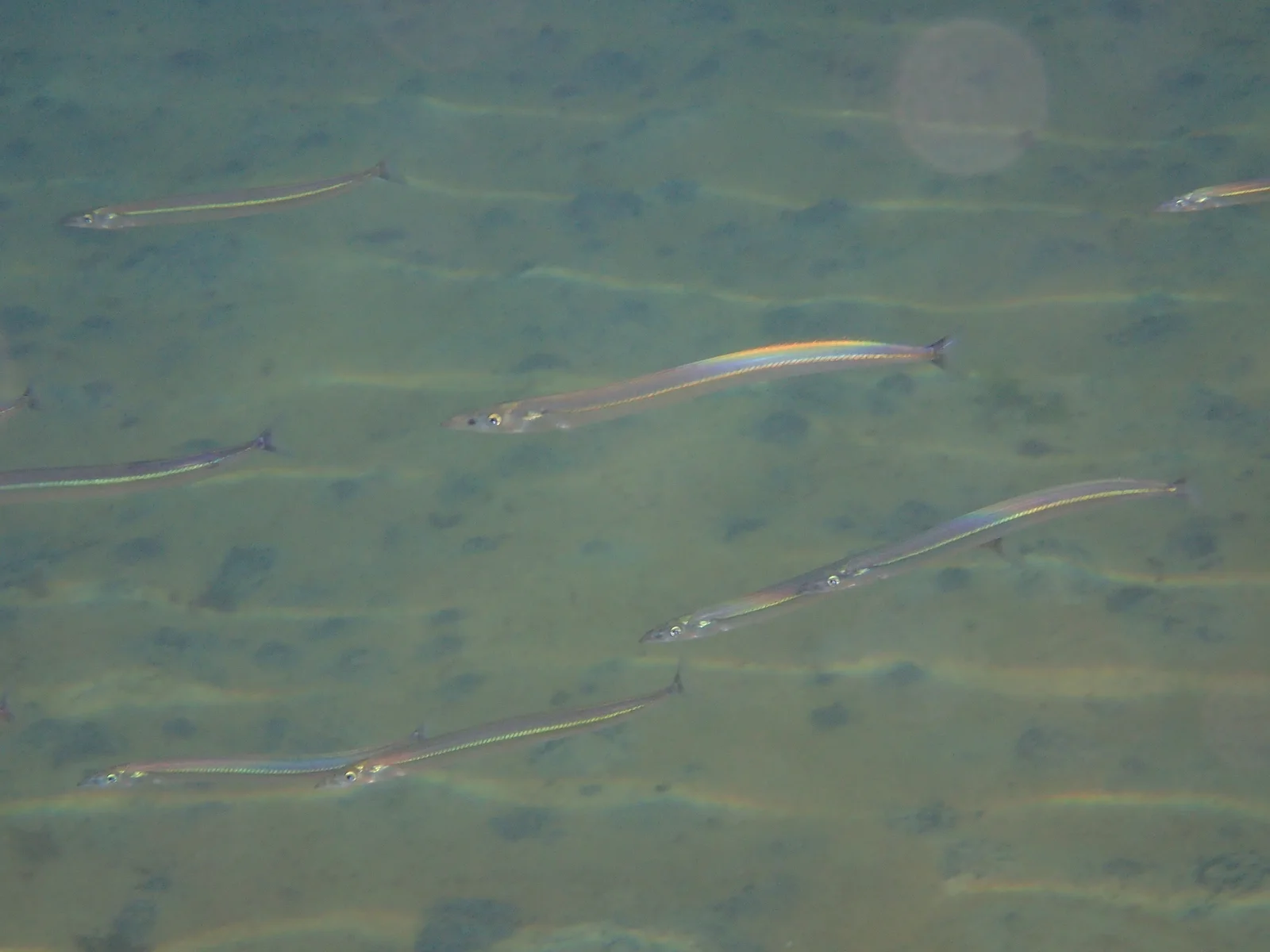
The great sandeel is one of the Ammodytidae, a demersal and brackish-tolerant fish of the northeast Atlantic that runs from Murman and Spitzbergen to Portugal, taking in Iceland and much of the Baltic. It stays within a 6–30 m coastal band and feeds on fishes and zooplankton.

Greater amberjack
Greater amberjack is a large carangid found circumglobally in warm seas, including the Mediterranean, both sides of the Atlantic and the Gulf and Caribbean. It lives from 1 to 385 m in subtropical water, reaches 190 cm TL and 80.6 kg, can live 15 years, and feeds on fish. Jigging or trolling is the usual approach, with the season running February to July.

Greater argentine
Greater argentine is a small, silvery deep-water fish of the eastern and western Atlantic, from Svalbard and the Scottish and Irish slopes across the Wyville Thomson Ridge to the Denmark Strait. It is caught between 55 and 1,440 m, reaches 70 cm, feeds on fish, zooplankton and worms, and can live 35 years. The season runs March to June.
Greater forkbeard
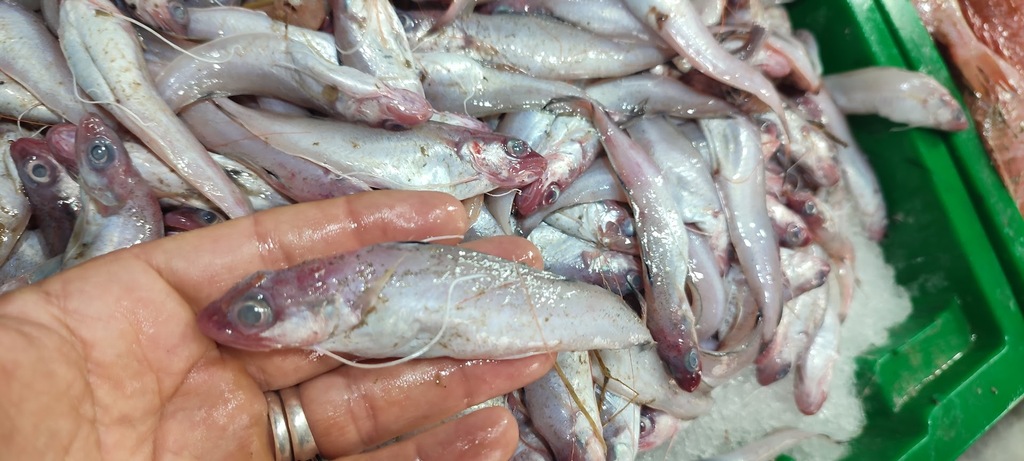
By day it sits in a hole on the slope, and after dark it comes out to hunt. Fishing for the greater forkbeard is less about chasing fish than about putting a bait at the mouth of the hole and waiting for the light to go; that single behaviour explains more than any change of bait.
Greater pipefish
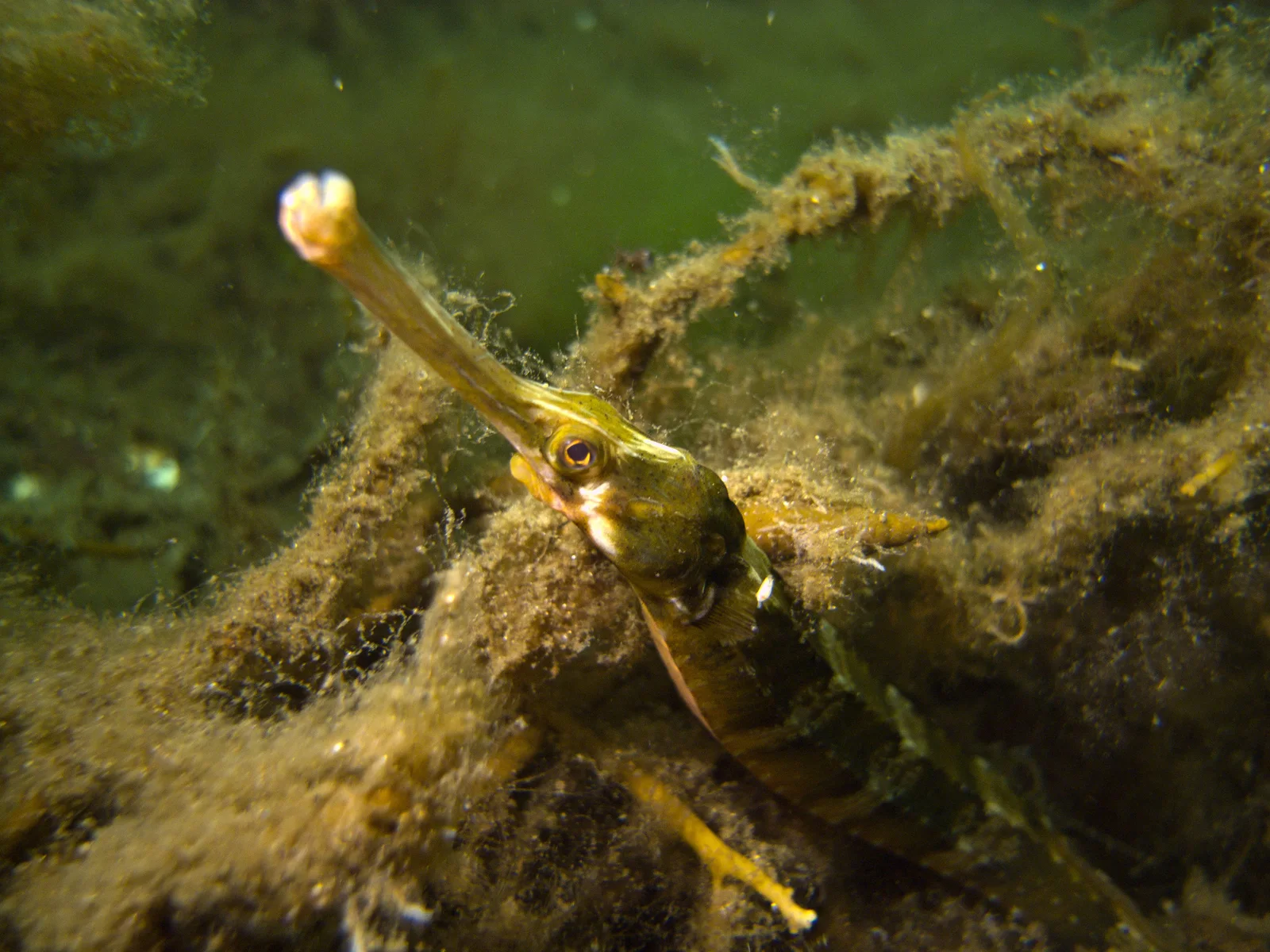
A long, slender fish of the pipefish and seahorse family, the greater pipefish is the type species of its genus. It ranges through the eastern Atlantic from Norway and the British Isles down to Western Sahara, entering the Mediterranean and Black Sea. Most records come from sand or mud in 3–15 m, although the species has been taken down to 110 m.

Greater weever
Greater weever is a slim, sand-dwelling trachinid of the eastern Atlantic and Mediterranean, from Norway down to Morocco, Madeira and the Canary Islands, and into the Black Sea. It spends much of the day buried in sand, recorded from 1 to 150 m in temperate water. It feeds on fish, reaches 53 cm TL and 1.9 kg.

Green jobfish
The most useful field mark sits on the snout: a very distinct horizontal groove runs below the nostrils, a feature the other jobfishes do not share. The body is elongate and robust, with bands of teeth in both jaws and strong canines at the front. Teeth also sit on the roof of the mouth, in a chevron or crescent patch on the vomer and in an elongate band on each palatine, which separates it from the fine-toothed lehi.
Green wrasse
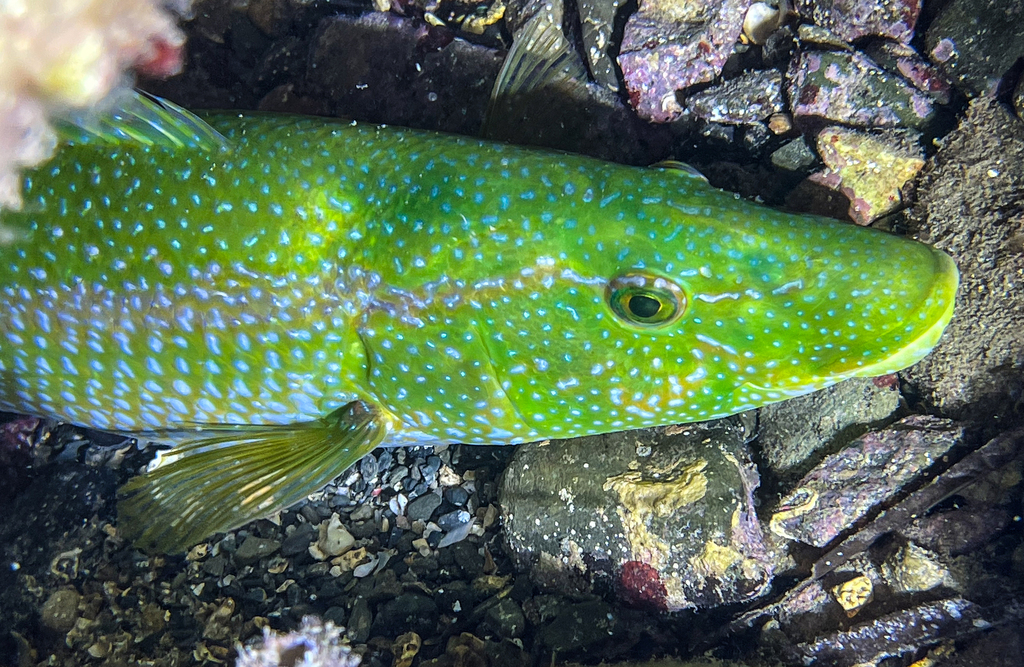
The green wrasse is the fish most often written off as just another wrasse: large, quietly coloured, not rare in catches, and listed as Vulnerable by IUCN. Males build dish-shaped nests and guard the eggs, which means a big fish taken in the breeding season costs more than one fish. Release is the recommendation here, and it is not the same thing as a legal ban.
Greenback flounder
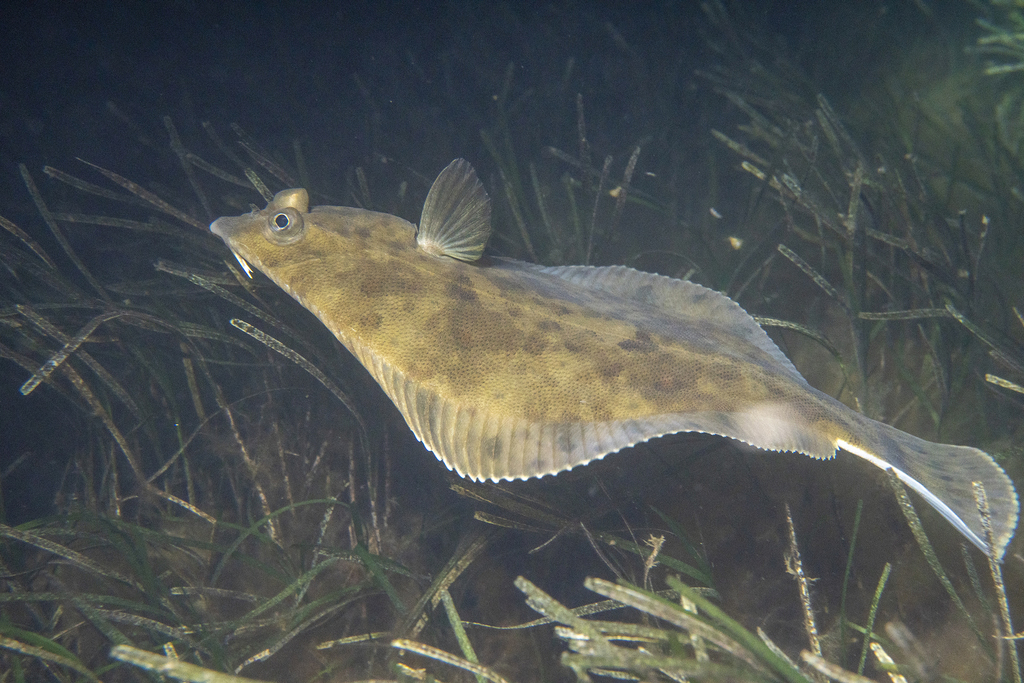
Greenback flounder is a flatfish of the eastern Indian Ocean and southwest Pacific, along southern Australia and New Zealand. It lives from the surface to 100 m in subtropical water and reaches 45 cm TL. Boat bottom fishing is the usual approach.
Greenland halibut
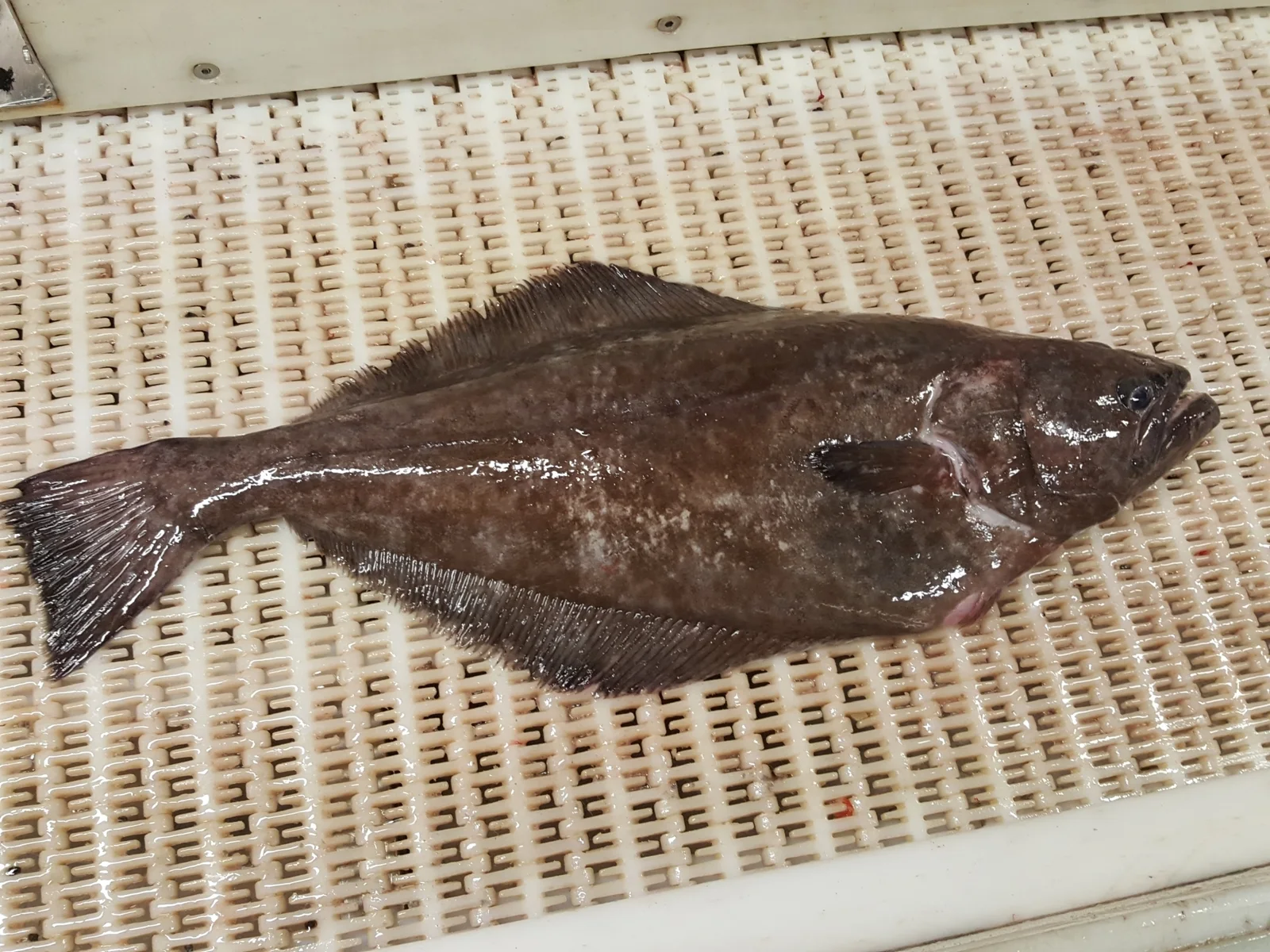
The Greenland halibut is a large flatfish of the family Pleuronectidae, a cold-water species of the northern Atlantic and Pacific. Its range is circumglobal in the northern hemisphere, from the Sea of Japan and the Aleutians to Baja California, and from New Jersey across to Spitsbergen and the Barents Sea. It lives benthopelagically, usually at 500–1000 m, and females grow to 130 cm against 110 cm for males.

Greenspotted rockfish
Greenspotted rockfish is a deep-water rockfish of the eastern Pacific, from Copalis Head in Washington to central Baja California. It lives from 49 to 201 m in subtropical water, reaches 50 cm TL and 1 kg, can live 33 years, and feeds on fish and zooplankton. Boat bottom fishing is the usual approach, with the season running April to September.
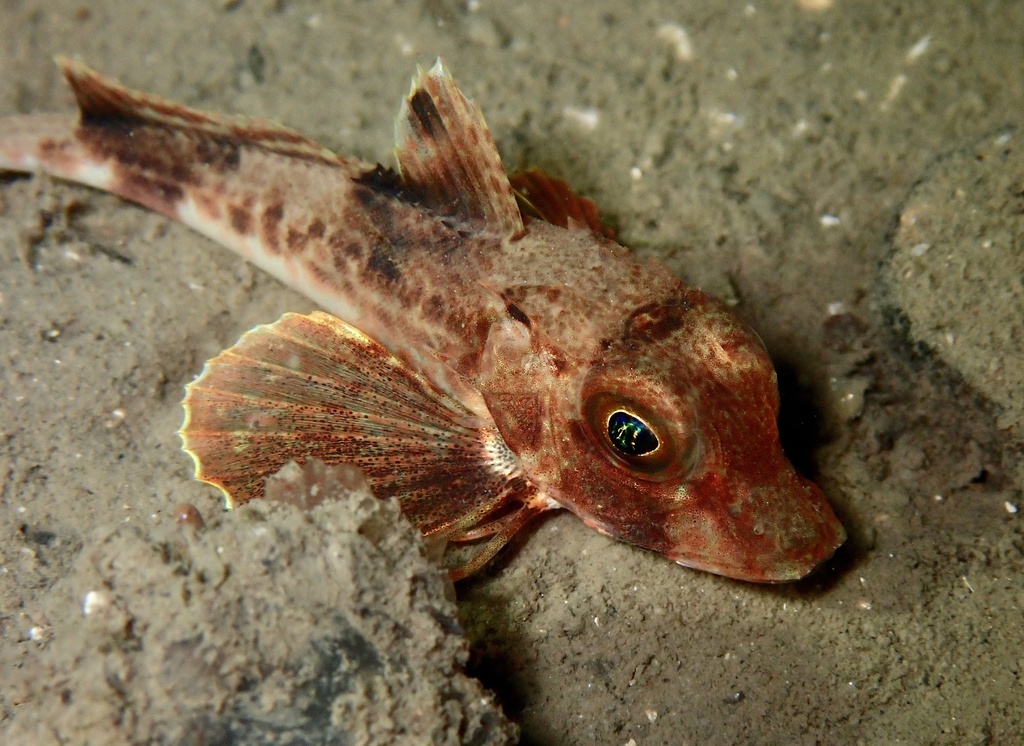
Grey gurnard
Grey gurnard is a bottom fish of the eastern Atlantic and Mediterranean, found from Norway and Iceland down to Morocco and Madeira. It works a wide band of shelf, from 10 m out to 340 m, and feeds on crustaceans and small fish. The largest recorded fish reached 60 cm TL and just under a kilo, and the season here runs February to August.
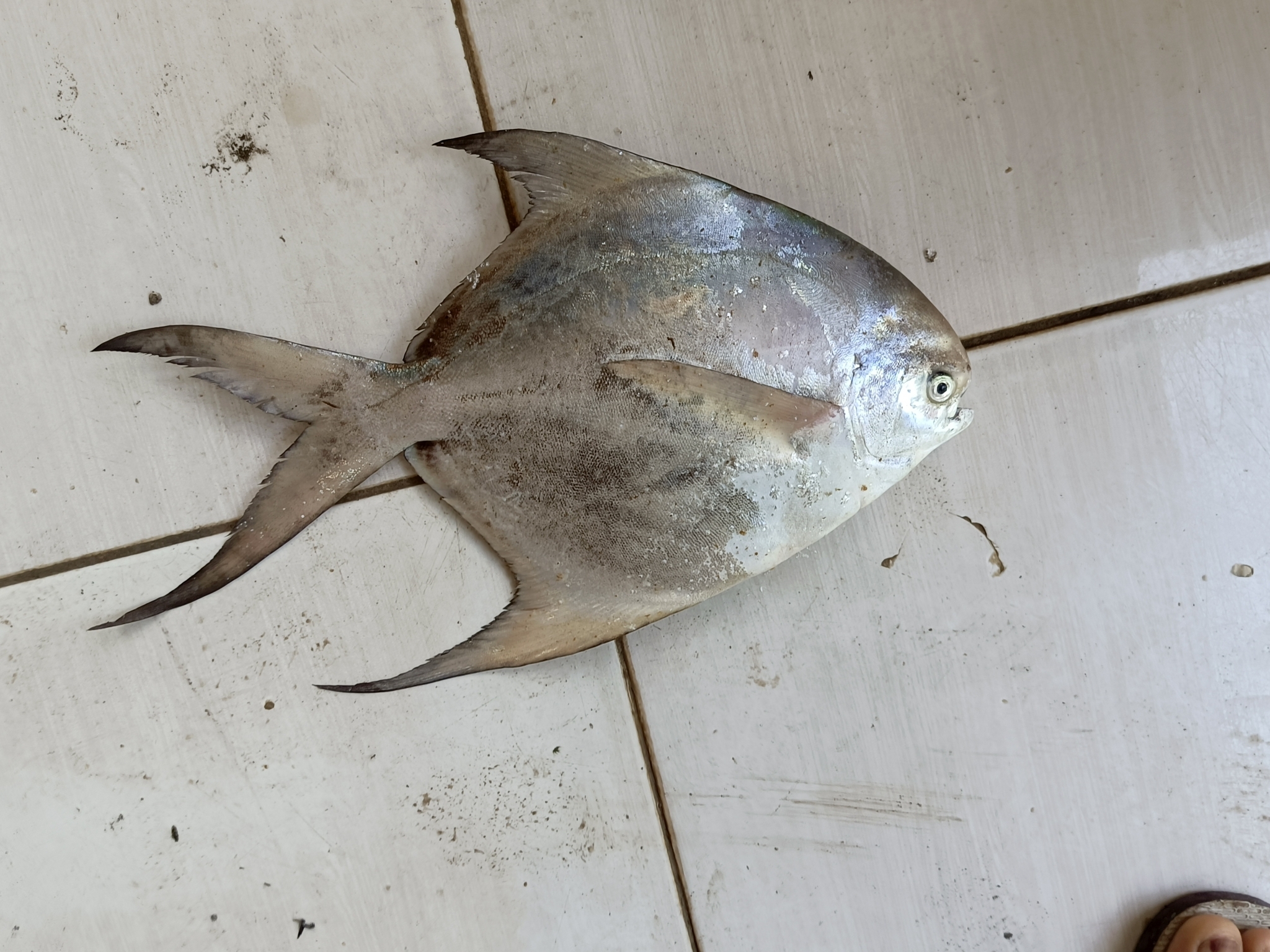
Grey pomfret
Grey pomfret is a small Indo-West Pacific pomfret, recorded to 15.9 cm, and it is a market fish far more than a sport fish. Coastal records run from India to Japan, but most of its biology is unstated in public databases. Boat bottom fishing and float fishing are the practical approaches, with small baits and light tackle.
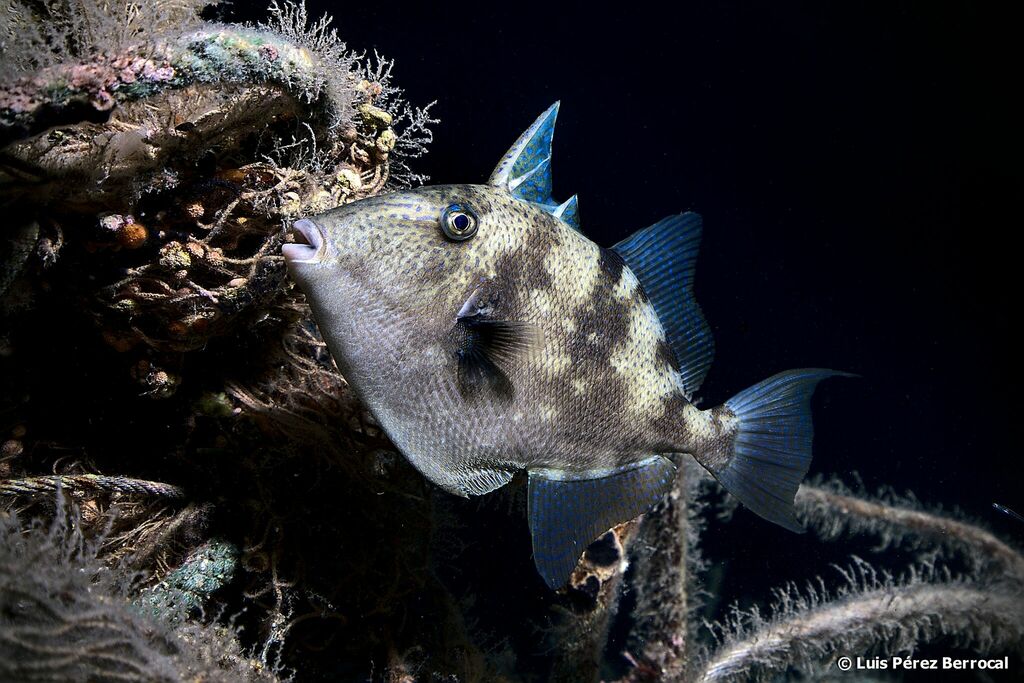
Grey triggerfish
The depth row carries two bands, not one: 0–100 m for the species and 0–55 m for the usual fish. This article hangs off the distance between them. Forty-five metres separate the top of the everyday range from the deepest record, and the useful question is what a triggerfish is doing inside that gap.
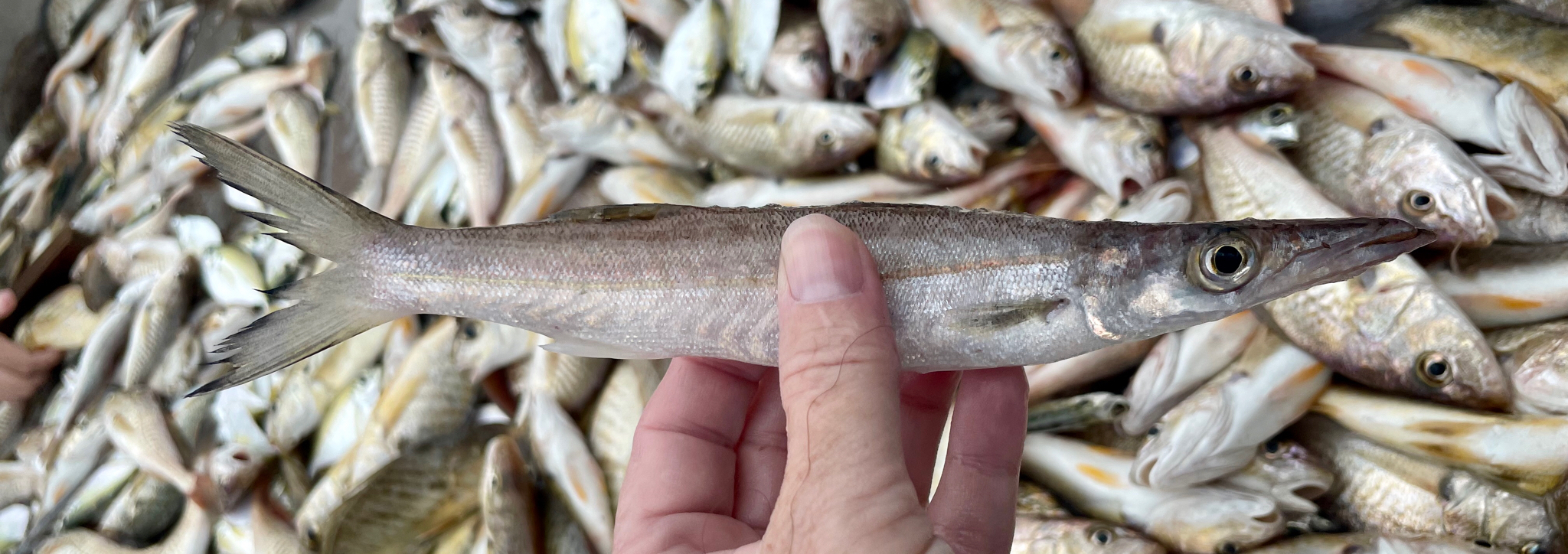
Guachanche barracuda
Guachanche barracuda is a schooling coastal sphyraenid from Massachusetts and the northern Gulf through the Caribbean to Brazil, and from Senegal to Angola in the east. It lives from the surface to 100 m over muddy bottoms and around estuaries, reaches a common 70 cm, and feeds on small fish and squid.
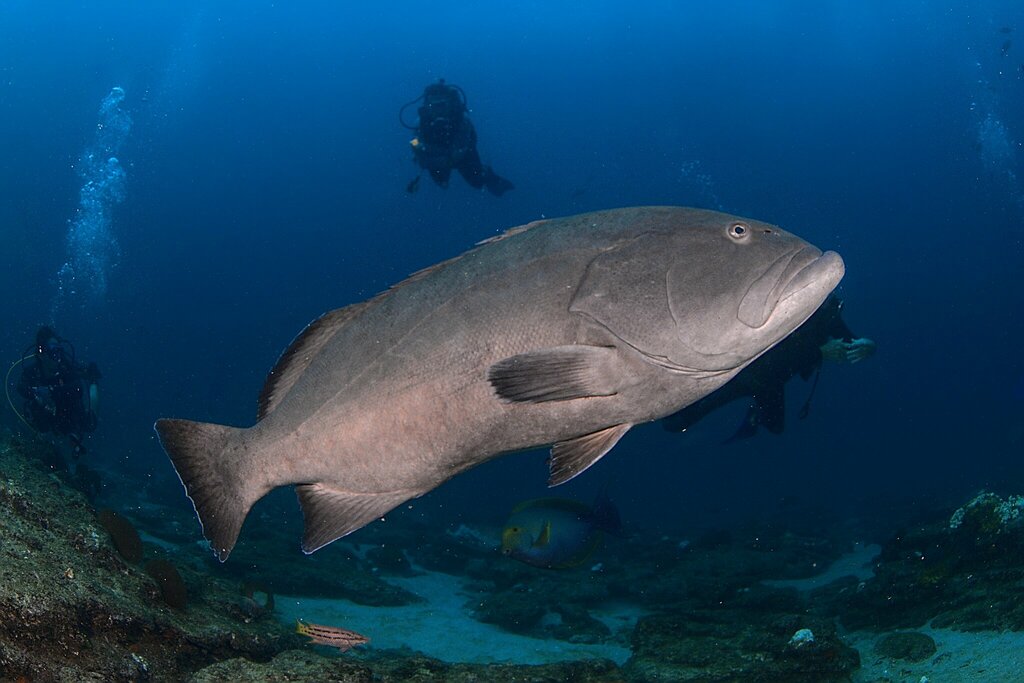
Gulf grouper
Gulf grouper is a large epinephelid of the eastern central Pacific, from La Jolla in California to Mazatlán in Mexico. It lives from 5 to 30 m in subtropical water, reaches 198 cm TL and 91 kg, and feeds on fish.
No fish match this water on this page. Clear the filter or choose another habitat.