
What fish are on your coast? — page 5 of 16
Choose the water you fish: shore, reef, surf or deep water. Then open a fish to see what it eats, when it comes in, and how to catch it.
Species records
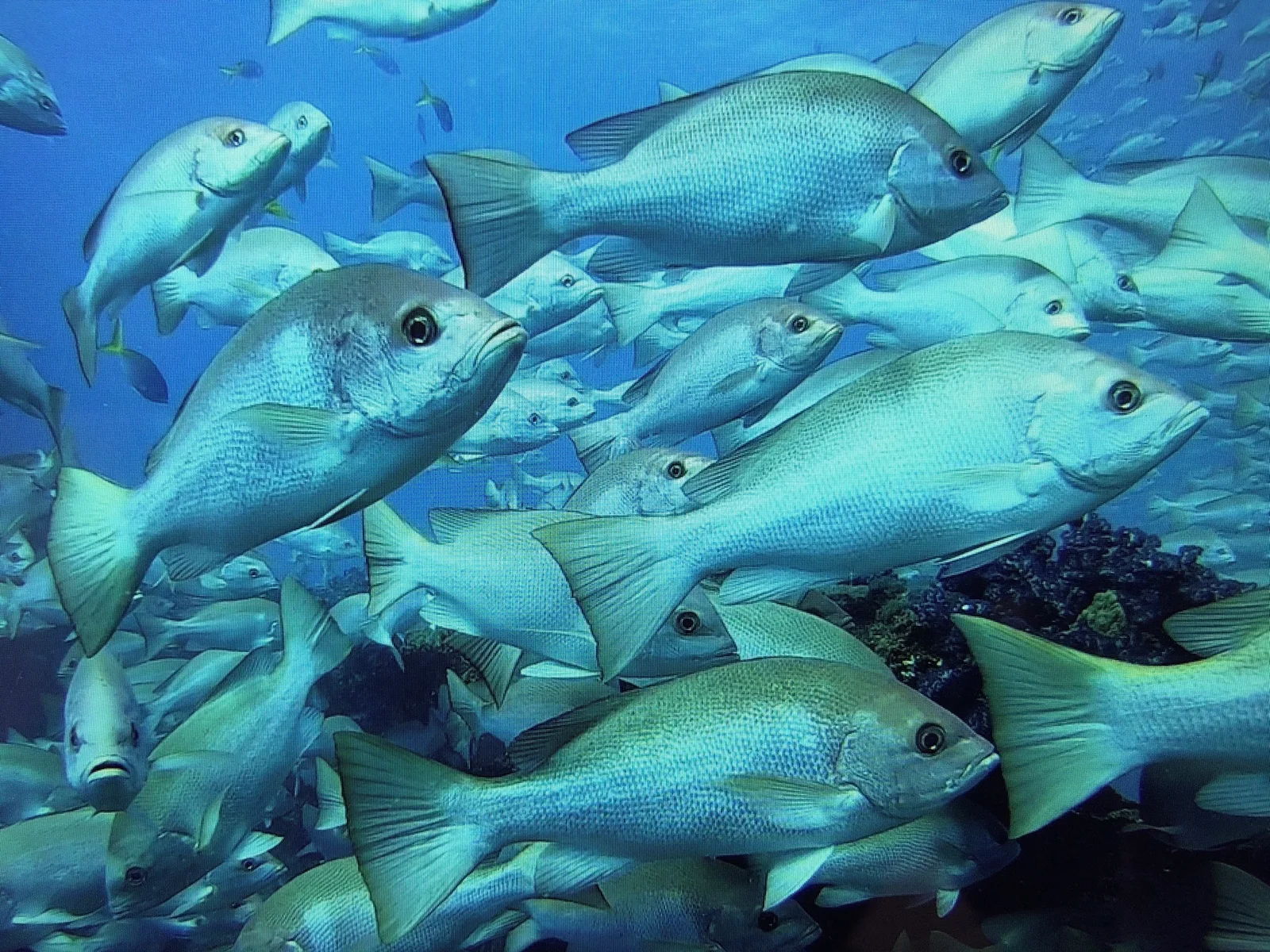
Crimson snapper
Crimson snapper is a medium-sized lutjanid of Indo-Pacific reefs, reaching 81.6 cm fork length, 45 cm common length and eight years. FishBase notes that many workers filed it as Lutjanus malabaricus or L. altifrontalis, and treats the Red Sea record as a misidentification. Boat bottom fishing is the usual approach, with the season running January to April and September to December.
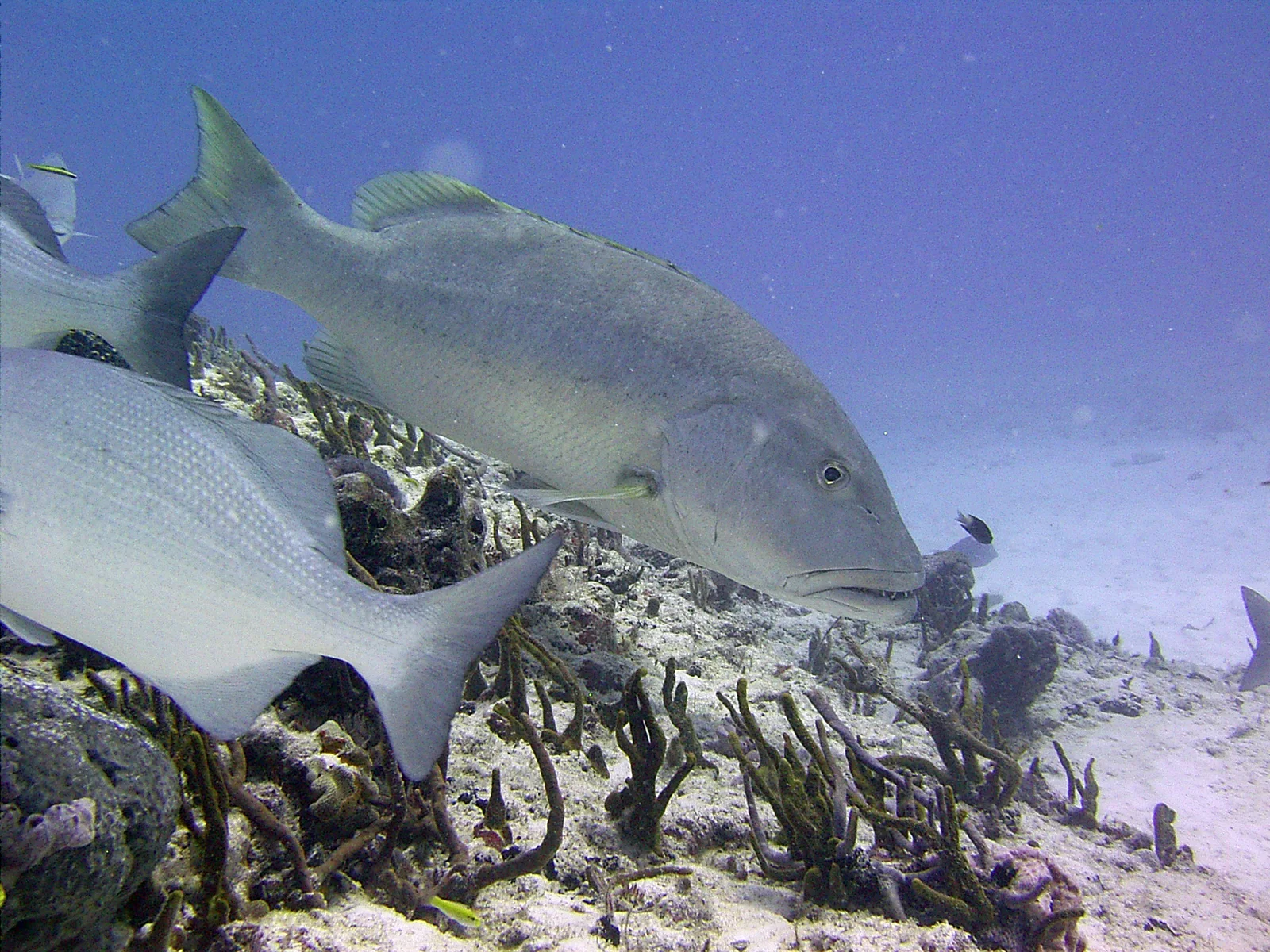
Cubera snapper
Cubera snapper is a large lutjanid of the western Atlantic, from Nova Scotia and Bermuda to the Amazon. It lives from 18 to 70 m in subtropical water, reaches 160 cm TL and 57 kg, can live 55 years, and feeds on fish. Its season runs June to August.
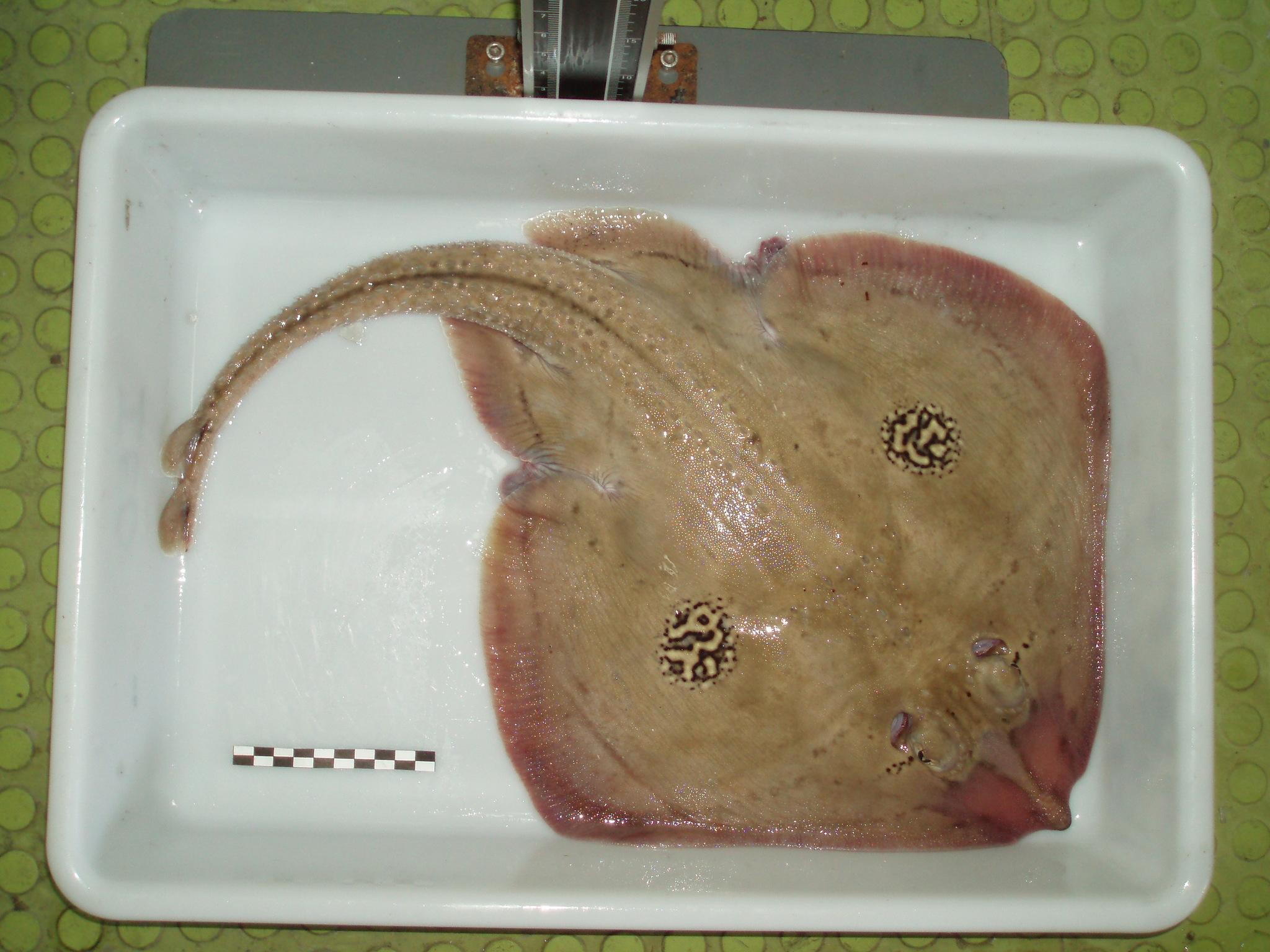
Cuckoo ray
Cuckoo ray is a rajid skate of the eastern Atlantic and Mediterranean, from the Kattegat and North Sea around Britain and Ireland down to Morocco and Senegal. It is recorded from 12 to 900 m. Males reach 81 cm TL and females 68 cm, with a common length of 40 cm and maturity at about 57.5 cm. It is present year-round, and boat bottom fishing and shore casting are the methods listed.

Cuckoo wrasse
The size line for the cuckoo wrasse contains two maximum lengths that cannot be placed side by side without a conversion: 40 cm standard length for a male, and 30 cm total length for a female. The numbers are written in the same block, separated by a semicolon, and a reader who compares them directly is comparing two different measurements. That is the whole of this entry's argument, and it matters more than the ten-centimetre gap suggests.
Cunner
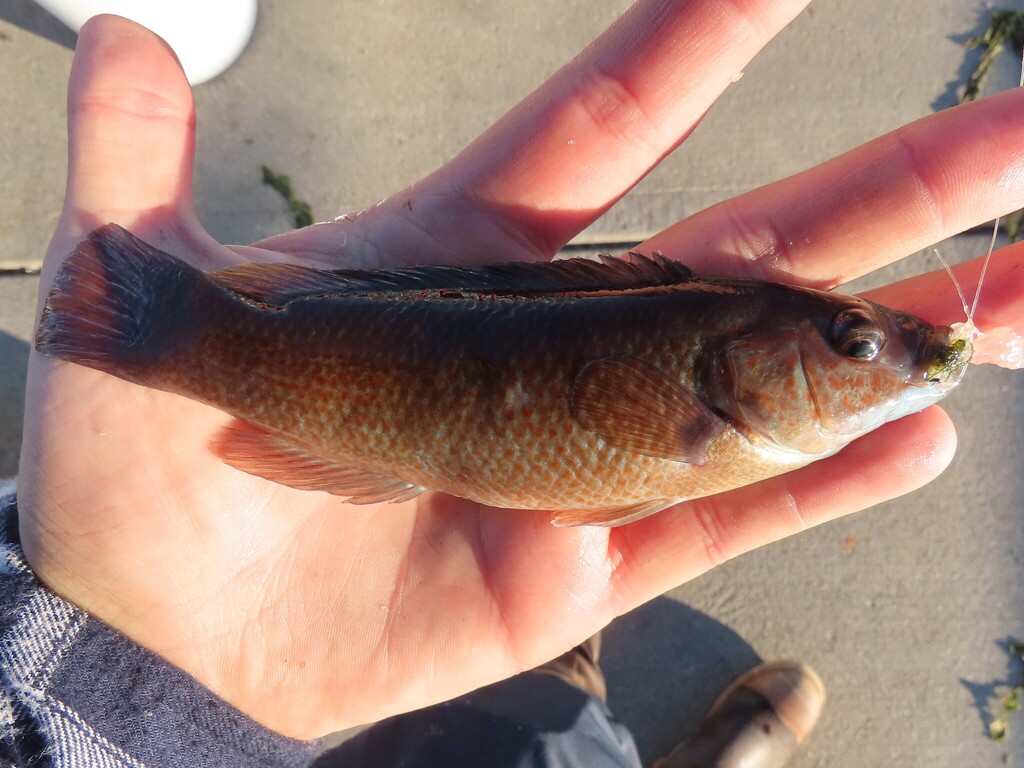
Cunner is a small wrasse of the northwestern Atlantic, from Newfoundland and the Gulf of St Lawrence south to Chesapeake Bay. It is a temperate fish of 10 to 128 m, reaches 44 cm TL and 1 kg and lives about six years. May to August is the season. Shore fishing, boat bottom fishing and small hook rigs are the methods listed.

Cusk
The cusk an angler is most likely to catch is younger than the cusk that has ever spawned. FishBase gives a common length of 50 centimetres for the species and puts the onset of maturity at 53.3. Put those two figures side by side and the ordinary fish on deck sits below the ordinary age of first breeding.

Dageraad
Dageraad is a South African endemic sparid of rocky banks, recorded from 30 to 100 m and seldom caught from the shore. It reaches 75 cm TL with a common length of 40 cm and 7.3 kg, matures at about 36.5 cm and feeds on crustaceans, molluscs, worms and small fish. FishBase lists it as Critically Endangered, and the methods listed include release practice alongside boat bottom fishing and drifting.

Deep-water Cape hake
A South African auction sheet may print one word for this fish, and that word is not the name on the record. The binomial is settled and the authority is settled; what moves around is the trade name, and because two Cape hakes answer to it, the name is the part that misleads a buyer, a regulator and a tag. This article follows the names rather than the biology.
Deepwater longtail red snapper
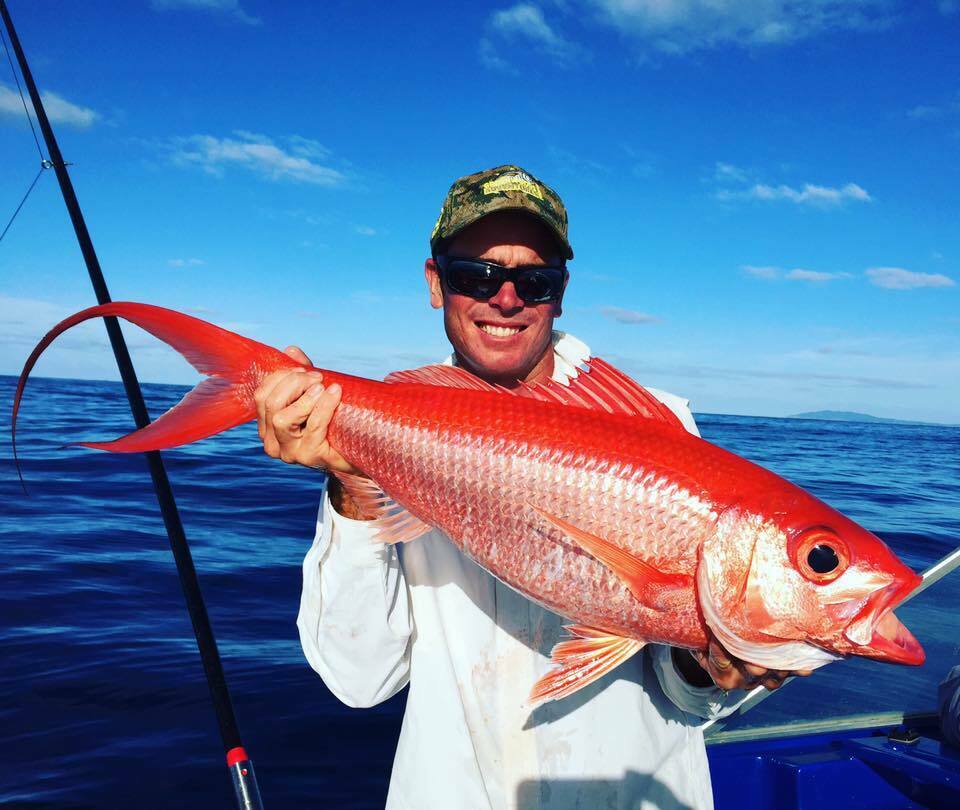
Deepwater longtail red snapper is a large lutjanid of the Indo-Pacific, from East Africa across to Hawaii, north to the Sea of Japan and south through Queensland, New South Wales and Lord Howe Island. It lives deep, between 45 and 400 m, grows to 120 cm TL and feeds on crustaceans and fish. A maximum recorded age of 20 years underlines how long-lived this deep-water snapper is.

Devil firefish
The devil firefish is the Lessepsian immigrant everyone recognises and too many people handle badly: wing-like pectoral fins, long venomous dorsal spines, first established in the eastern Mediterranean and still spreading west. It has no effective predator here and no law obliging you to remove it. The difficulty is not catching one; it is getting the first fish off the hook without a spine finding your hand.
Diagonal-banded sweetlips
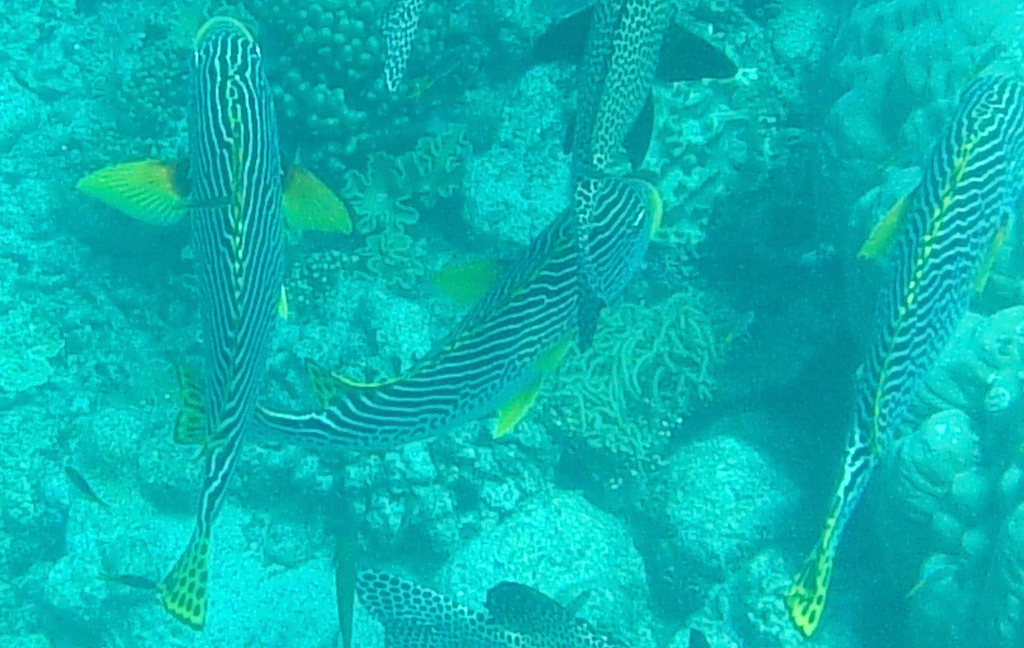
Diagonal-banded sweetlips is a western Pacific reef haemulid, from the Ryukyu and Ogasawara islands to the Great Barrier Reef and New Caledonia. It lives at 1 to 50 m on lagoon and seaward reef slopes, where adults gather along coral slopes and juveniles stay on shallow protected reef. It is nocturnal, feeding over sand flats and seagrass at night and resting by day. It reaches 72 cm TL, and bottom fishing and lures are the methods listed.

Dog snapper
Dog snapper is a lutjanid of the western Atlantic, from Massachusetts through the Gulf of Mexico and Caribbean to São Paulo. It lives from 2 to 40 m in subtropical water, reaches 128 cm TL and 28.6 kg, can live 33 years, and feeds on fish and molluscs. Its season runs March to December.
Dogtooth grouper
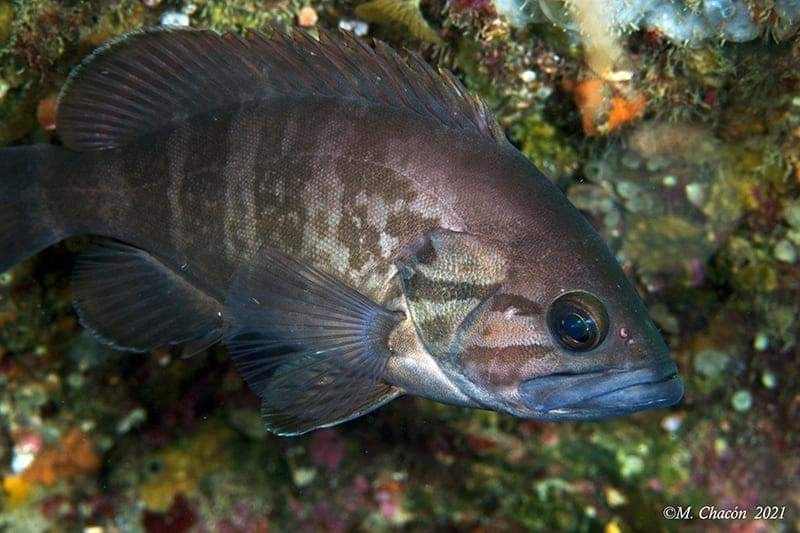
Dogtooth grouper is a large epinephelid of the eastern Atlantic and Mediterranean, from Portugal to Angola. It is a deep-water grouper, living from 30 to 400 m in subtropical water, and reaches 164 cm TL and 35 kg. It feeds on fish.
Dogtooth tuna
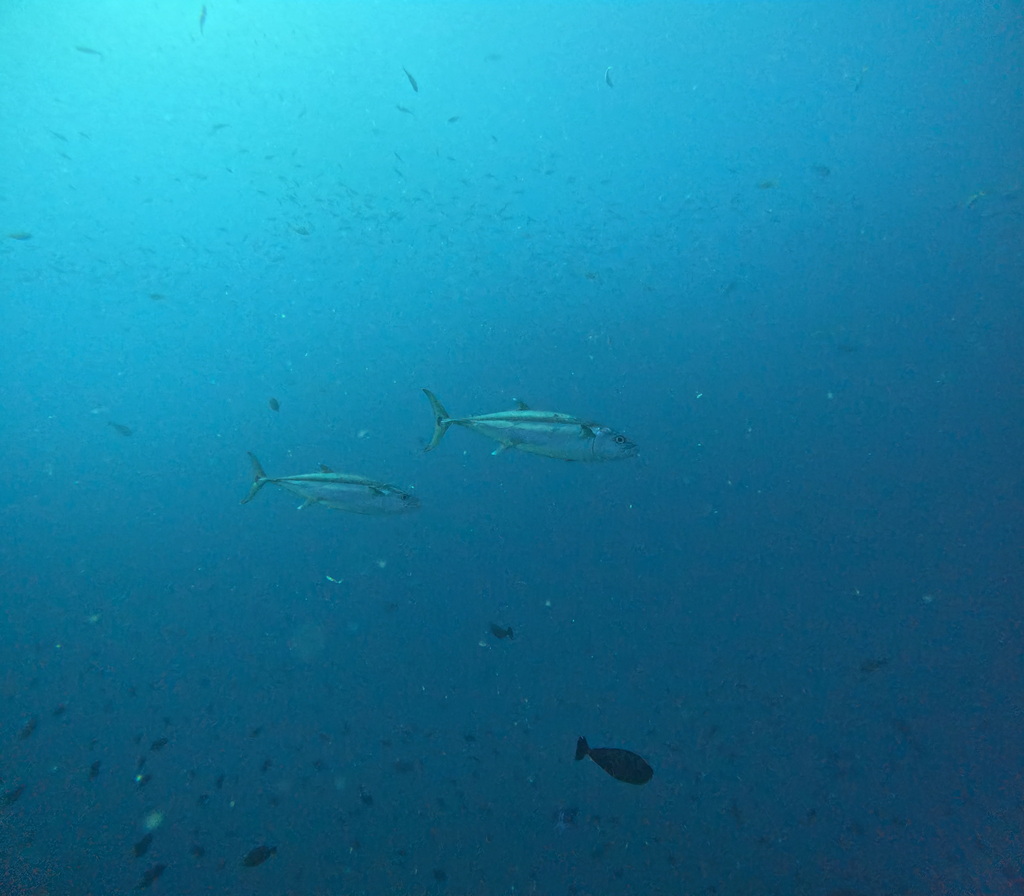
Dogtooth tuna is a large Indo-Pacific scombrid of coral-reef water, from the Red Sea and East Africa to French Polynesia, north to Japan and south to Australia. It lives from the surface to 250 m in 20 to 28 degrees C, usually alone or in schools of six or fewer, and feeds on small schooling fish and squid. It reaches 248 cm FL and 131 kg, and trolling, jigging and lures are the methods listed.
Dolly Varden
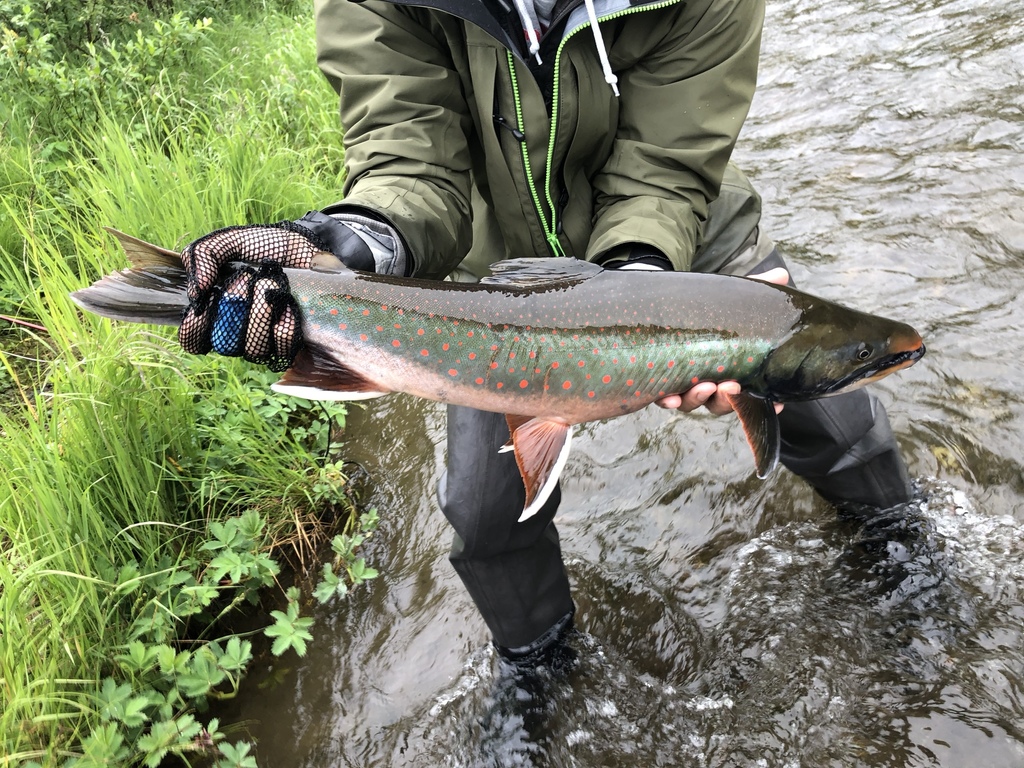
The dorsal fin has 10–16 soft rays, the anal fin 10–15 soft rays, and the vertebral count is 14–22. A free-tipped fleshy appendage above the pelvic-fin insertion and a slightly emarginate caudal fin are useful against other local salmonids. Sea-run adults are dark blue on the back and upper head with silvery to white flanks; freshwater fish are olive green to brown above and paler at the side.
Dotted gizzard shad
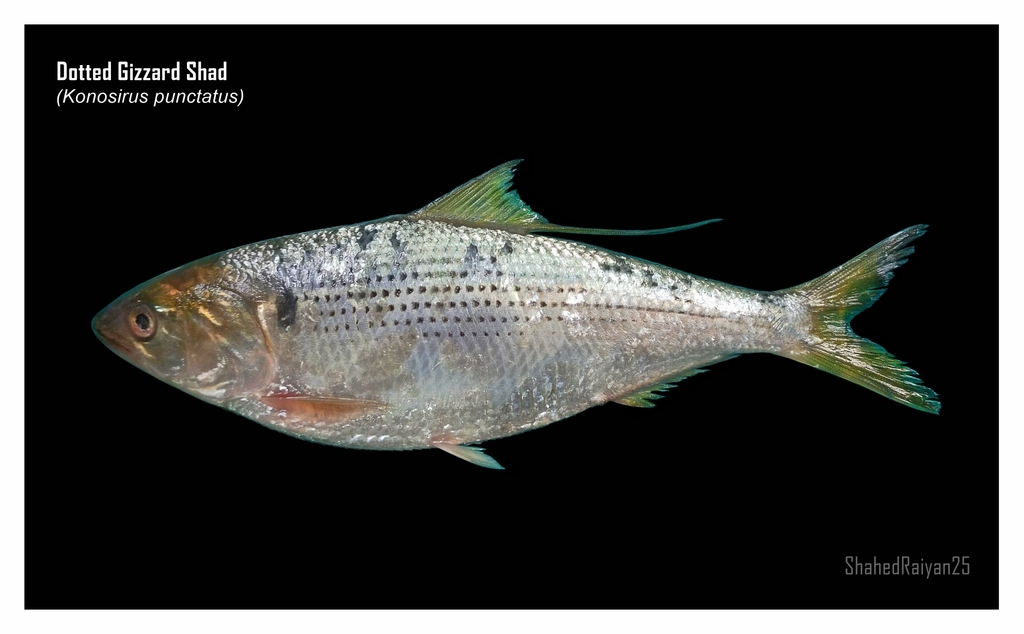
Dotted gizzard shad is a small coastal herring of the East China Sea and Yellow Sea, found along the Japanese coast from about 38 degrees north southward. It lives in subtropical water and reaches 32 cm TL, with maturity from about 15 cm. It is present year-round, so there is no narrow window when it is worth planning a trip.
Dragonet
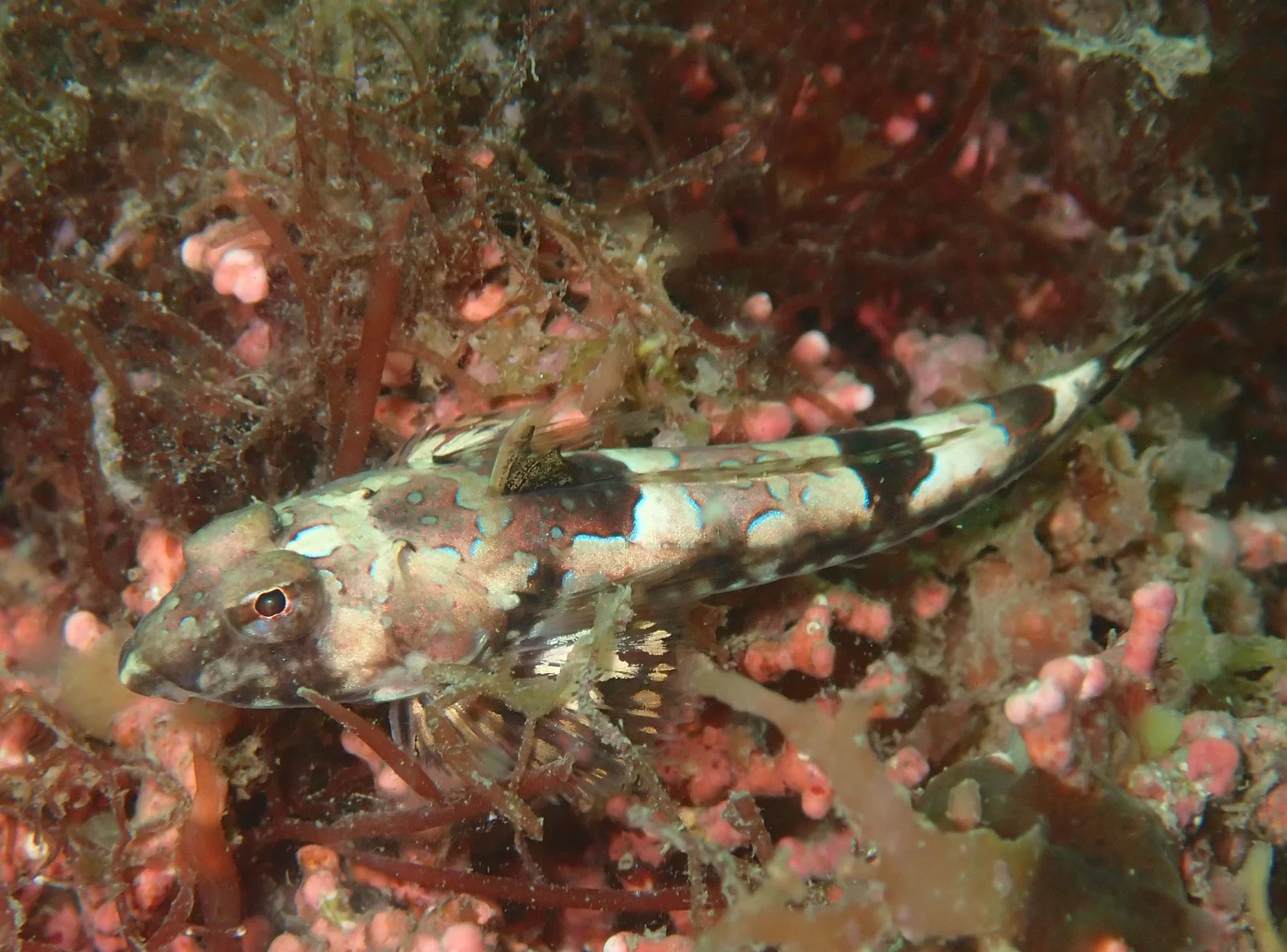
The common dragonet is a small, bottom-dwelling fish of the family Callionymidae, known for the long, sail-like dorsal fins of mature males. It is widespread in the eastern Atlantic, from southern Iceland and Norway down to Mauritania, and also occurs through the Mediterranean and Black Sea. Most fish are found on sand in 5–30 m, although trawls have recorded it as deep as 440 m.

Dusky flathead
A flathead is built to lie still. The dusky flathead is the largest member of its family, and it spends most of its life on the bottom of an estuary rather than on a reef. The recorded ceiling is 120 cm TL with a 15 kg top weight; depths run from the shoreline to 30 m, and the bottom list reads like a coastal river — sand, mud, estuary, seagrass and freshwater.

Dusky grouper
Dusky grouper is a large grouper of the Mediterranean and eastern Atlantic, from the Bay of Biscay to southern Africa and into the western Indian Ocean. It lives from 8 to 300 m in subtropical water, reaches 150 cm and 60 kg, feeds on fish, and can live 60 years. Boat bottom fishing or rock fishing works, with the season running June to December.

Dusky rabbitfish
Dusky rabbitfish is a herbivorous siganid of the western Pacific, from southern Korea and Japan through Taiwan and southern China to Malaysia. It lives from 1 to 50 m in tropical water, reaches 40 cm TL and 1.2 kg, and feeds on algae. Shore fishing or boat fishing is the usual approach, and it is present year-round.
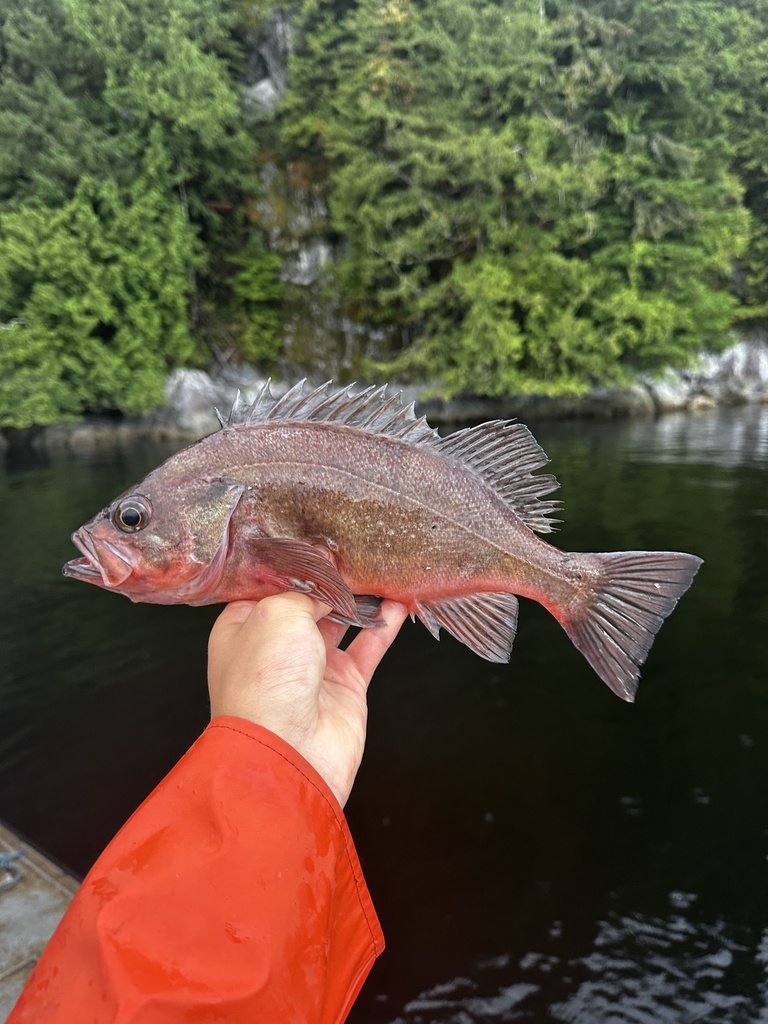
Dusky rockfish
Dusky rockfish has XIII–XIV dorsal spines and 13–16 soft rays, III anal spines and 7–9 soft rays, and 28–29 vertebrae. It carries 43–54 lateral-line pores, 47–63 scales and 16–19 pectoral rays. The body runs from light yellow through greenish brown to gray, usually greenish brown, with orange flecks on the sides, distinctly light areas above the anal-fin base and on the ventral pectoral rays, a peritoneum from light gray to jet.
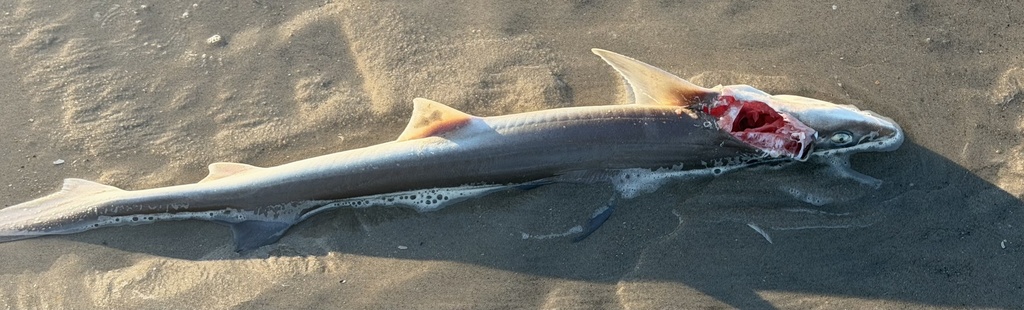
Dusky smooth-hound
Dusky smooth-hound is a small triakid shark of the western Atlantic, from Massachusetts to Florida, through the Gulf and Caribbean, and from southern Brazil to northern Argentina. It reaches 150 cm TL with a common length of 100 cm and 12.2 kg, and matures at about 99.8 cm. May to July is the season. Shore casting and boat bottom fishing are the methods listed.
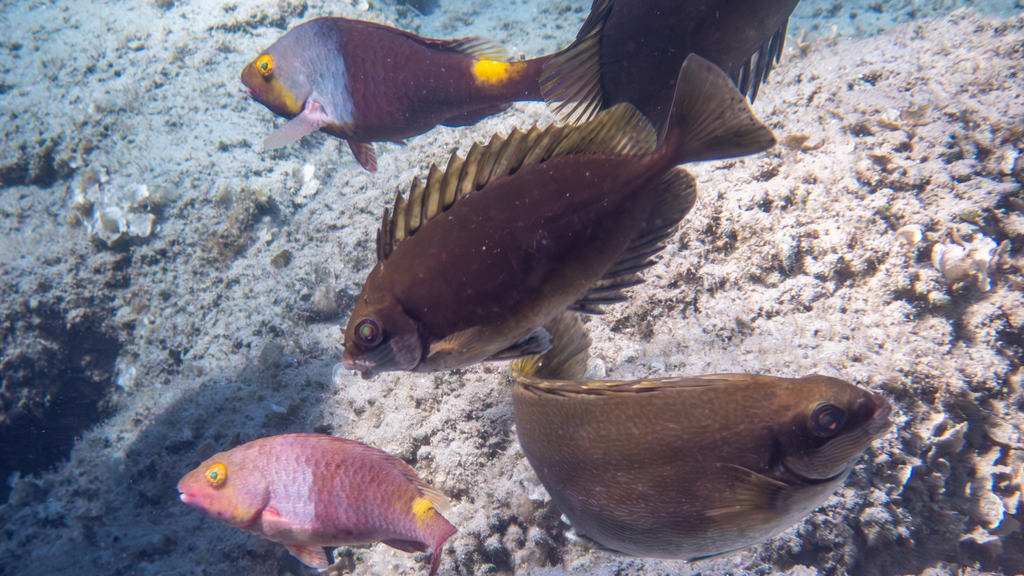
Dusky spinefoot
The dusky spinefoot is one of the Suez Canal's most firmly established arrivals: it grazes Mediterranean algal film down to bare rock and has become one of the easiest shore-caught fish in the eastern basin. Handling it is not, because every dorsal spine is venomous and no jurisdiction sets a minimum size for it.
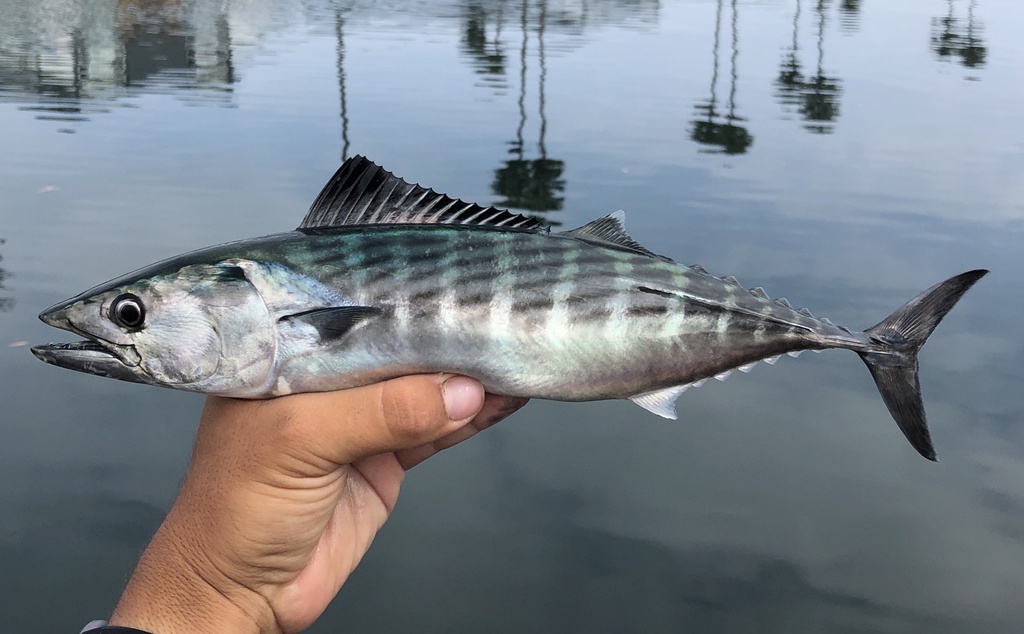
Eastern Pacific bonito
Eastern Pacific bonito is a scombrid of the southeast Pacific, from northern Peru down to Talcahuano in Chile. It is a surface and mid-water fish, recorded from 0 to 100 m in subtropical seas, and it feeds on fish. Adults reach 102 cm TL and 11.3 kg. The season here is split, covering January and February and then September through December.
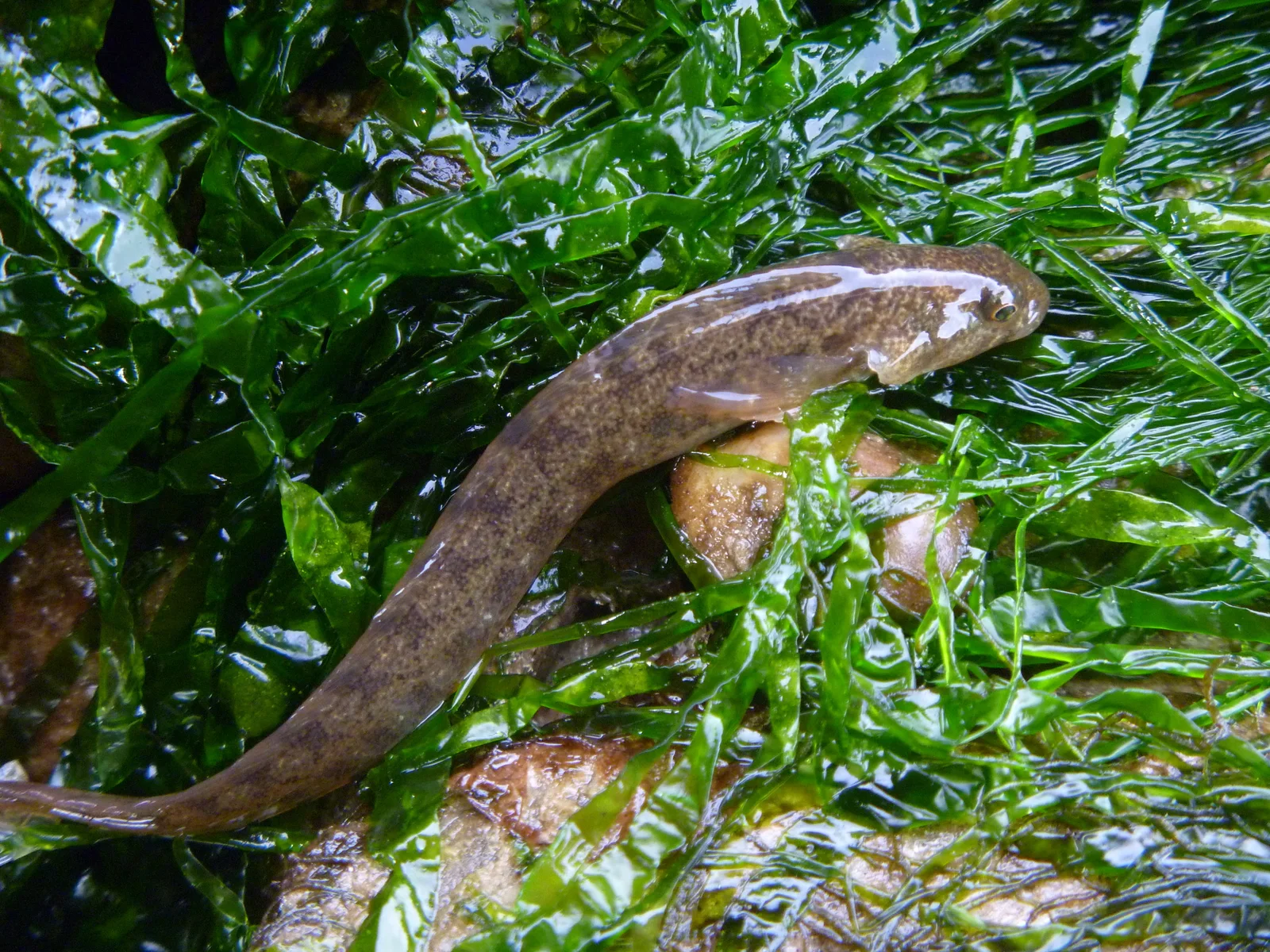
Eelpout
The eelpout is an elongate, bottom-hugging fish of the family Zoarcidae, found in the northeast Atlantic from the White Sea and Murmansk south to the English Channel, with populations in the North Sea and Baltic. It stays shallow, usually between 2 and 20 m and never deeper than about 40 m. At a common length of 30 cm it is large for a shallow-water bycatch, and it gives birth to live young rather than spawning.
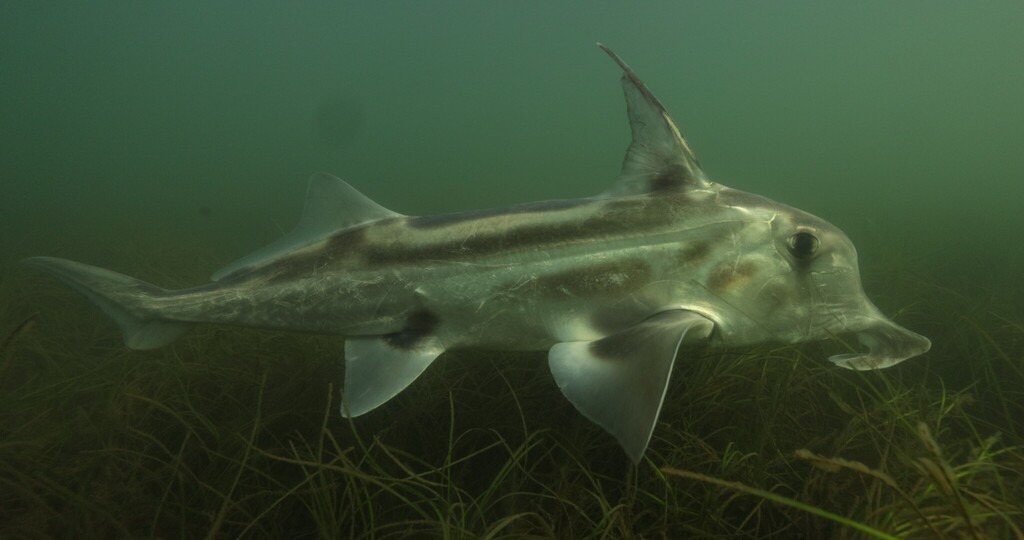
Elephant fish
Elephant fish is a chimaera, and the names are the first thing to sort out. FishBase gives Elephant fish as the English name, with ghost shark, plownose chimaera, whitefish and silver trumpeter among the alternatives. It is a demersal fish recorded from the surface to 227 m. Wikipedia classifies it as a chimaera in the subclass Holocephali, with sharks, rays and skates in the other subclass, Elasmobranchii.

Emperor snapper
Emperor snapper is a large lutjanid of the Indo-West Pacific, from the southern Red Sea and East Africa to New Caledonia, Japan and Australia. It lives from 5 to 180 m in tropical water, reaches 116 cm and 32.7 kg, can live 40 years, and feeds on crustaceans, fish, molluscs and echinoderms. Boat bottom fishing is the usual approach, and fish are present year-round.
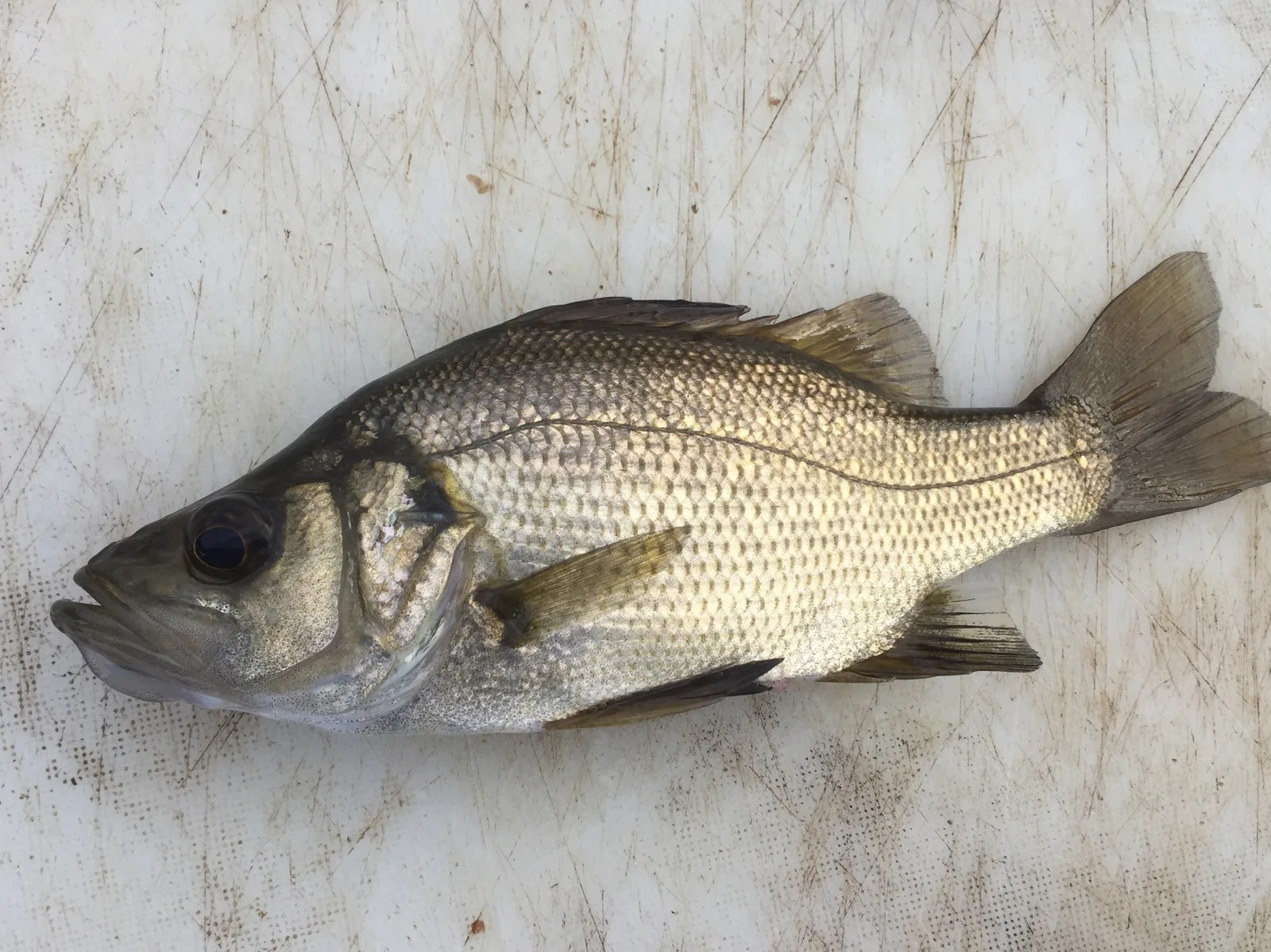
Estuary perch
Estuary perch is a robust, fusiform fish of the family Percalatidae, native to eastern and southern Australia and largely confined to the brackish tidal reaches of coastal rivers and lakes. It is catadromous, spends part of its life in estuaries, reaches 75 cm SL and 10 kg, and can live 40 years. It is marked as both a commercial catch and a gamefish.

European anchovy
European anchovy is a small clupeid of the eastern Atlantic and Mediterranean, from Bergen in Norway to East London in South Africa. It lives from the surface to 400 m in subtropical water, reaches 20 cm SL, can live five years, and feeds on fish and zooplankton. It is present year-round.
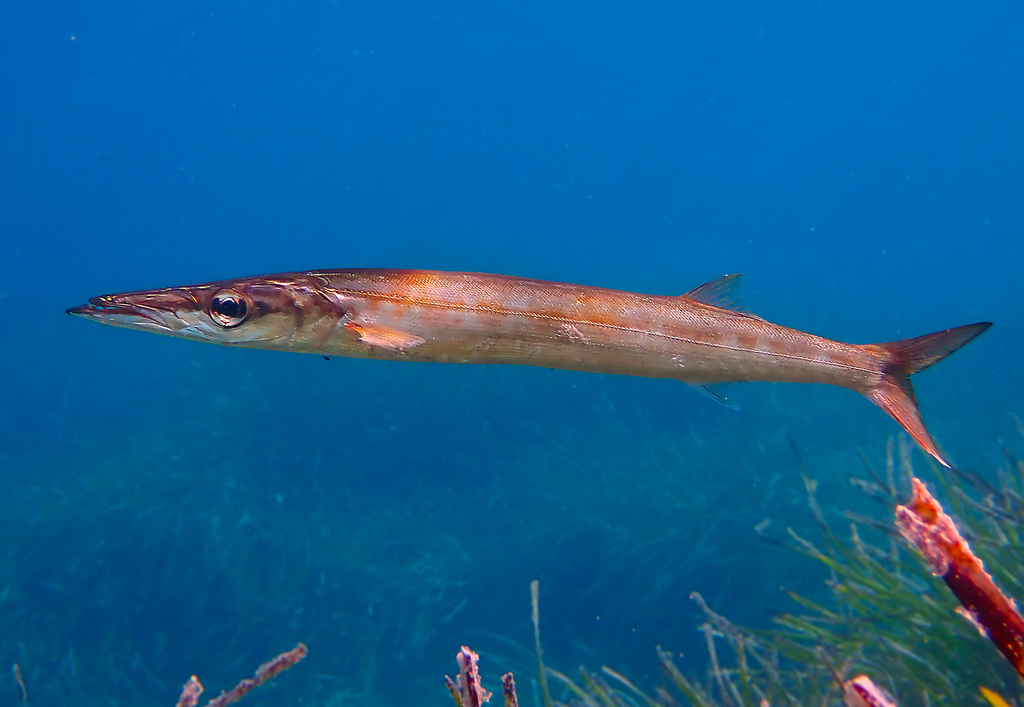
European barracuda
European barracuda is recorded across the Eastern Atlantic, from Bay of Biscay to Mossamedes, Angola, including the Mediterranean and Black Sea, Canary Islands, and Azores, within the family Sphyraenidae. It is caught from 0 to 100 m, in subtropical water. It tops out at 165 cm TL, on a diet of crustaceans, fishes and molluscs. The usual approach is trolling or shore casting.

European conger
European conger is a large congrid eel of the eastern Atlantic, from Norway and Iceland to Senegal, and in the Mediterranean and Black Sea. It lives from the surface to 1,171 m in temperate water, reaches 300 cm TL and 110 kg, and feeds on crustaceans, fish and molluscs. Its season runs June to August.
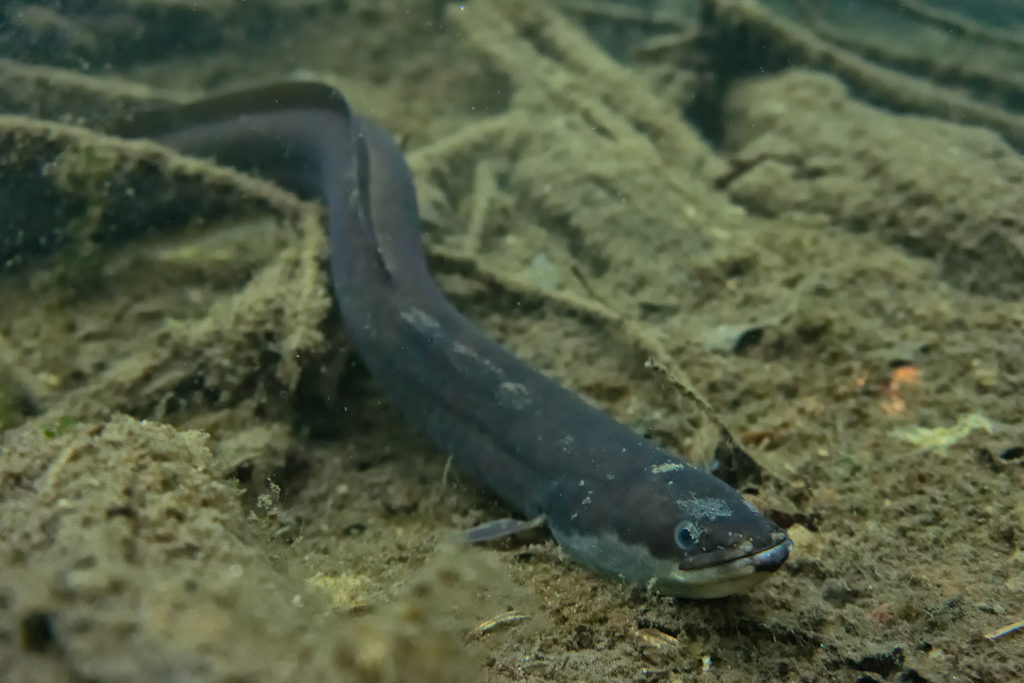
European eel
European eel is a snakelike fish of the eastern Atlantic and Mediterranean that lives in fresh water, estuaries and coastal seas from Scandinavia to Morocco. It reaches 122 cm and 6.6 kg, feeds on worms, and is fished at night or on the bottom. The season runs January to July in water of 4 to 20 °C.

European flounder
European flounder is a flatfish of the eastern Atlantic, from the White Sea and western Europe through the Mediterranean and Black Sea. It lives from 1 to 100 m in water of 5 to 25 °C, reaches 60 cm TL and 2.9 kg, can live 15 years, and feeds on fish, zooplankton and worms. Boat bottom fishing is the usual approach, with the season running December to June.
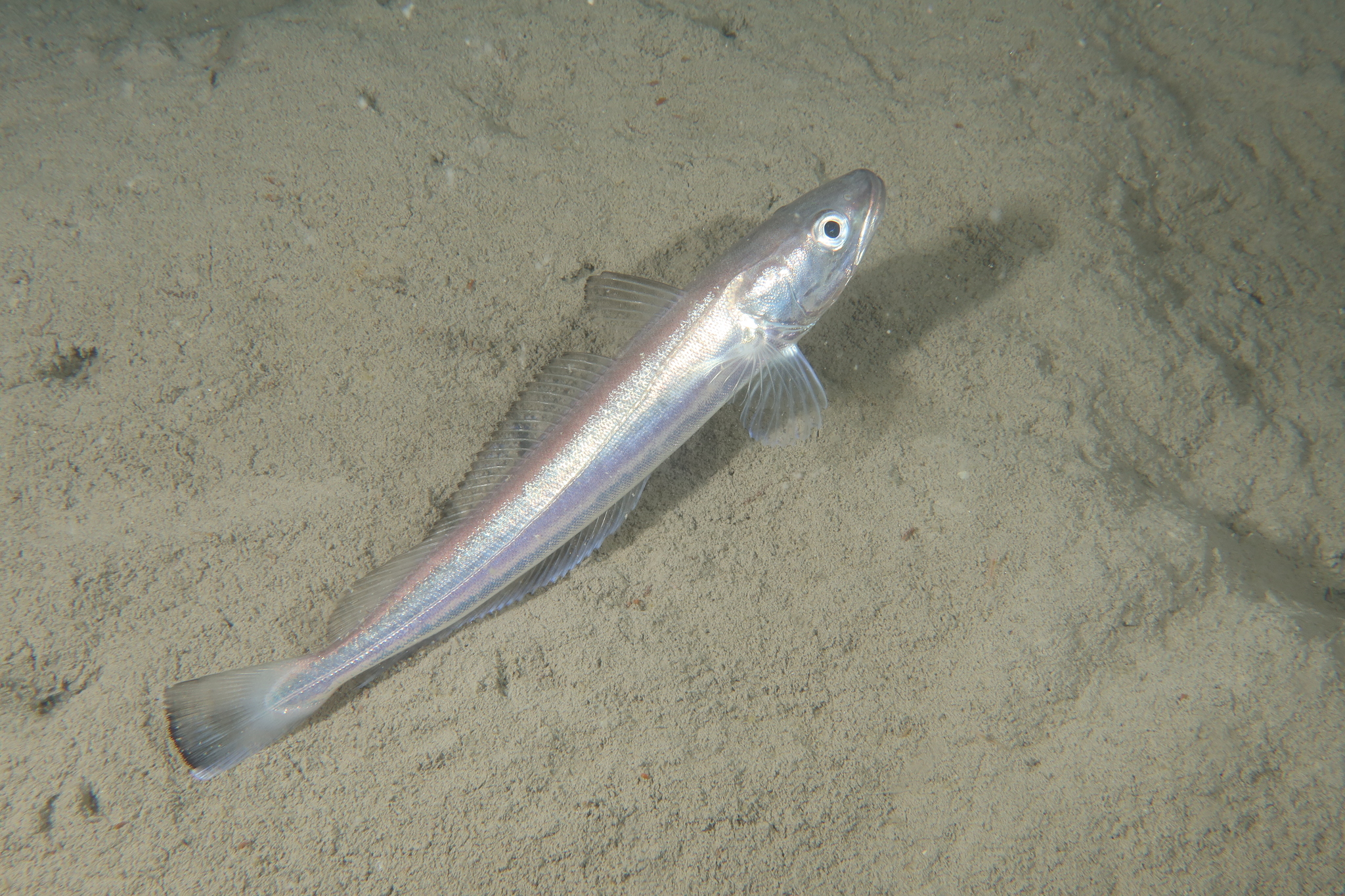
European hake
European hake is a merlucciid of the eastern Atlantic and Mediterranean, from Norway and Iceland south to Mauritania. It lives from 18 to 1,075 m in temperate water, reaches 140 cm and 15 kg, can live 20 years, and feeds on crustaceans and fish. Boat bottom fishing is the usual approach, and fish are present year-round.
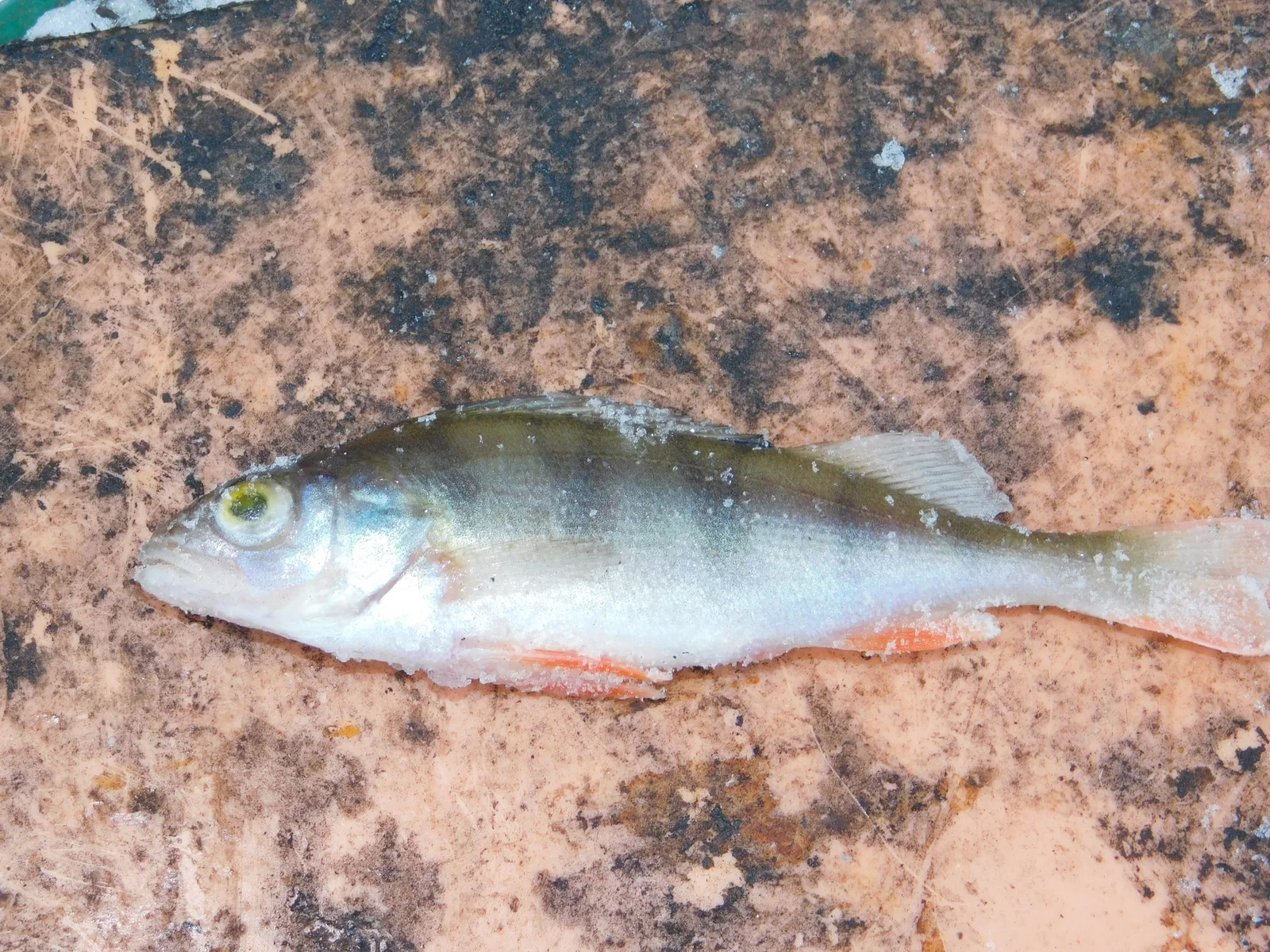
European perch
The European perch belongs to the family Percidae and is widespread across nearly all of Europe and northern Asia, from lowland lakes to rivers draining to the Arctic, and it has been widely introduced beyond that range. It is a demersal freshwater fish of 1–30 m, usually 3–4 m, at 10–22 °C. Anglers value it as a genuine sport fish, while commercial fisheries class it as highly commercial.

European pilchard
European pilchard is a small schooling clupeid of the northeast Atlantic and Mediterranean, from the North Sea and the British Isles south to Senegal, with Iceland at the rare edge of its range. It works the top 100 m, mostly below 10 m, and feeds on crustaceans and zooplankton. Adults reach 27.5 cm SL and can live 15 years. It is present year-round, and the market word sardine covers several species besides this one.

European plaice
European plaice is a flatfish of the northeast Atlantic, from the Barents Sea and Iceland down through the North Sea and Mediterranean. It lives from the surface to 200 m in water of 2 to 15 °C, reaches 100 cm SL and 7 kg, can live 50 years, and feeds on worms. Boat bottom fishing is the usual approach, with the season running November to June.
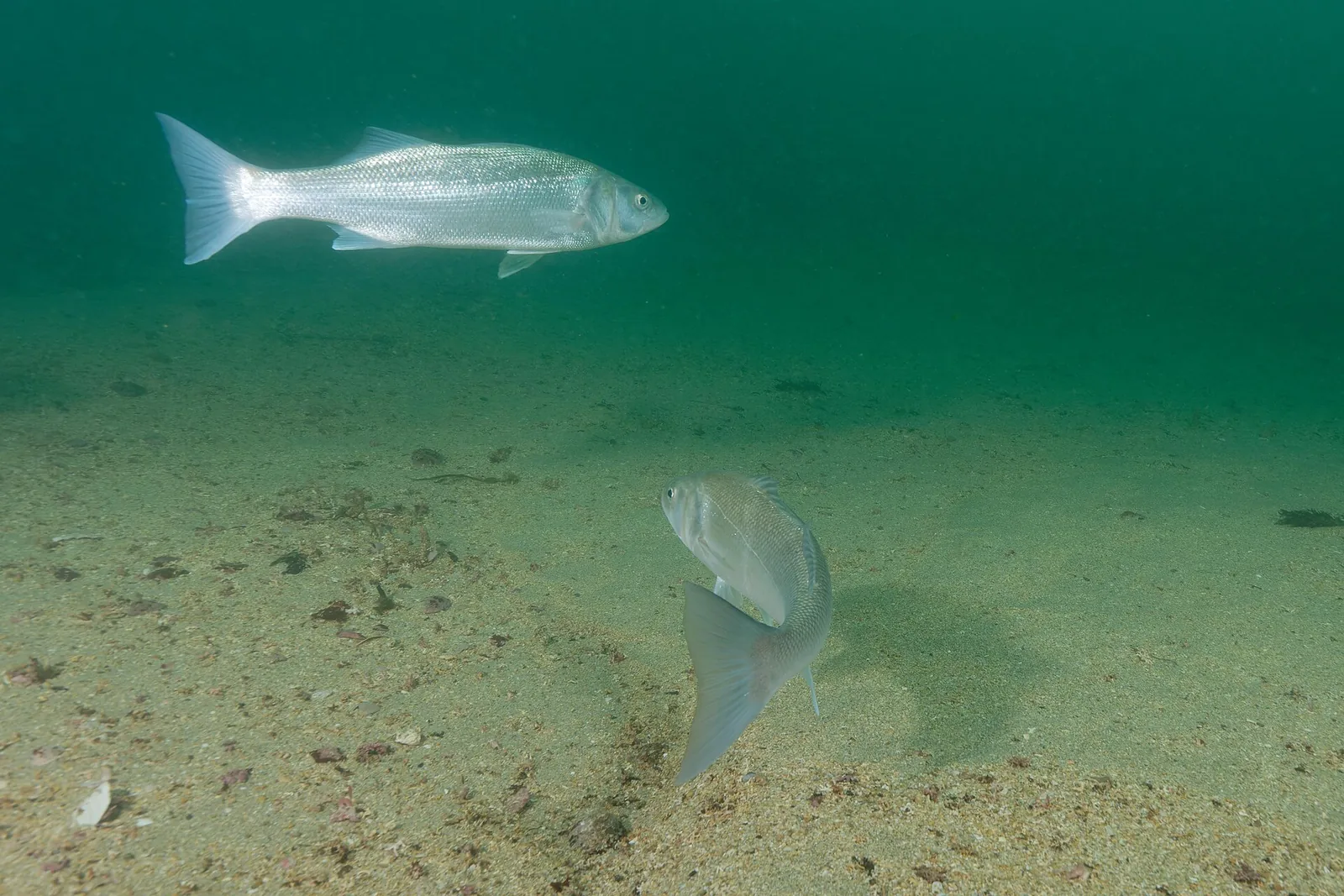
European seabass
European sea bass is a catadromous fish recorded from freshwater through brackish to full seawater, at 10–100 m and 8–24 °C, reaching 103 cm and 12 kg. Its first years are spent in shallow mixed water; adults move between estuary, surf line and open coast. The useful question is which part of the salinity gradient holds fish today.

European sprat
European sprat is a small clupeid of the northeast Atlantic and Mediterranean, from the North Sea and Lofoten south through the British Isles and the Baltic to Morocco. It works 10 to 150 m in temperate water on crustaceans, fish and zooplankton. Adults reach 25.1 cm SL and can live six years. February to August is the season.

European squid
European squid is a loliginid of the eastern Atlantic and Mediterranean, from the North Sea and British Isles to southwest Africa. It lives from the surface to 500 m in water of 13 to 20 °C, reaches 64 cm mantle length and 1.5 kg, and feeds on crustaceans, fish, molluscs and zooplankton. Boat fishing or handline is the usual approach, and it is present year-round.
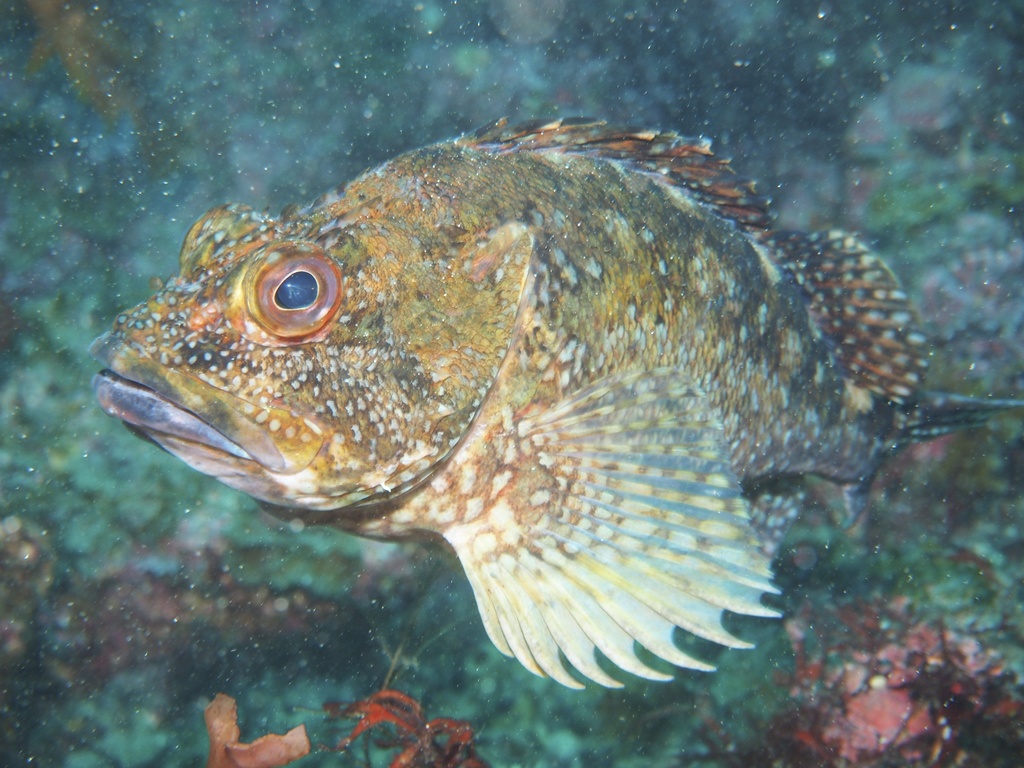
False kelpfish
Every label on this fish points a different direction. FishBase calls the climate tropical; the distribution text begins at southern Hokkaido, north of the Tropic of Cancer. FishBase puts the fish in Sebastidae; Wikipedia puts it in Scorpaenidae. None of these is a typo; they are different kinds of records.
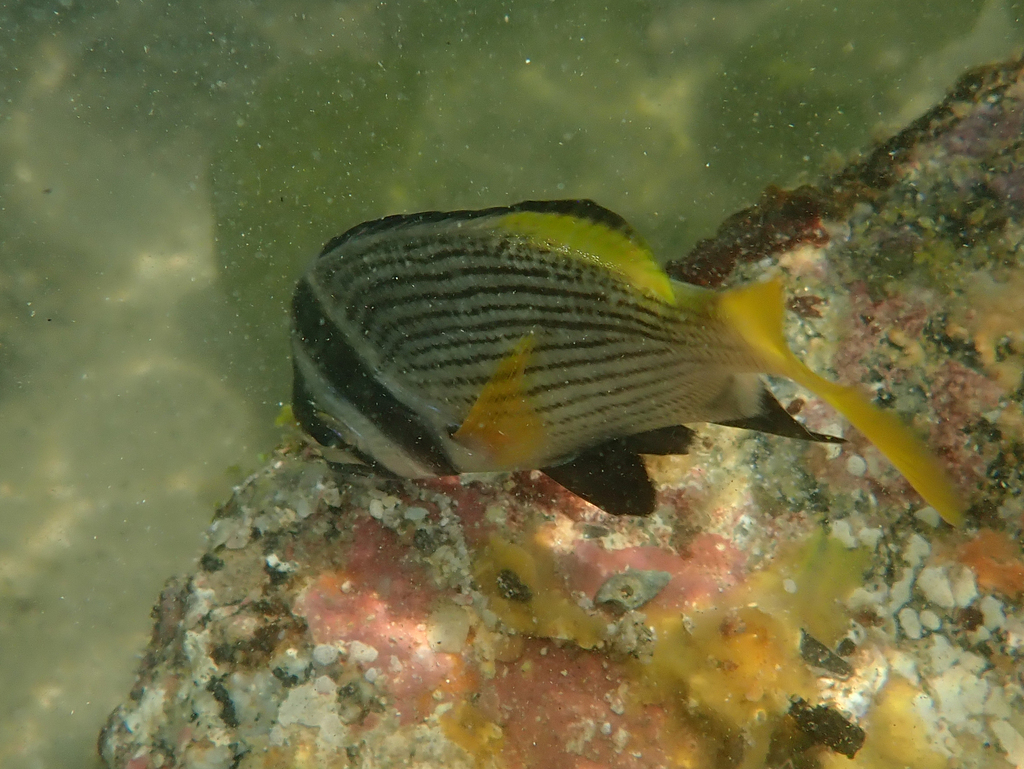
Faskar
Acanthopagrus bifasciatus is a Sparidae seabream of the Red Sea and Persian Gulf, found from 2 to 20 m over reef and rock. It is recognised by two vertical black bars on the head and yellow dorsal and caudal fins. FishBase records a maximum of 36.2 cm standard length, a common length of 40 cm total length, a maximum age of 19 years and maturity at 26.4 cm.

Finescale triggerfish
The habitat row prints three words — rocky, sandy, open-water. Three substrate entries do not describe one bottom; they describe a boundary. A fish recorded over rock, over sand and in the water above both has no single address, and the only place where all three descriptions hold within a few metres is the margin where hard and soft ground meet. That margin is the working line for this page.
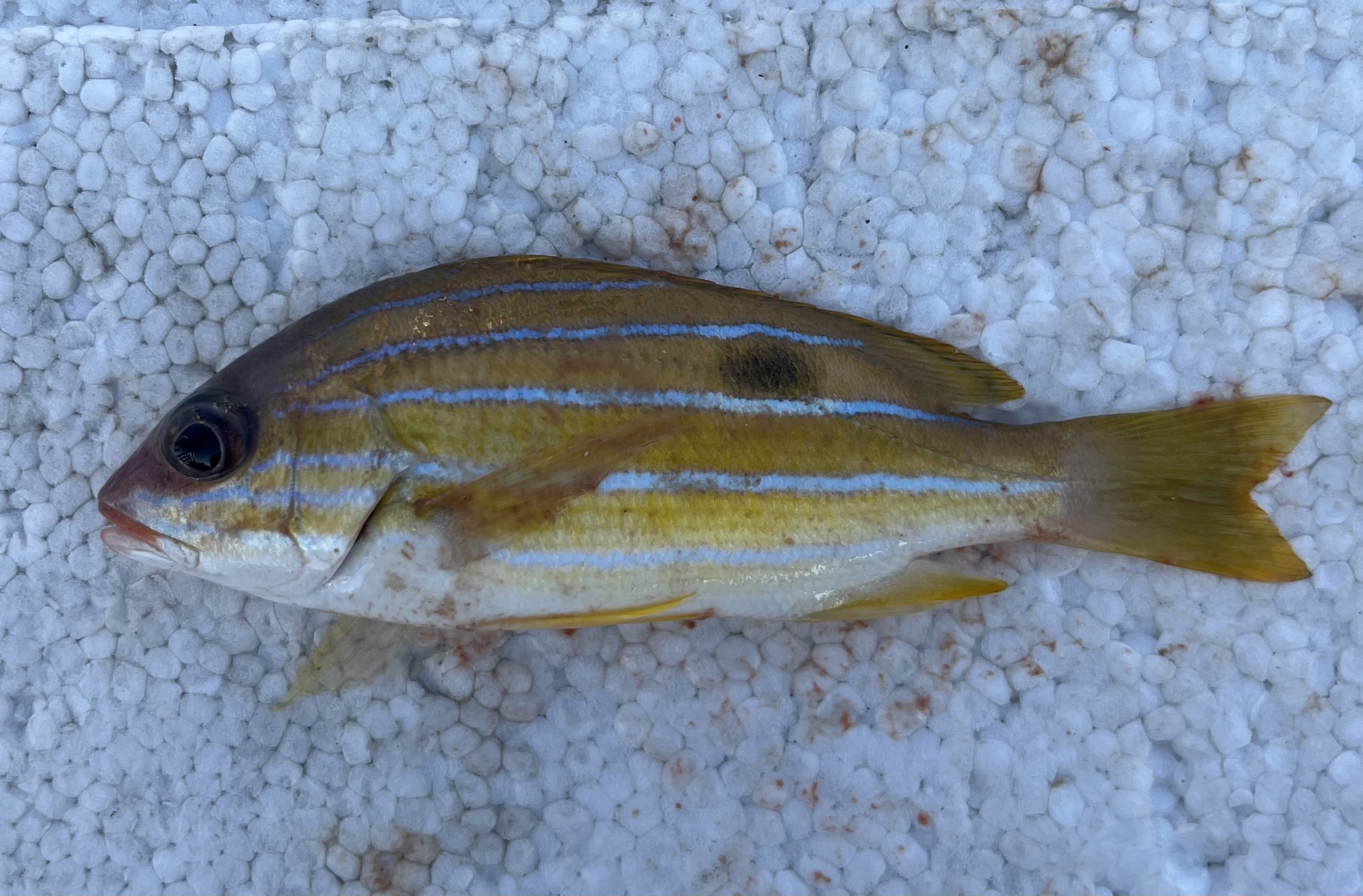
Five-lined snapper
The five-lined snapper is an Indo-West Pacific lutjanid, from the Persian Gulf and Gulf of Oman to Fiji, north to southern Japan. Older literature referred to it as Lutjanus spilurus. It is recorded as marine and reef-associated, at 2–40 m, in tropical water from 35°N to 37°S and 42°E to 176°W.
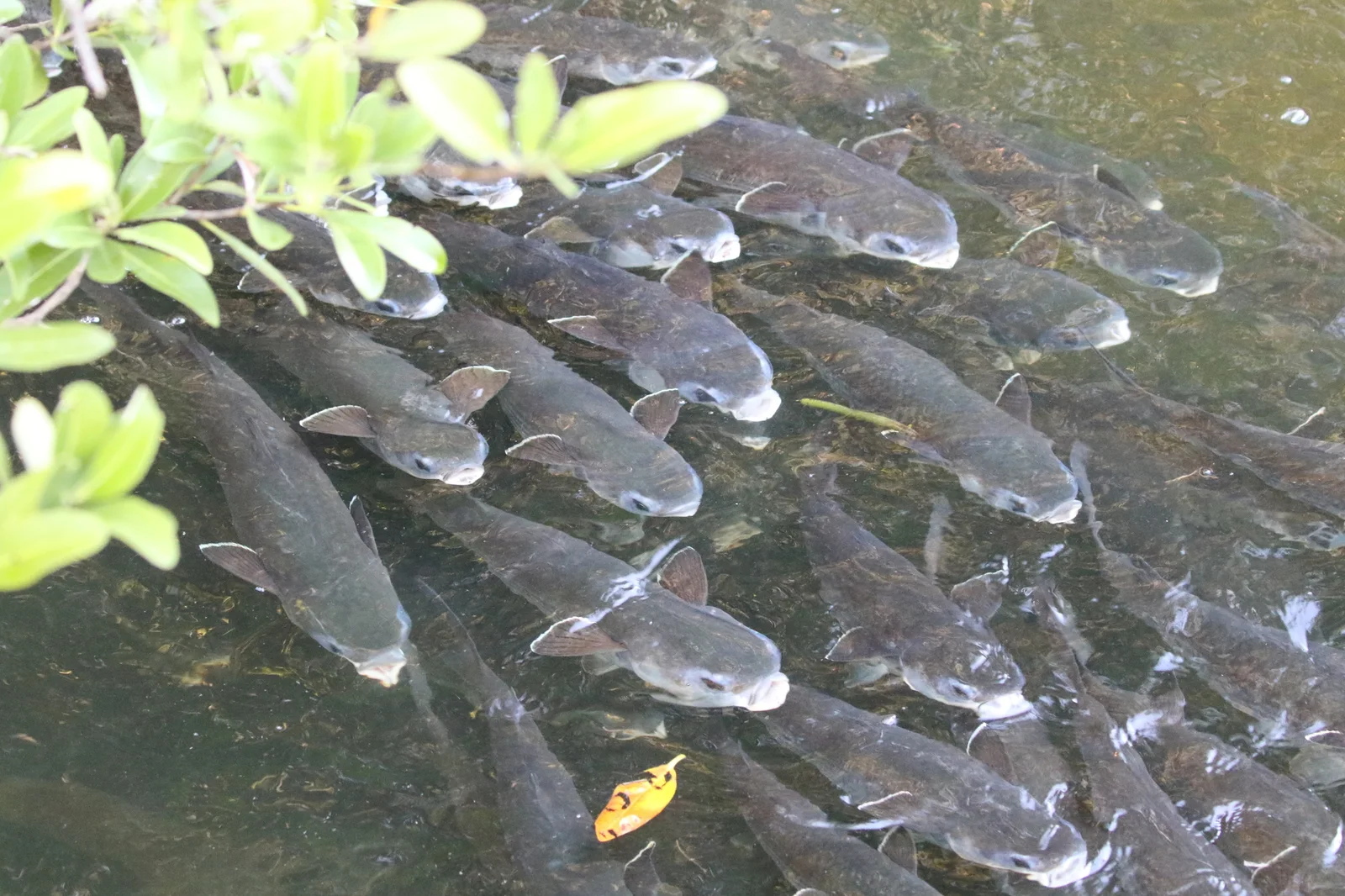
Flathead mullet
Flathead mullet is a mugilid of coastal waters in tropical, subtropical and temperate seas around the world. It lives from the surface to 120 m, reaches 100 cm, can live 16 years, and feeds on zooplankton, algae and detritus. Shore casting or float fishing is the usual approach, and fish are present year-round in water of 8 to 24 °C.

Florida pompano
Florida pompano is a carangid of the western Atlantic, from Massachusetts through the Gulf of Mexico and scattered West Indian localities to Brazil. It lives from 1 to 70 m in subtropical water, reaches 64 cm TL and 3.8 kg, can live seven years, and feeds on crustaceans and fish.

Forkbeard
Forkbeard is a cod-like fish of the northeast Atlantic and Mediterranean, found from the Bay of Biscay down to Morocco and Cape Verde, with the Azores and Mediterranean islands included. It lives from 13 to 614 m in subtropical water and feeds on fish. Adults reach 65 cm TL and 3.9 kg. It is present year-round.
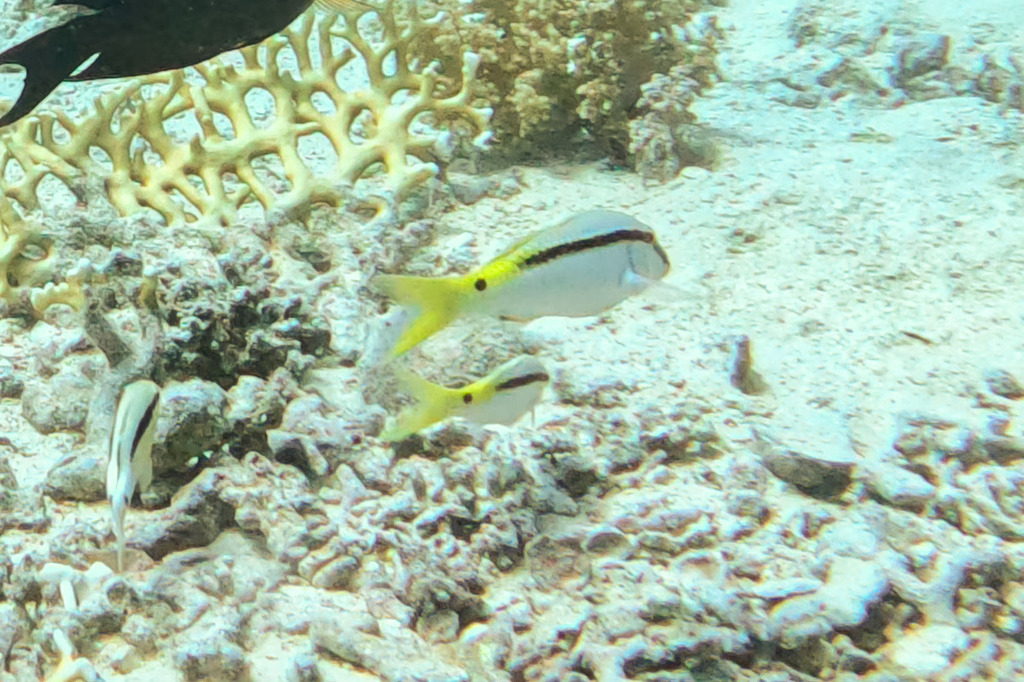
Forsskål's goatfish
Forsskal's goatfish is a mullid with a moderately elongate body, two long barbels under the chin, eight dorsal spines with nine soft rays and seven anal rays. It lives over sand and rubble beside coral from 1 to 45 m, feeding on small benthic invertebrates. It reaches 28 cm TL with a common length of 25 cm and about 275 g. Boat bottom fishing, fly fishing and jigging are the methods listed.
No fish match this water on this page. Clear the filter or choose another habitat.