
What fish are on your coast? — page 10 of 16
Choose the water you fish: shore, reef, surf or deep water. Then open a fish to see what it eats, when it comes in, and how to catch it.
Species records
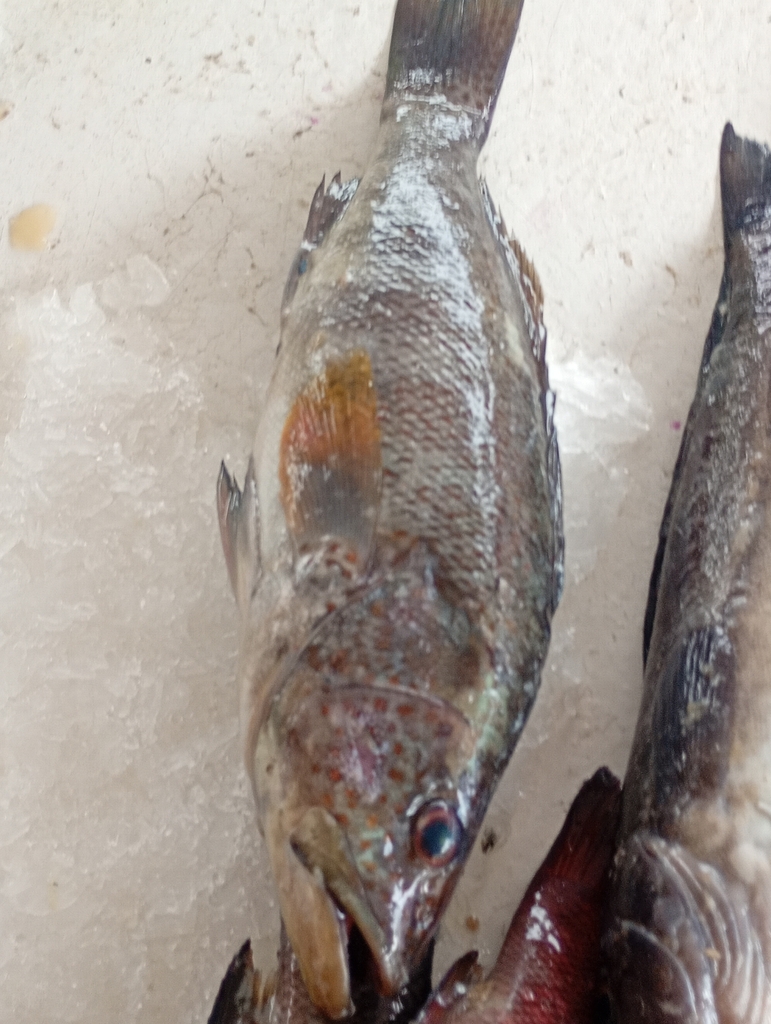
Pacific bass
The Pacific bass is a 54.5 cm serranid that lives between 60 and 180 m, schools in 14–16 °C water, and is rated Data Deficient. The depth floor is the number that decides how it is fished. The season runs January to December.
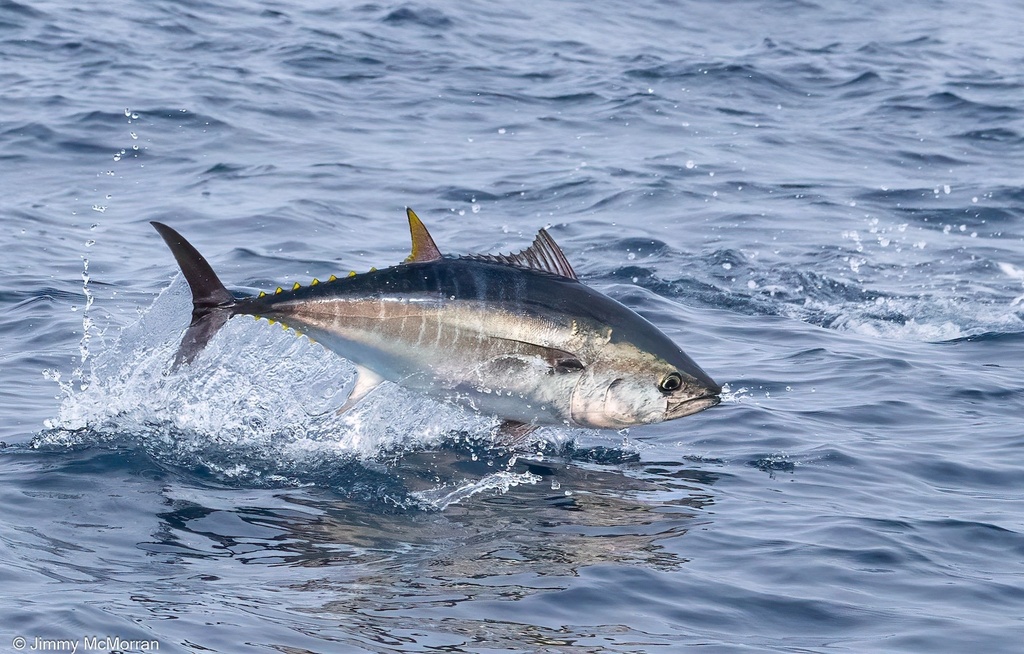
Pacific bluefin tuna
Pacific bluefin tuna, a member of the family Scombridae, is found across the North Pacific, from Gulf of Alaska to southern California and Baja California and from Sakhalin Island in the southern Sea of Okhotsk south to northern Philippines. Its depth range is from 1 to 550 m, in subtropical seas. It grows to 300 cm FL and 450 kg, with a diet of fishes. The standard approach is trolling, jigging or live bait. The season runs April to August.
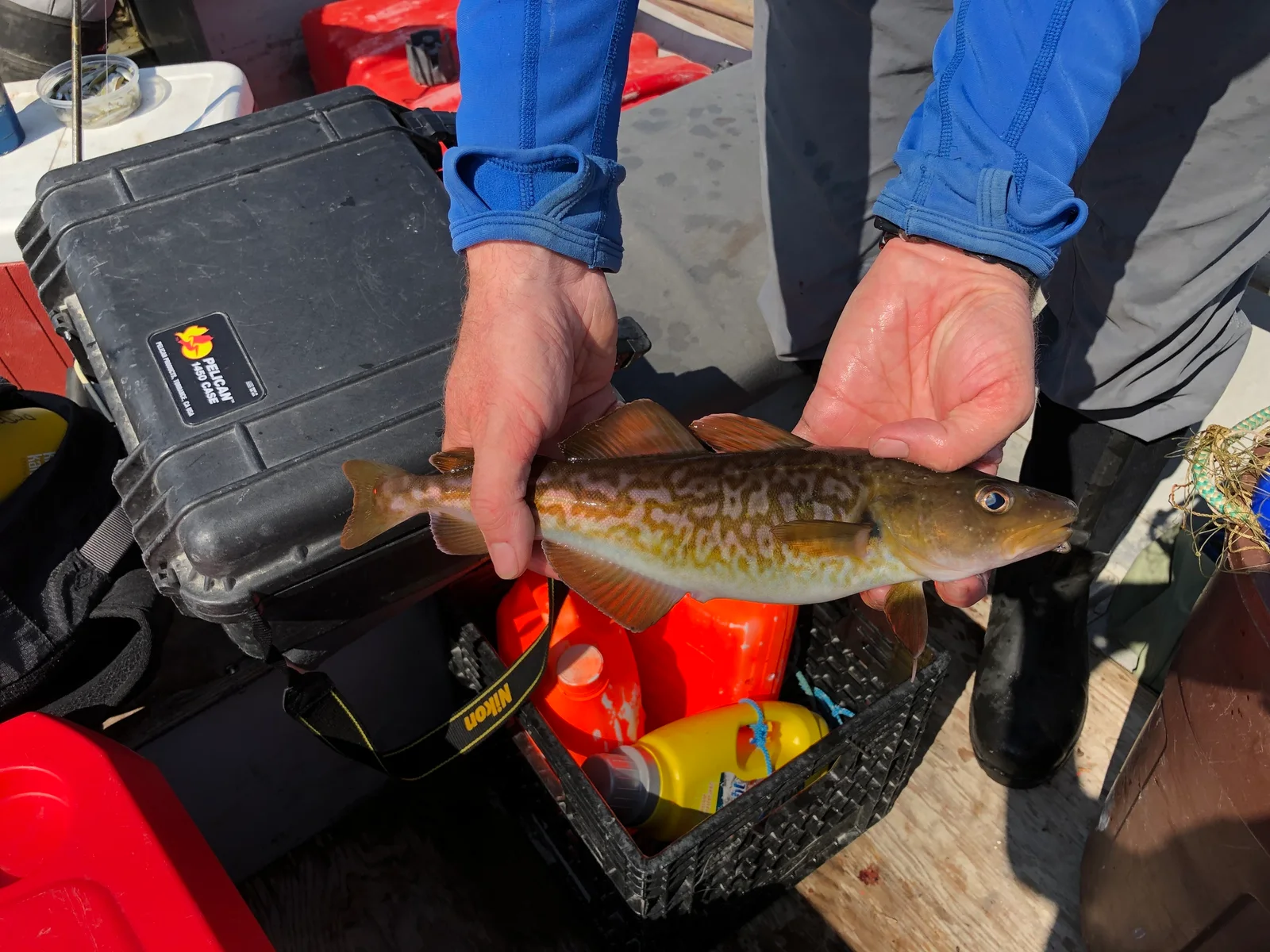
Pacific cod
Pacific cod is a cold-water gadid of the North Pacific and Arctic, from the Chukchi and Beaufort seas across Arctic Canada to Greenland, and south to Japan, Korea and the Yellow Sea. It lives from 10 to 1,280 m in water of 6 to 9 °C, reaches 119 cm and 22.7 kg, and feeds on crustaceans, fish and worms. Boat bottom fishing is the usual approach, with the season running January to June.
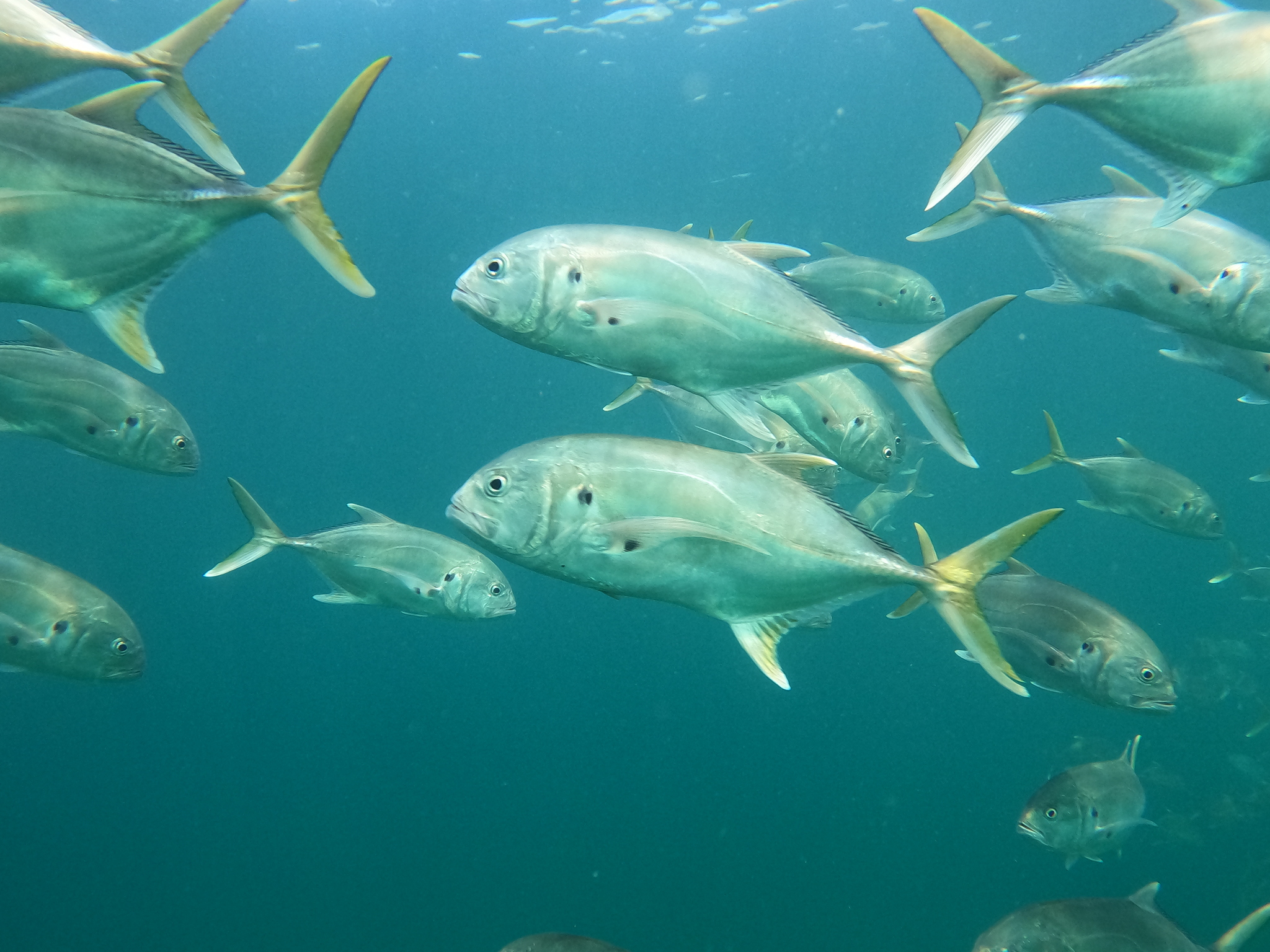
Pacific crevalle jack
The “estuary” in a species account is not a single place. For this fish it is a line that runs from river water through brackish channels to coastal schools and then to the edge of the shelf, and the same species occupies different points on that line at different ages. This article follows the salinity and depth gradient rather than treating “brackish” as a habitat label.
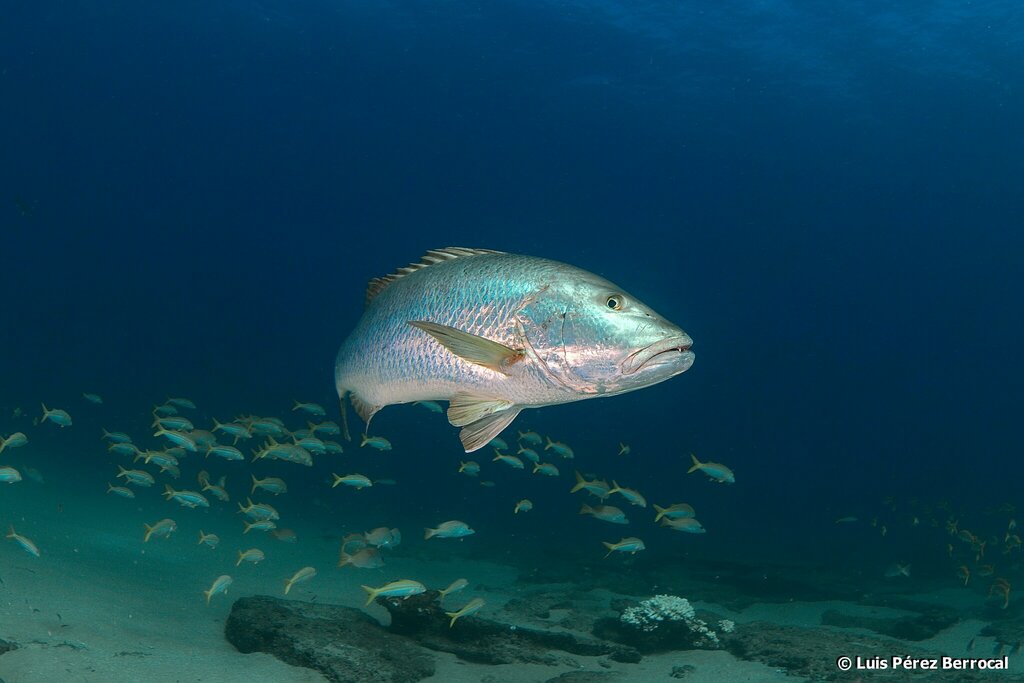
Pacific dog snapper
The two numbers that should not belong to the same fish are 170 cm and five to twelve metres. One hundred and seventy centimetres is a maximum length; five to twelve metres is the usual depth band. A fish of that size living in water that shallow is not an offshore animal with a shallow accident; it is a shallow-water animal with a very large maximum.
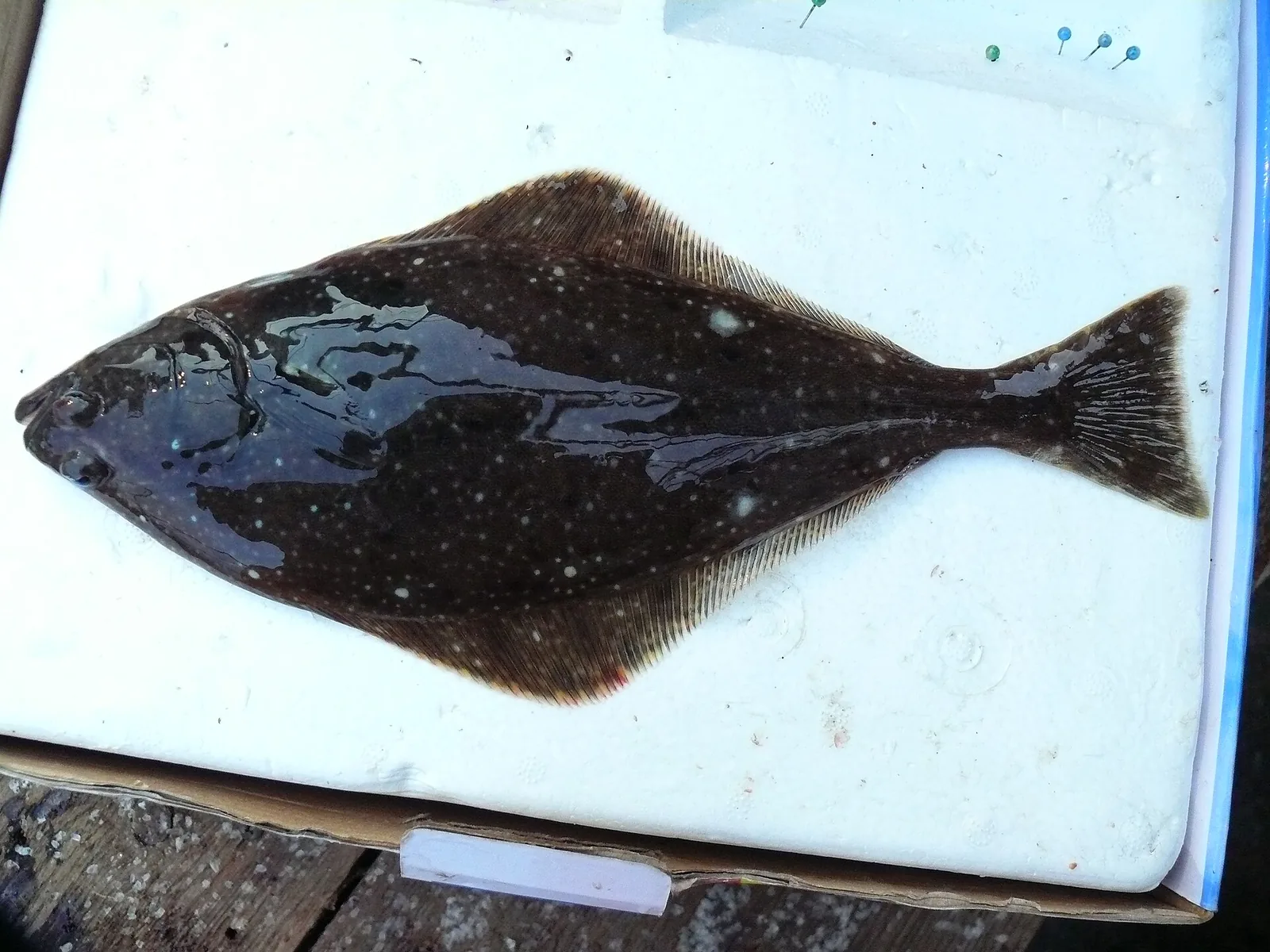
Pacific halibut
Pacific halibut is a flatfish that refuses flatfish habits: recorded from 0 to 1200 m, demersal and oceanodromous, reaching 258 cm, 363 kg and 55 years. The depth field explains why two boats on the same coastline get completely different results — one is fishing the shelf, the other the slope. Match gear and bait to the depth band you are actually on.
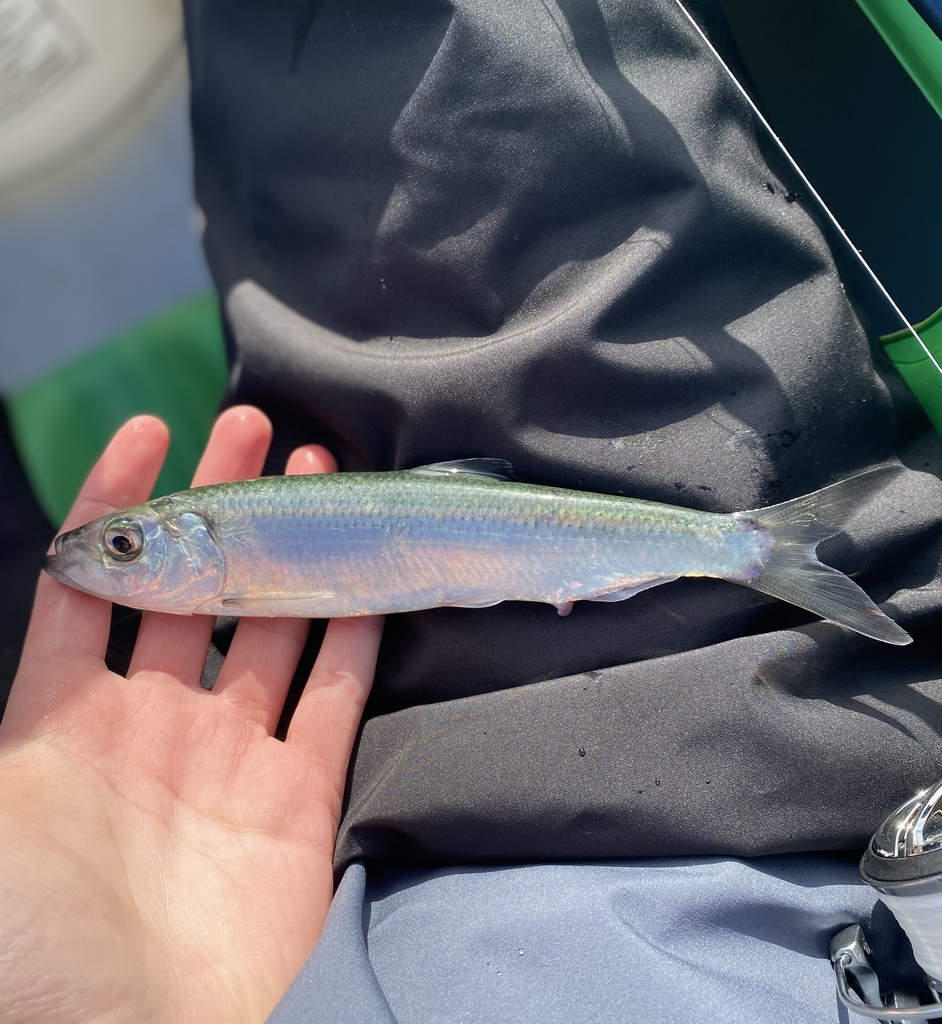
Pacific herring
Pacific herring is a clupeid of the North Pacific and Arctic, from the White Sea eastward to Queen Maud Gulf in Nunavut. It lives from the surface to 475 m in temperate water, reaches 46 cm TL, can live 19 years, and feeds on crustaceans and fish. It is recorded from December to June and again in September.

Pacific ocean perch
Dorsal fin with 13 spines and 14–17 soft rays, anal fin with 3 spines and 6–9 soft rays, and 26 vertebrae. Head spines are weak and the coronal spine is absent; the lower jaw is long and carries a forward symphyseal knob. Colour is bright to light red with dark dorsal markings, sometimes dark stippling on the sides and a dark blotch on the caudal peduncle.

Pacific red snapper
Pacific red snapper is a coastal reef lutjanid of the eastern Pacific, from Mexico to Peru. It lives shallower than 40 m in tropical water, reaches 95 cm TL and 5.8 kg, and feeds on fish. Its recorded season is April and September.
Pacific sand sole
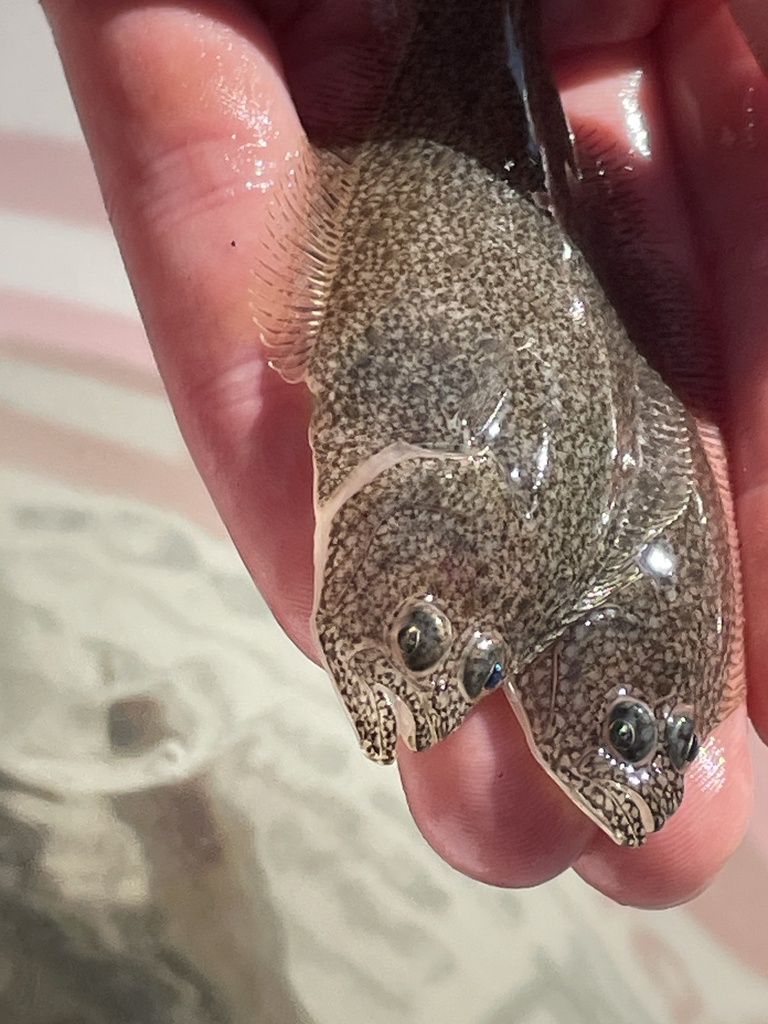
Sand sole is a right-eyed flounder: both eyes on the right side, a flat body that all but disappears against sand. It is not a fish you find by sight, and the fishing follows from that. A bait that moves slowly along the bottom beats any clever action. California and federal rules both put it in a general flatfish bag, and the federal Other Flatfish category carries no size limit.
Pacific sardine
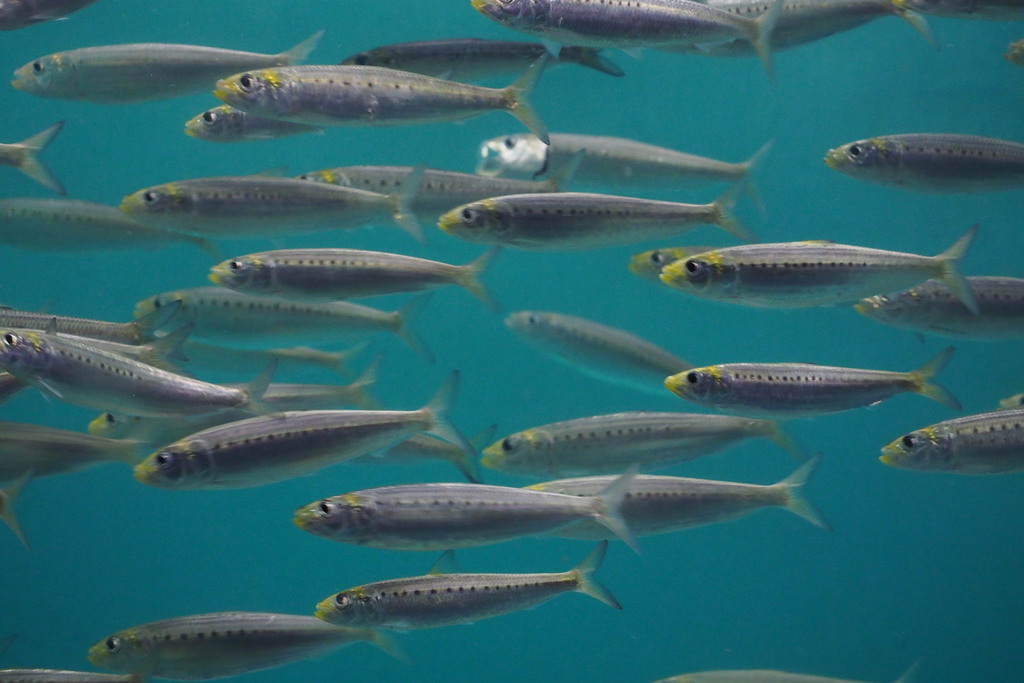
Pacific sardine is a small surface herring of the Indo-Pacific, from southern Africa across to the eastern Pacific. It lives in the top 200 m of water between 9 and 21 degrees C and feeds on crustaceans, small fish and zooplankton. Adults reach 39.5 cm SL and 0.486 kg, and the species can live 25 years. It is present year-round, and because the school itself is the target there is no bottom or structure to read.
Pacific seabream
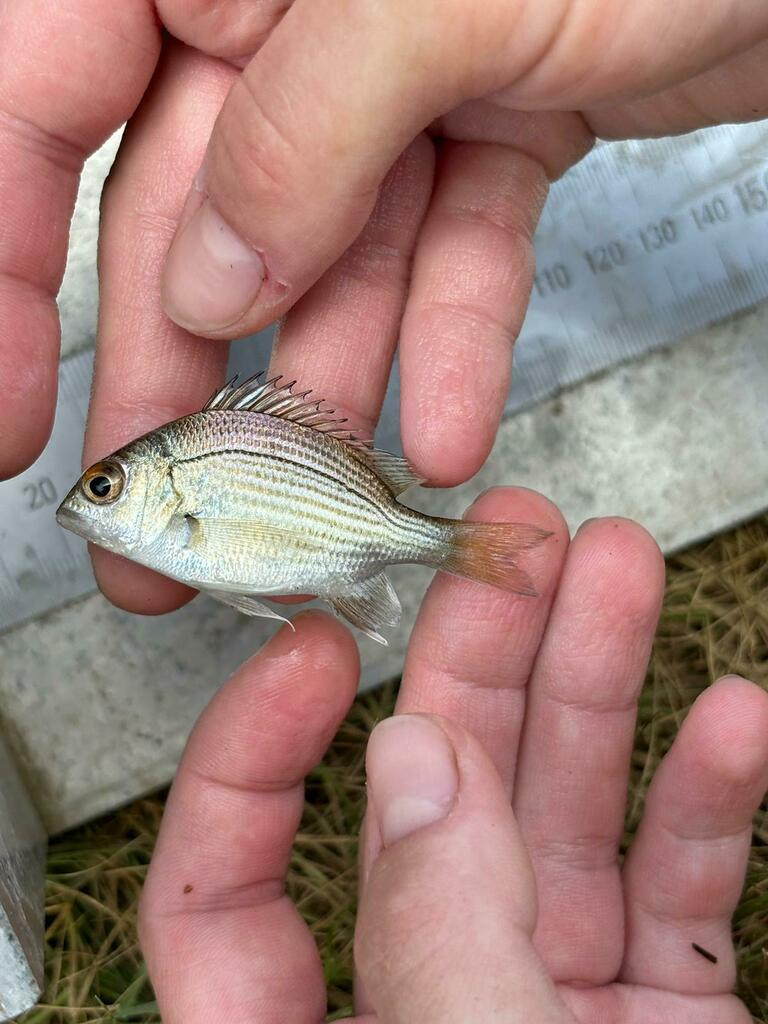
Pacific seabream is an estuarine and inshore sparid of the western Pacific, recorded from southern Japan south to Australia and east through the western Pacific islands. It enters river mouths, tidal creeks and sheltered bays, and also works rocky shorelines, which is why shore casters, rock anglers and small-boat fishermen all meet it. FishBase gives a maximum of 50 cm standard length and 34.8 cm for females, with maturity from about 21 cm.
Pacific sierra
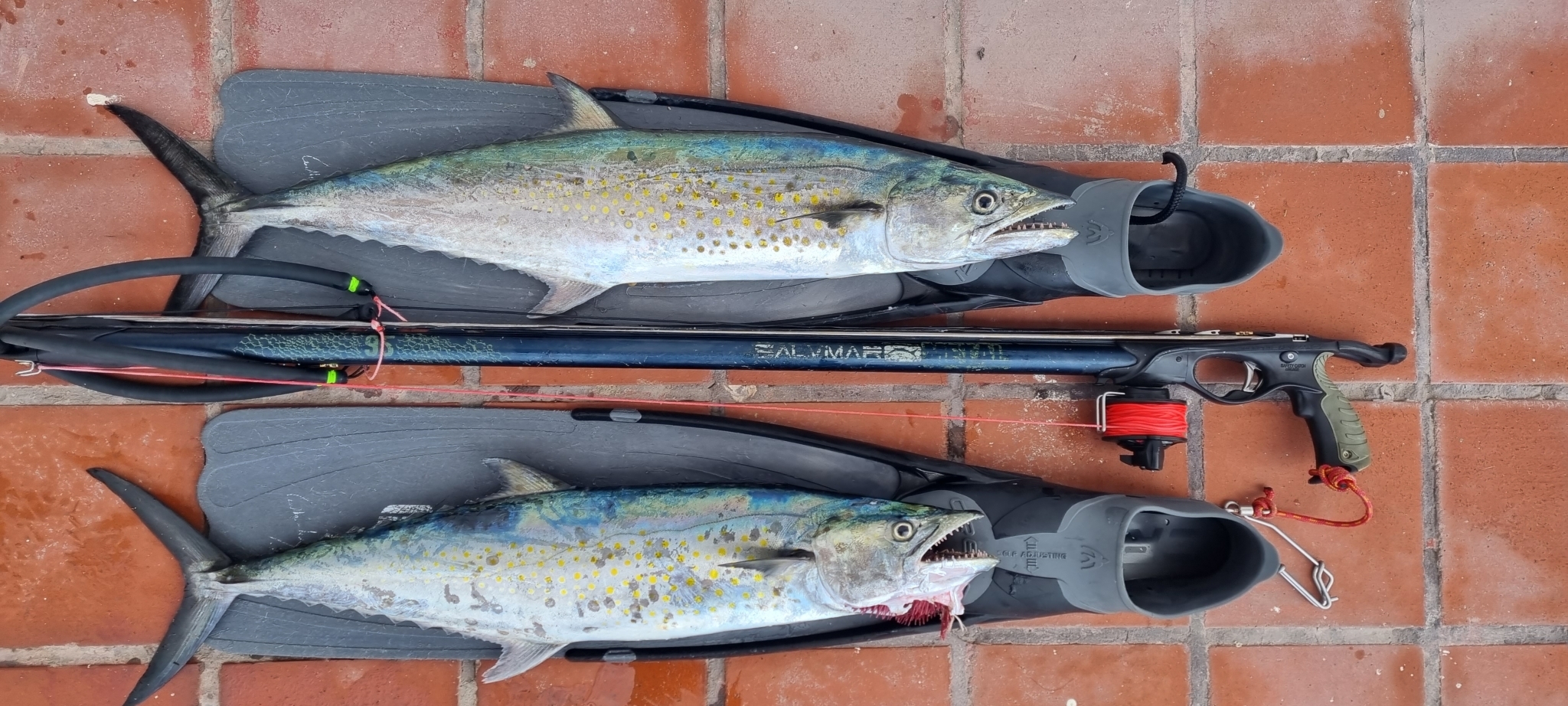
Pacific sierra is a slim scombrid of the eastern central Pacific, from La Jolla in southern California down to the Galapagos and Paita in Peru. It works 10 to 60 m in tropical water, moving in schools that chase bait, and feeds on fish. Adults reach 99 cm FL and 8.2 kg. The season runs January to April and July to December, with May and June the gap.

Pacific threadfin
The name comes from the pectoral filaments: there are six, and the tip of the uppermost reaches to, or slightly past, the rear tip of the upper pectoral fin. The body is uniformly golden silver, sometimes with several faint dark stripes running along the scale rows above and below the lateral line. The build is short and deep rather than streamlined, and the cross-section is compressed.
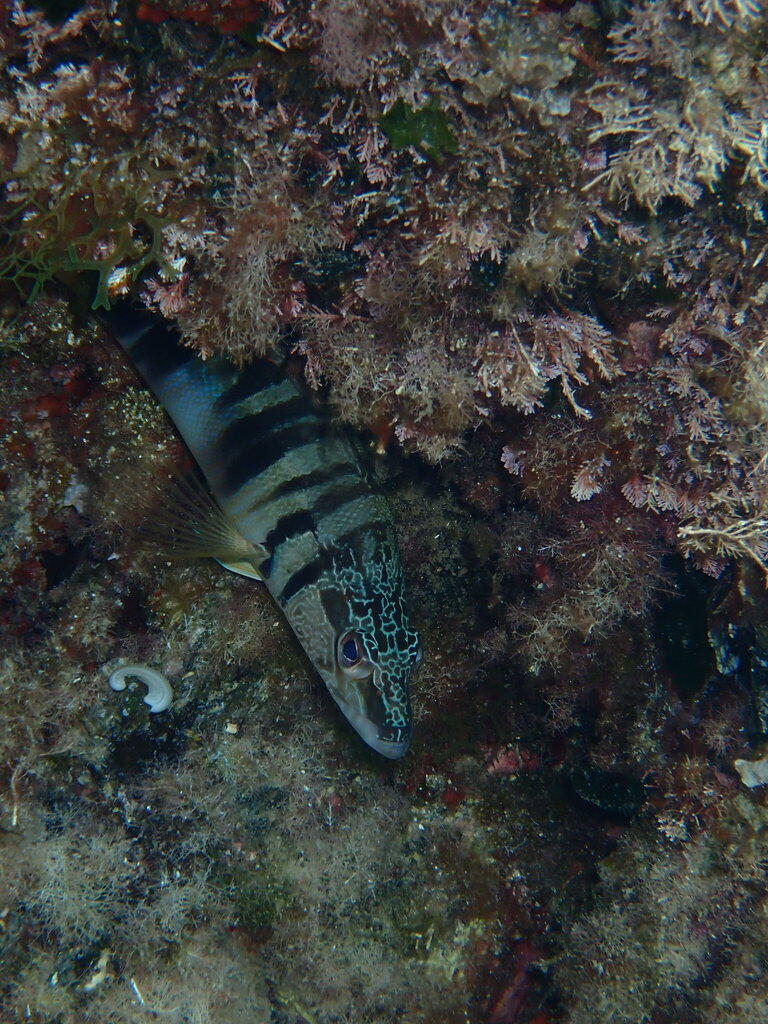
Painted comber
The painted comber is the small grouper stand-in that shore anglers meet on almost any rocky coast, but its markings look drawn on rather than grown. It is a simultaneous hermaphrodite, spawns from early spring into early summer, grows slowly and lives up to sixteen years. Treating it as a keepable grouper is the one mistake this species punishes.
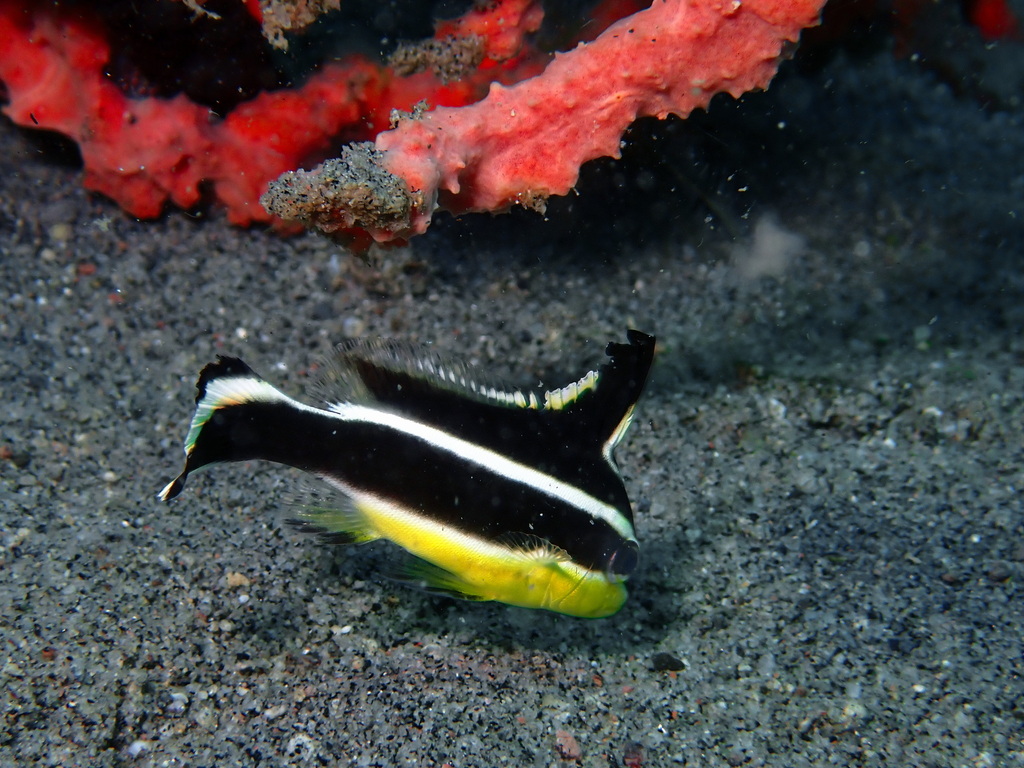
Painted sweetlips / Slatey sweetlips
Painted sweetlips is an Indo-West Pacific haemulid, from the Red Sea, Arabian Sea and Mozambique Channel east to Palau, north to Japan and south to New Caledonia. It lives on reefs, in bays and estuaries at 1–170 m, usually 1–50 m, with juveniles in weedy areas.

Palometa
Palometa is a small, deep-bodied carangid of the western Atlantic, from Massachusetts and Bermuda through the Gulf of Mexico and the Caribbean to Argentina. It is a shallow fish, recorded from 0 to 12 m, and reaches 50 cm TL with a common length of 35 cm and 560 g. May and June are the season. Shore casting with lures and lure fishing are the methods listed.
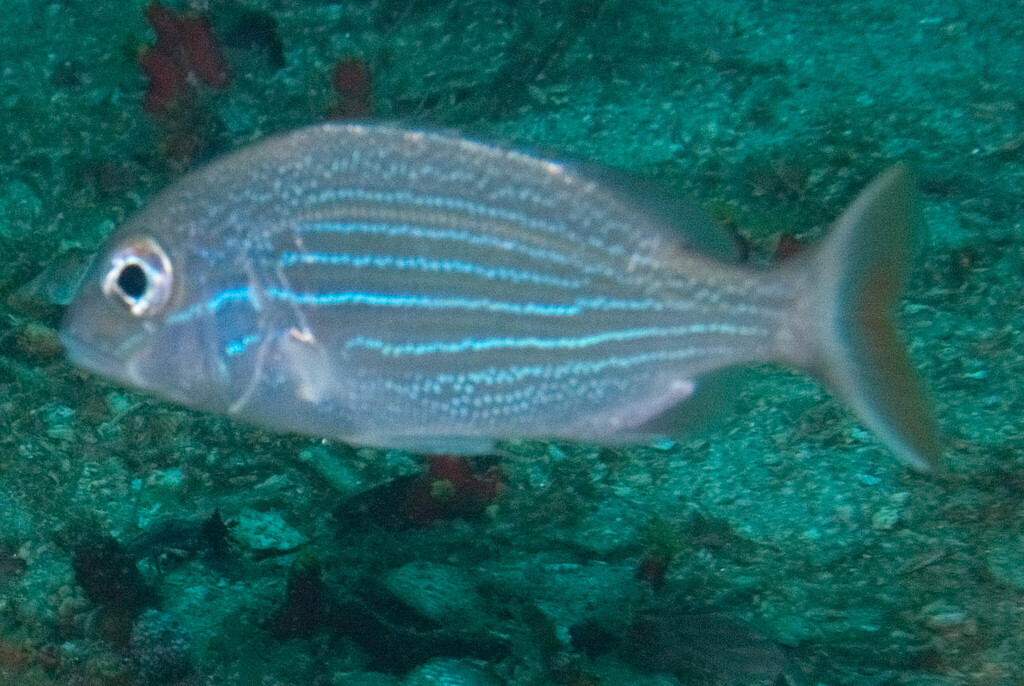
Panga
Panga is a sparid recorded from Namibia to Beira in Mozambique. It lives on soft bottom from 20 to 150 m, often in large schools, and feeds on benthic invertebrates. It reaches 45 cm TL with a common length of 27 cm and maturity at about 20.4 cm, and it supports a major trawl and linefishery. IUCN lists it as Least Concern. Drifting, boat bottom fishing and jigging are the methods listed.
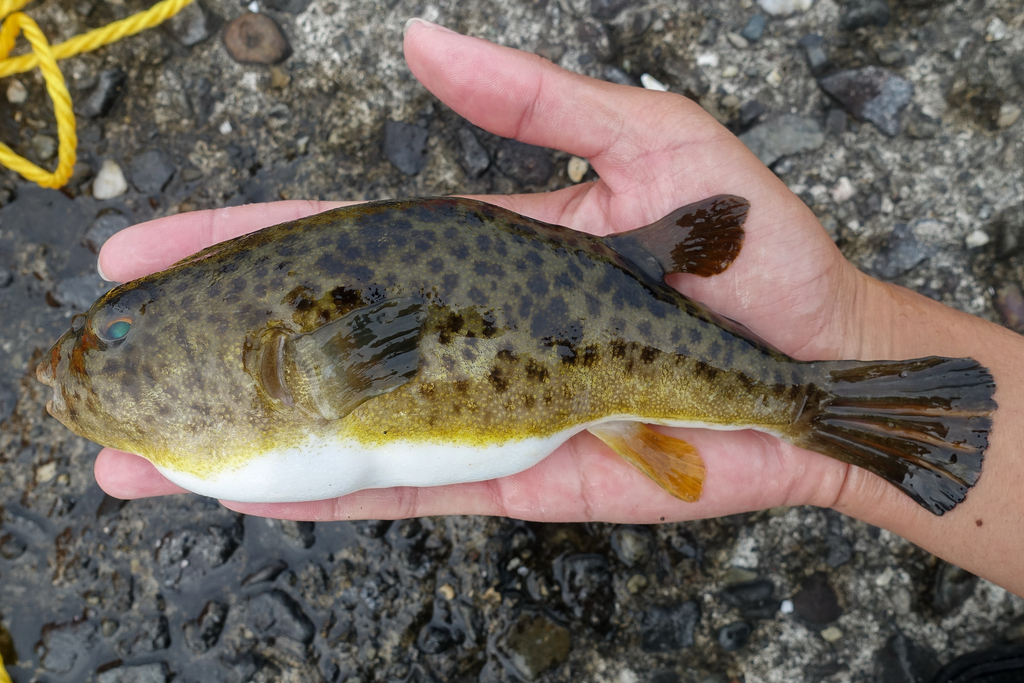
Panther puffer
The panther puffer is one of Japan's most eaten and most dangerous pufferfish, targeted by Tokyo Bay party boats in winter. Only the muscle is edible, and the fish is sold under local names that belong to other species. For anglers the point is identification and handling, not volume: keep it off the dinner plate unless it came through a licensed dealer.

Parona leatherjacket
Parona leatherjacket is a southwest Atlantic carangid, from southern Brazil to southern Argentina, and it is the only member of its genus. In Argentina it is sold as palometa. FishBase gives 60 cm TL as the maximum and 40 cm as the common length, but the larger figure is an assumption of one and a half times the common length rather than a measured fish. Boat fishing, shore casting and trolling are the methods listed.
Parore
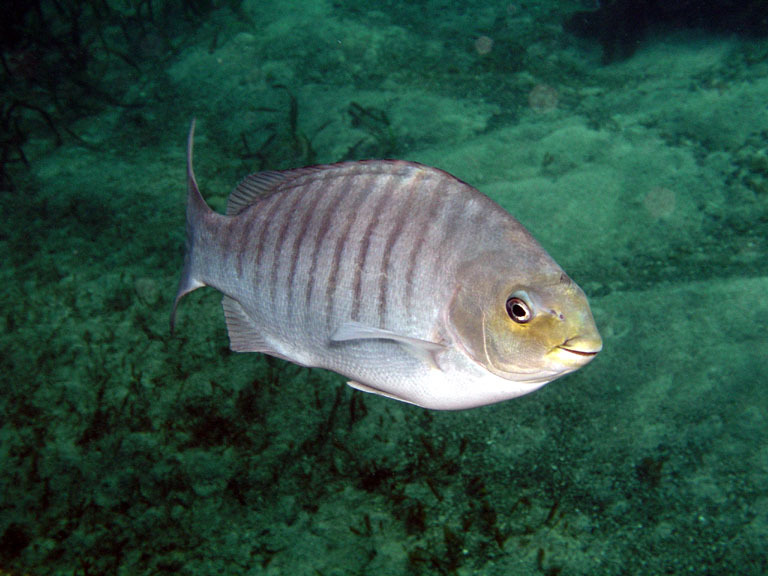
Parore is a dark, deep-bodied sea chub of southeastern Australia and New Zealand, found from the surface to about 20 m in temperate water. Its diet mixes fish and algae. Adults run to 71 cm FL and 4 kg, and a maximum age of 24 years makes it a long-lived inshore fish. Unlike many southern species it stays available right through the year.
Parrotfish
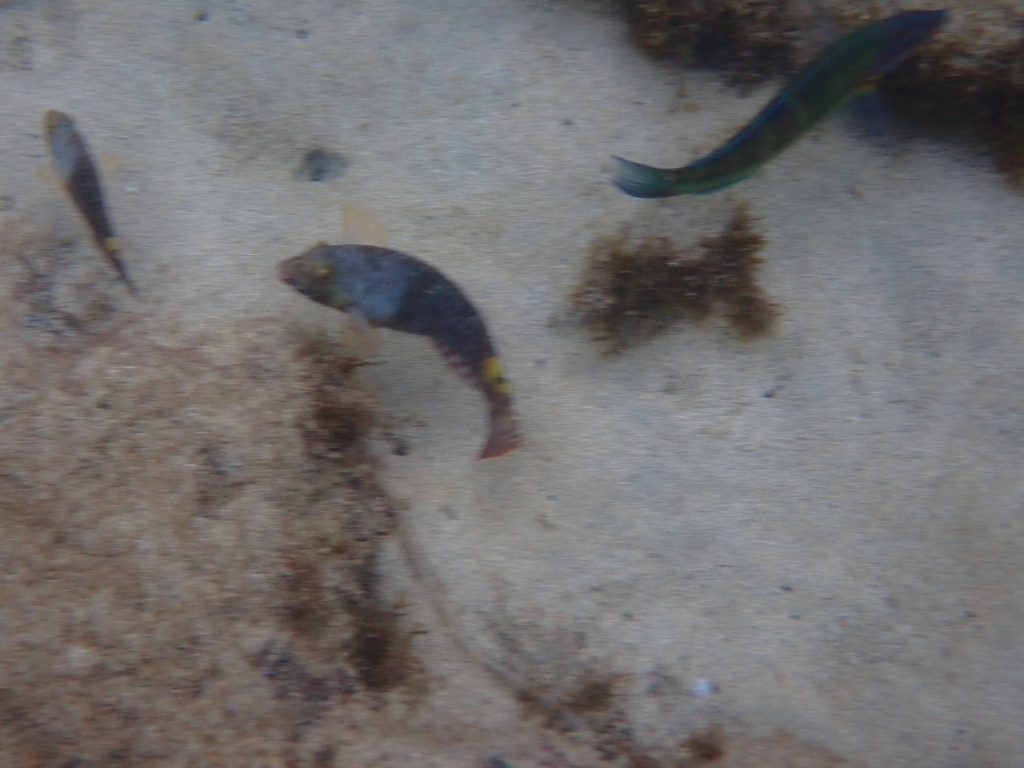
The Mediterranean holds one parrotfish, and its two colour phases look like two different species: red-brown females with grey blotches, grey-blue males marked in red and yellow. The same fused beak that scrapes algae will cut a leader. And the 22 cm rule that exists for the Canary Islands does not travel to the Mediterranean.
Patagonian flounder
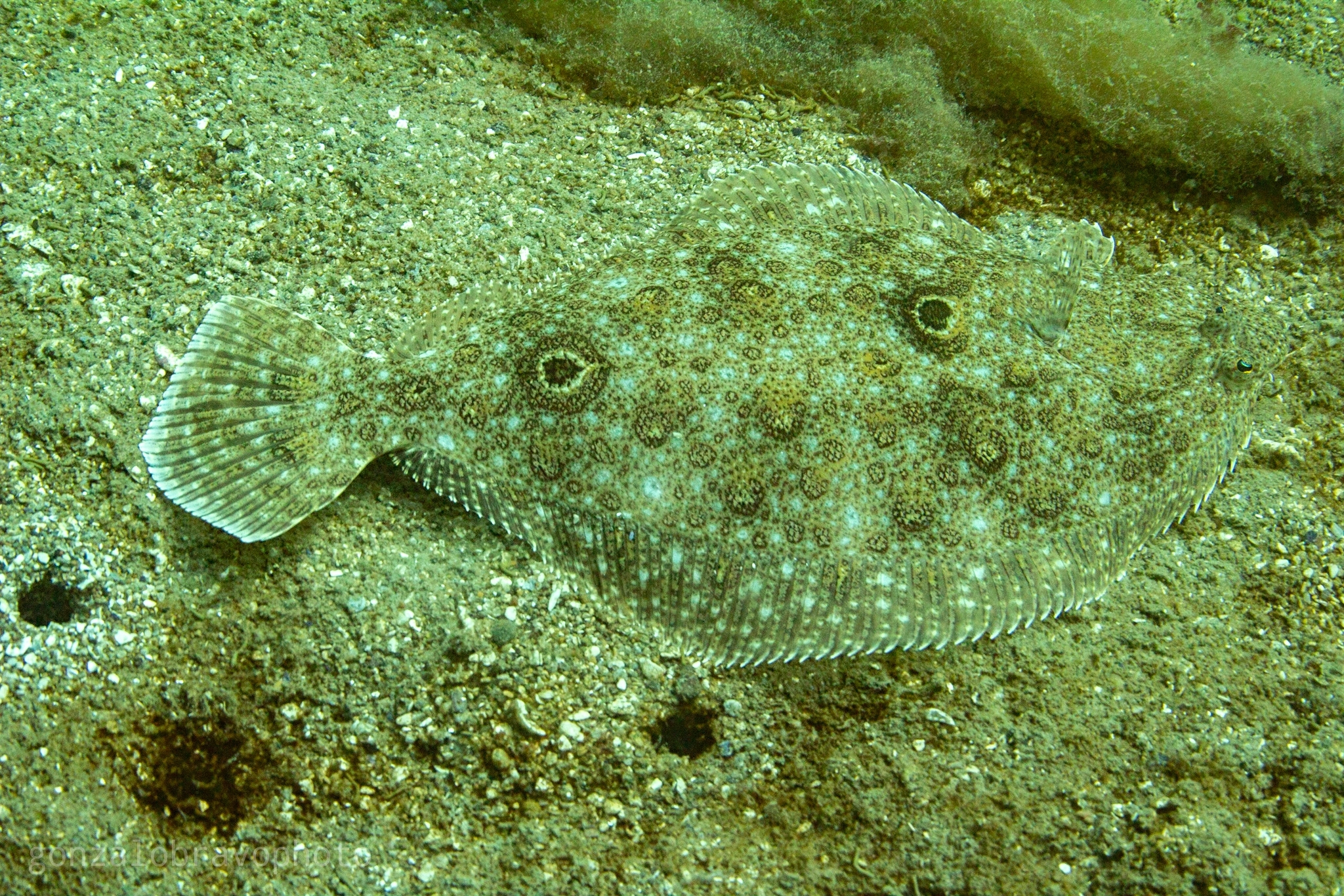
Patagonian flounder is a large-tooth flounder of the southwest Atlantic, listed from Rio de Janeiro to Patagonia and separately from Chile. Males reach 48 cm TL and females 62 cm, with a common length of 40 cm and first maturity at 33.5 cm. It is recorded from 6 to 200 m. IUCN assessed it as Vulnerable in December 2019, and boat bottom fishing and shore fishing are the methods listed.
Peacock grouper
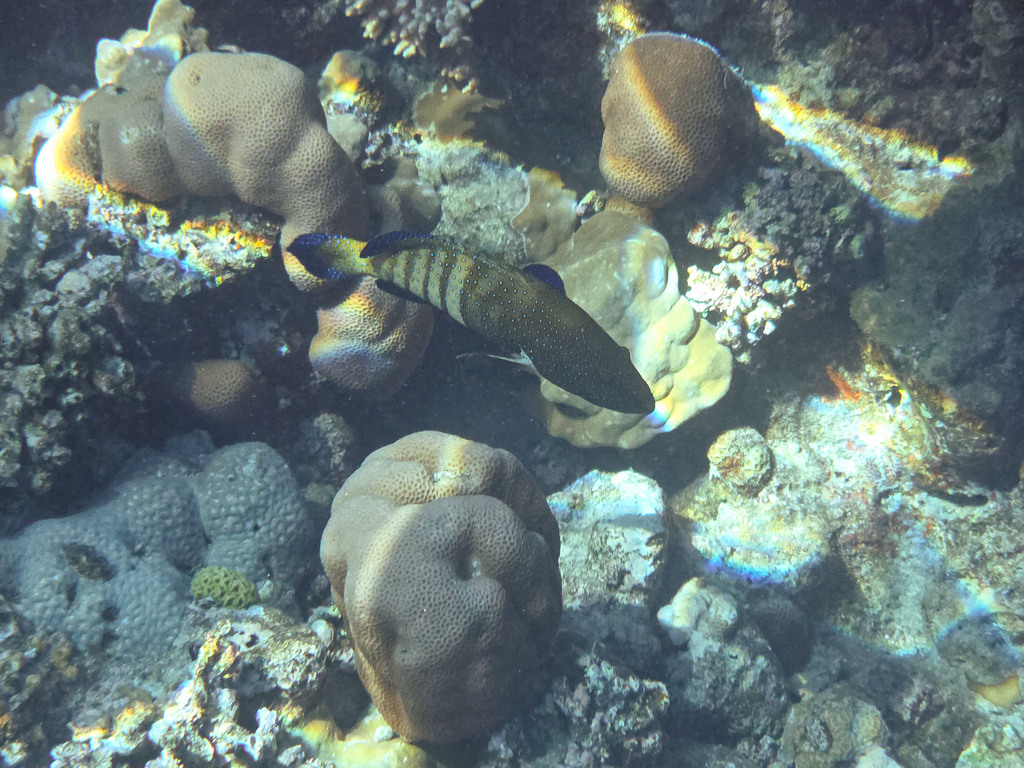
This grouper carries a Least Concern listing from 2017, a ciguatera warning, a commercial aquarium trade, and a climate vulnerability score of 72 out of 100. None of those labels is wrong and none cancels another. The contradiction is the useful part: a fish can be globally secure, locally prized, sold alive to a tank, and risky to eat, all at once.
Peacock wrasse
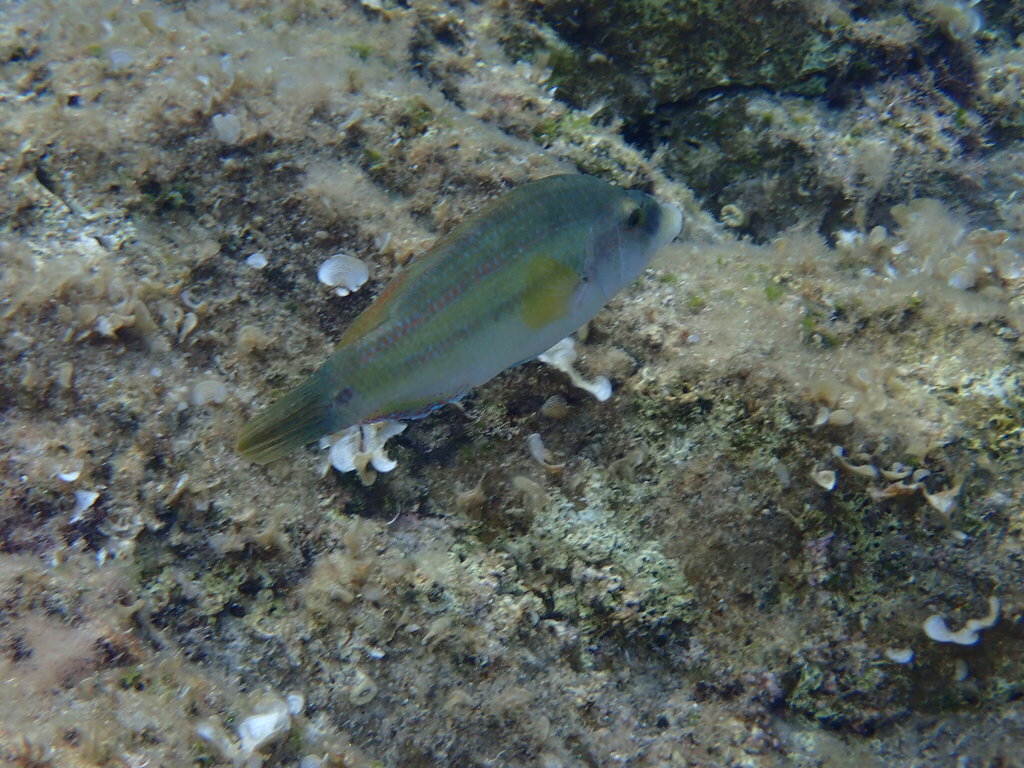
The peacock wrasse is a fish whose colour misleads: males, females and fish in different moods can look like three different species on the same reef. In the breeding season it becomes easier to identify, because males guard a nest built from seaweed and chase everything that comes near. Reading that behaviour beats memorising a colour plate.
Pearl-spot chromis
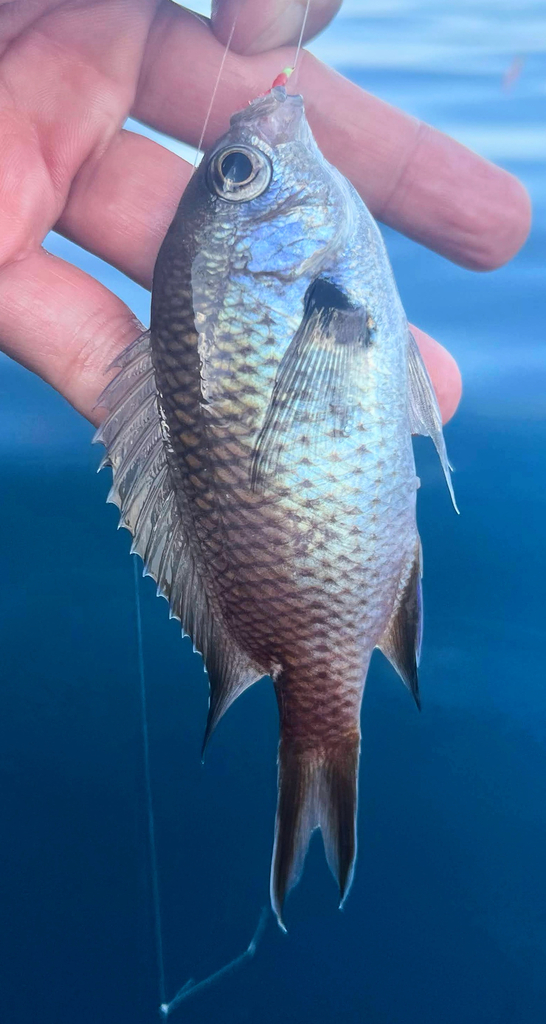
A small reef damselfish of the genus Chromis, and the only damselfish that overwinters in the Sea of Japan. It feeds on plankton above shallow rock in daylight, the male cleans a nest in summer, and Kyushu treats it as food while most of Japan treats it as an ornamental fish or a bycatch.
Pearly razorfish
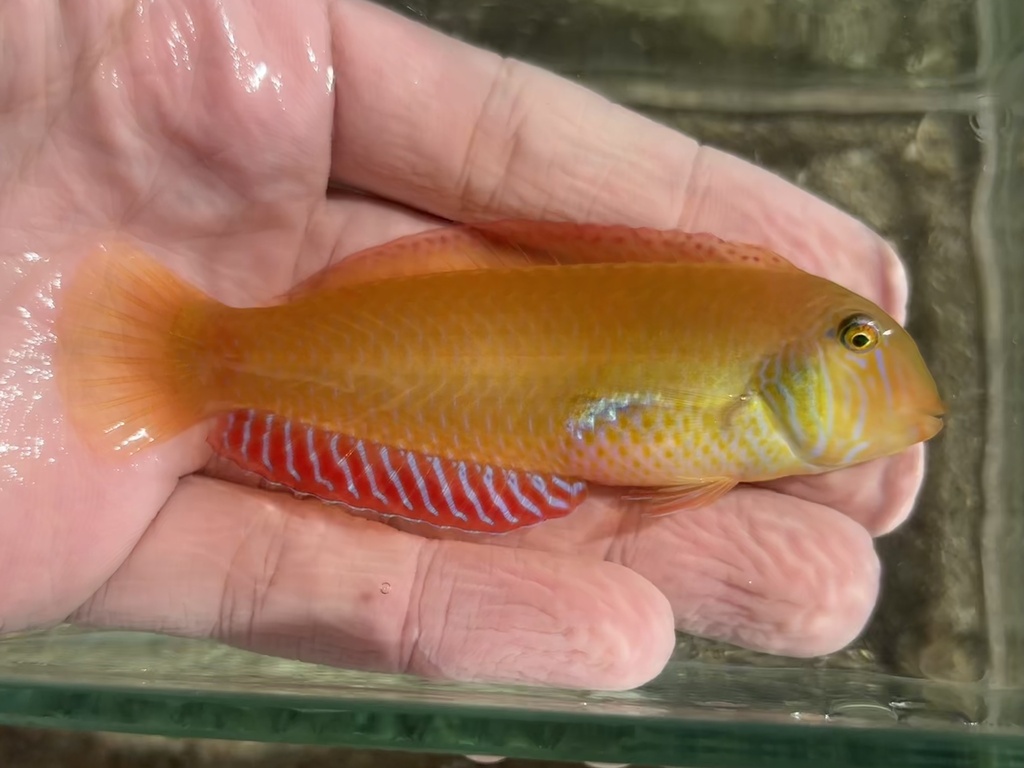
This fish turns escape into a single move: alarmed, it drives head-first into the sand, is gone inside two seconds, and leaves a small puff of silt hanging in the water. On open sand that reaction gives you no second attempt, so catching one is about the accuracy of the first cast rather than patience.
Permit
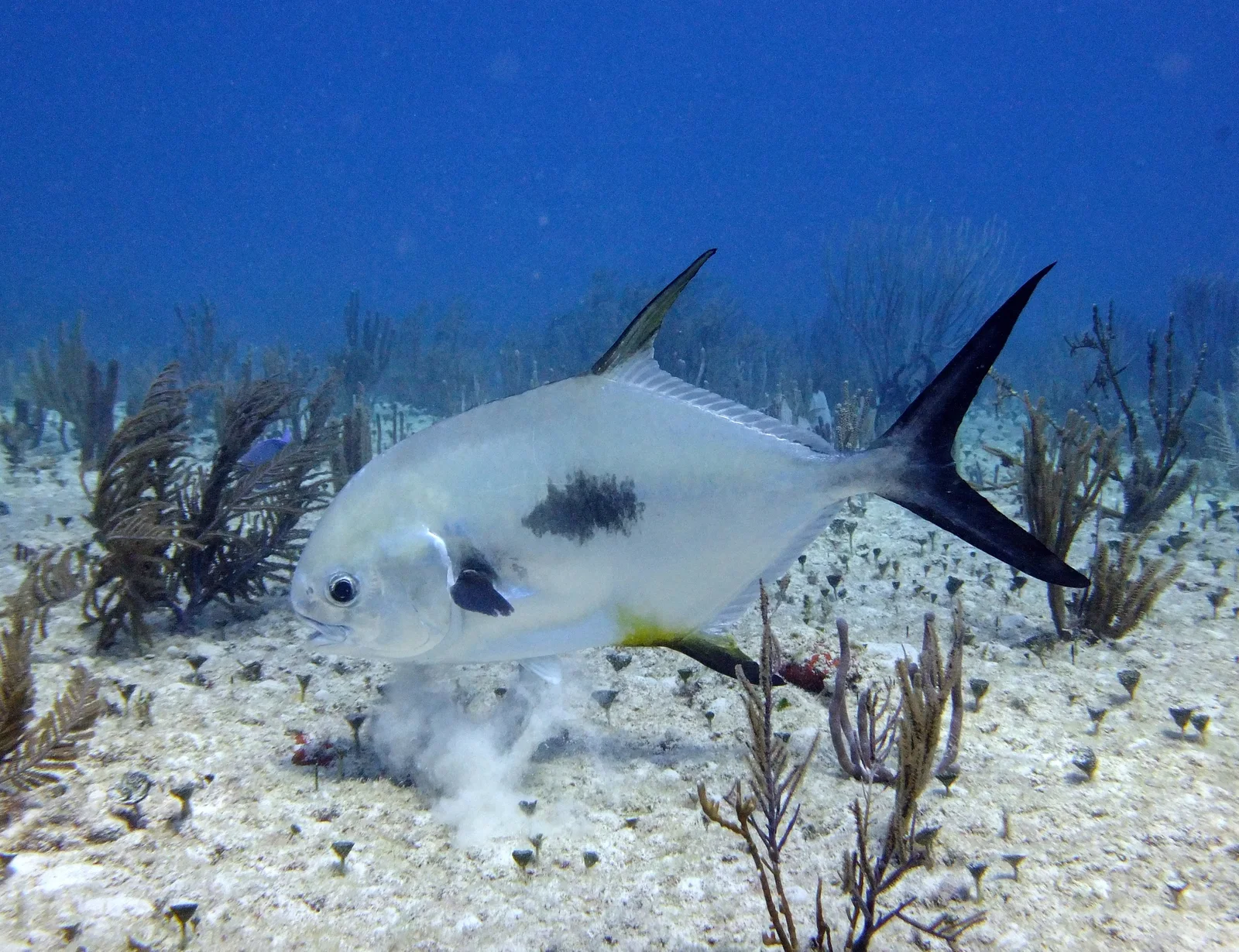
Permit is a carangid of the western Atlantic, from Massachusetts to southeastern Brazil, including the Bahamas and many West Indian islands. It lives from the surface to 36 m in subtropical water, reaches 122 cm FL and 36 kg, can live 23 years, and feeds on fish. Its season runs from May to December.
Peruvian corvina
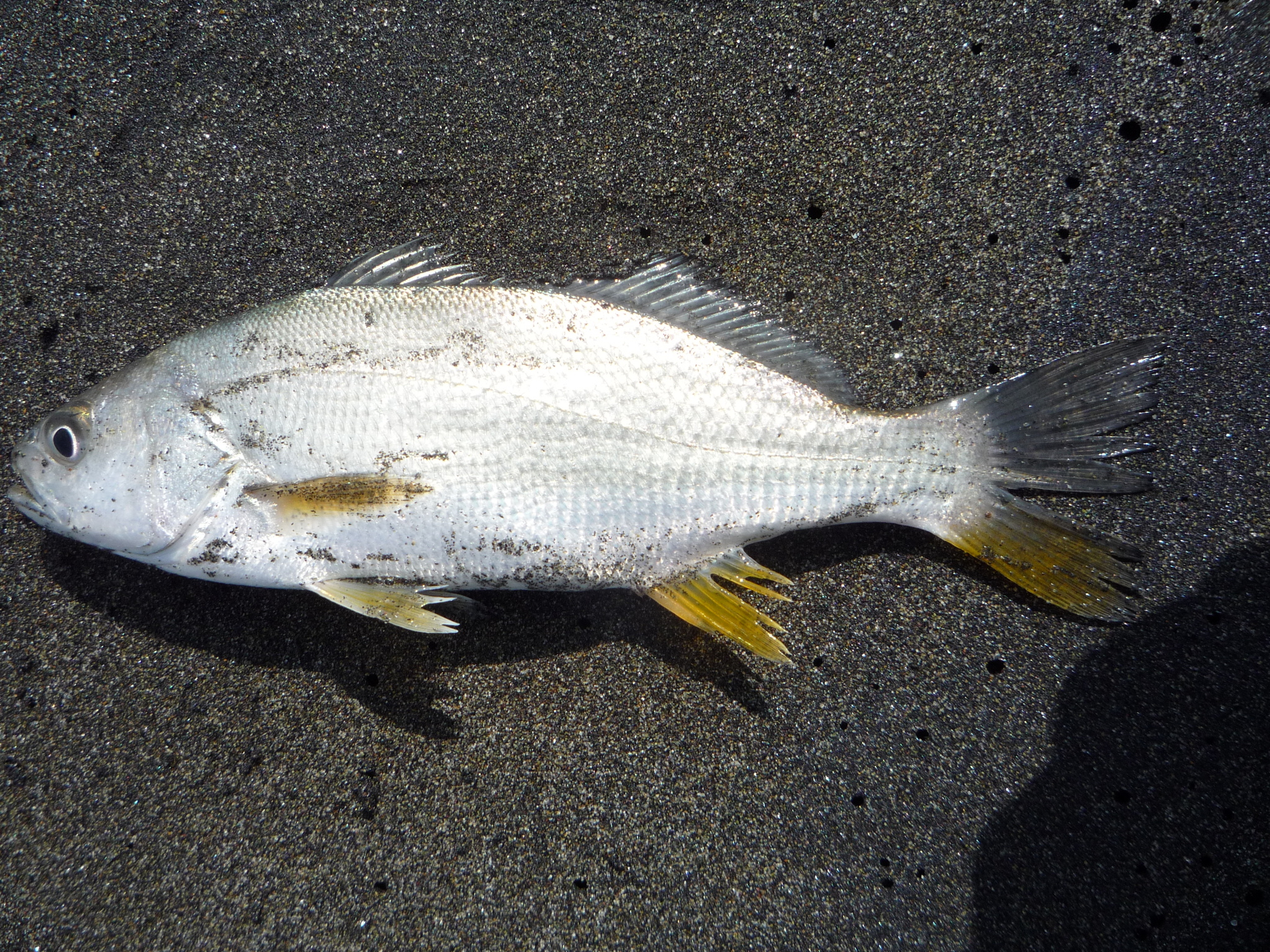
The Peruvian corvina reaches 92 cm TL, is the only species in its genus, and is a fish that South American markets treat as a prime table fish. The record is also thin in a specific way: no weight, no depth, no maturity length, no age.
Peruvian flounder
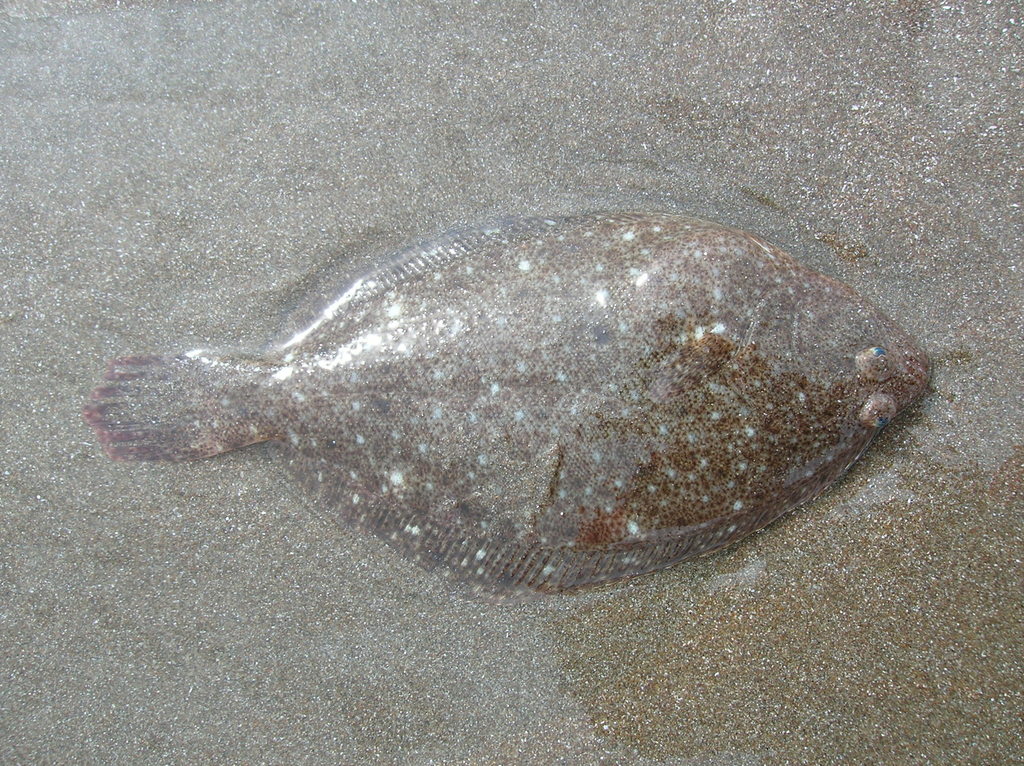
The Peruvian flounder is a 70 cm flatfish of soft continental-shelf ground, and its fin counts are the most useful identification data on the page. It lives shallower than the other four species here: 1–35 m. Records list maxima of 70 cm TL.
Peruvian grunt
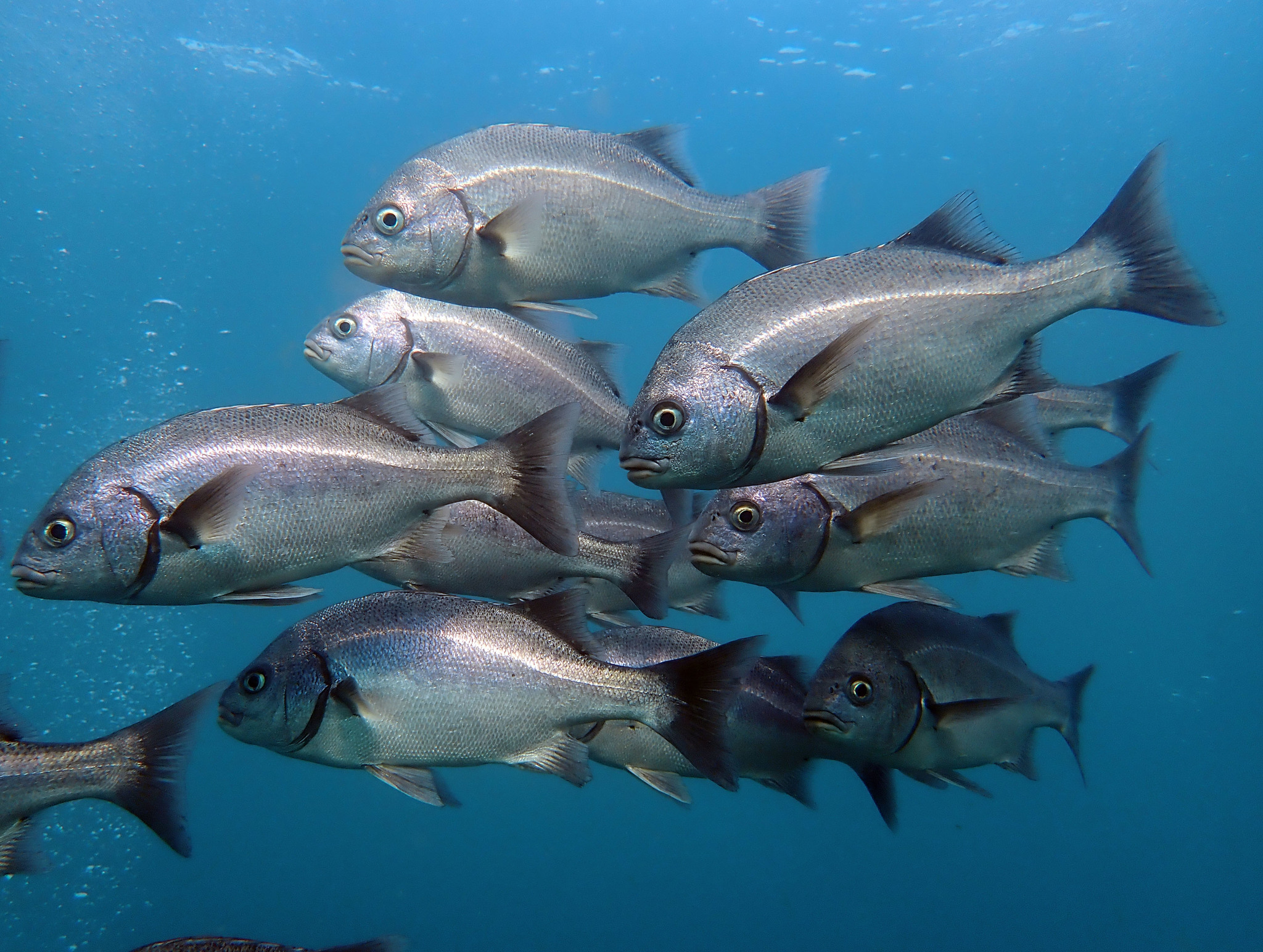
The Peruvian grunt is a 58 cm reef fish that normally sits in 3–12 m of water, and those two figures do more work than any other number on this page. The same record gives a maximum weight of 896 g, no common length, no maturity length and no age.

Peruvian mojarra
Peruvian mojarra is a small gerreid of the eastern Pacific coast, from Mazatlán in Mexico to Callao in Peru, including the Galápagos and most Central American coasts. It lives from 1 to 30 m in tropical water, reaches 35 cm TL and 0.472 kg, and feeds on fish.

Peruvian morwong
Peruvian morwong is a southeast Pacific fish recorded from Paita in Peru to Talcahuano in Chile. It reaches about 44 cm, though that figure is assumed from the genus average rather than measured, matures at about 24.6 cm and has a published weight of 1 kg. No depth band is recorded for it, so the entry rests on range and size more than on fishing detail.

Pescadilla de calada
Cynoscion guatucupa is the pescadilla of Argentina and the pescadilla de calada of Uruguay. Brazil lists it as maria-mole and pescada-olhuda, and the same fish is sold in Brazil under the label pescada-cambucu. In Brazil and Argentina, corvina means Micropogonias furnieri, and the two fish carry different size rules in the same ports.
Pharaoh cuttlefish
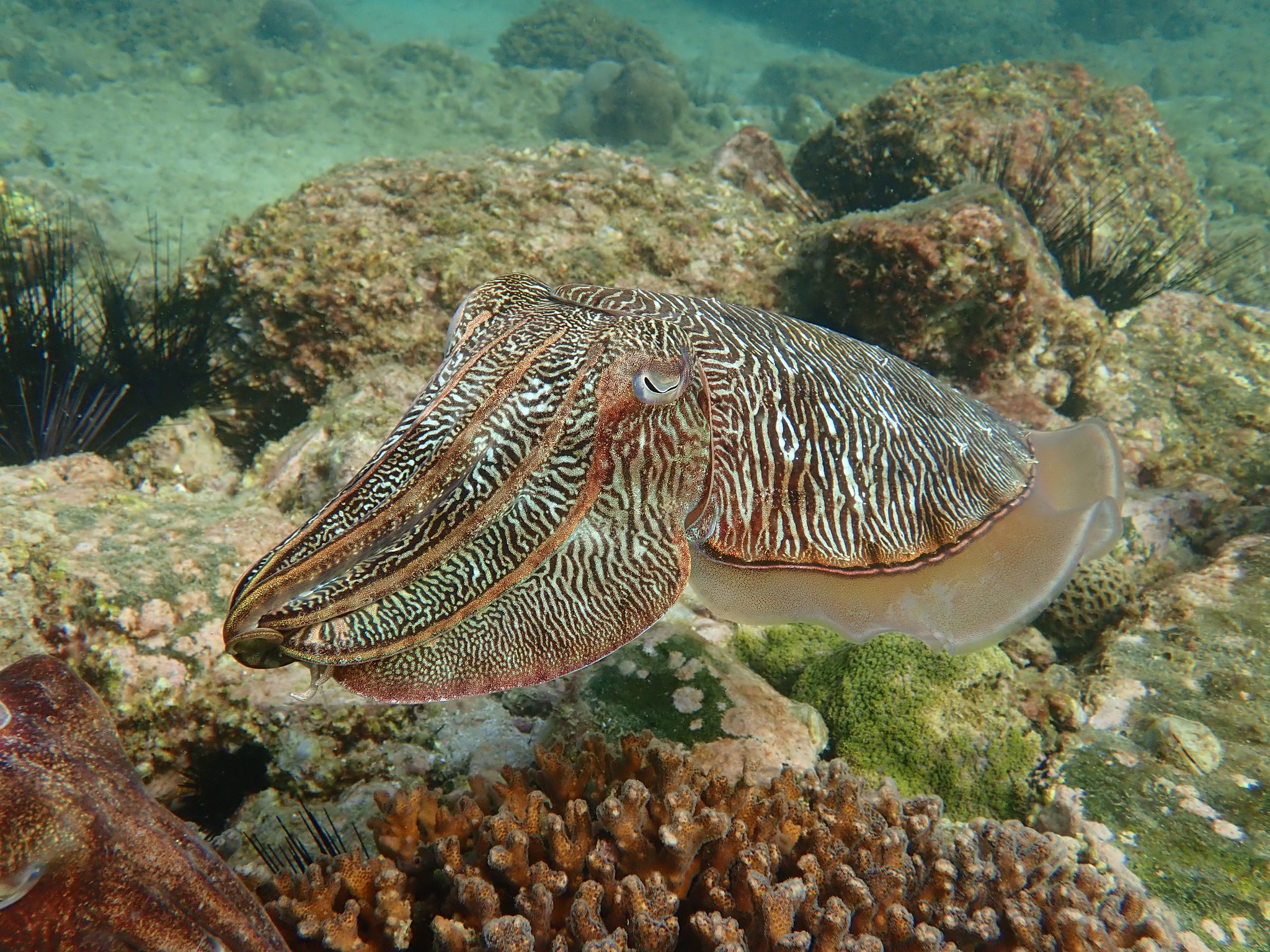
The size block gives 43.0 cm of mantle length in the male and unsexed entry, 5.0 kg as the maximum published weight, and 0–130 m as the full depth range. Those three numbers are easy to quote and almost useless on their own. A cuttlefish does not patrol a depth column; it works a substrate.
Picarel
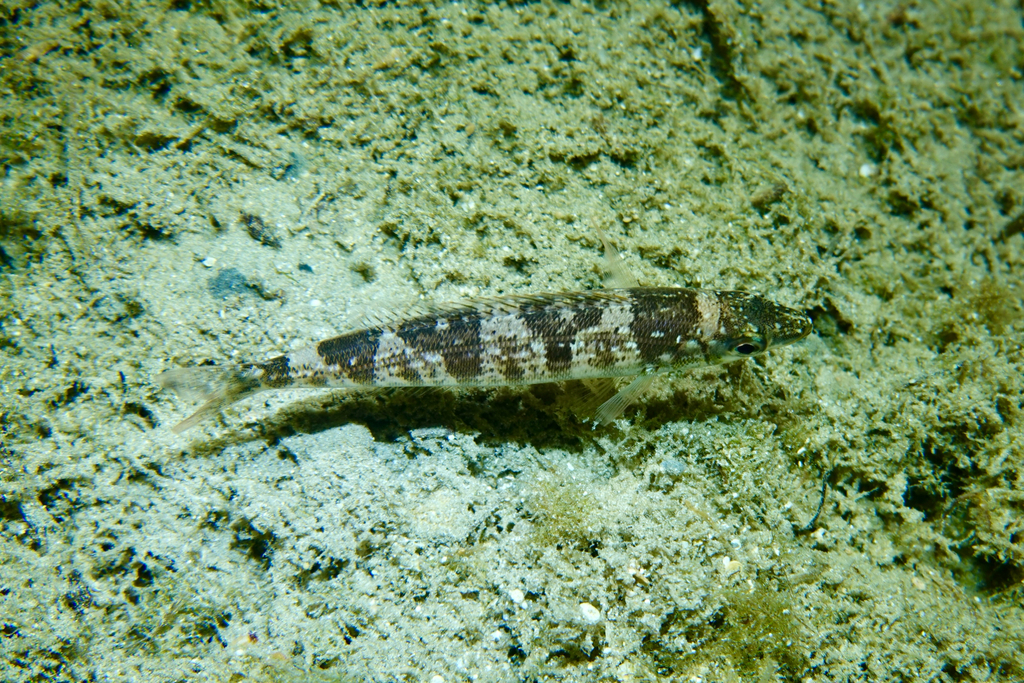
The picarel is small enough to end up in the bait bucket, yet it is one of the most heavily eaten links in the inshore Mediterranean food web: it schools, changes sex and feeds on almost anything small. Because it is treated as bait, decisions get sloppy, and the Greek and Croatian daily limits are counted by weight, bait included.
Pigfish
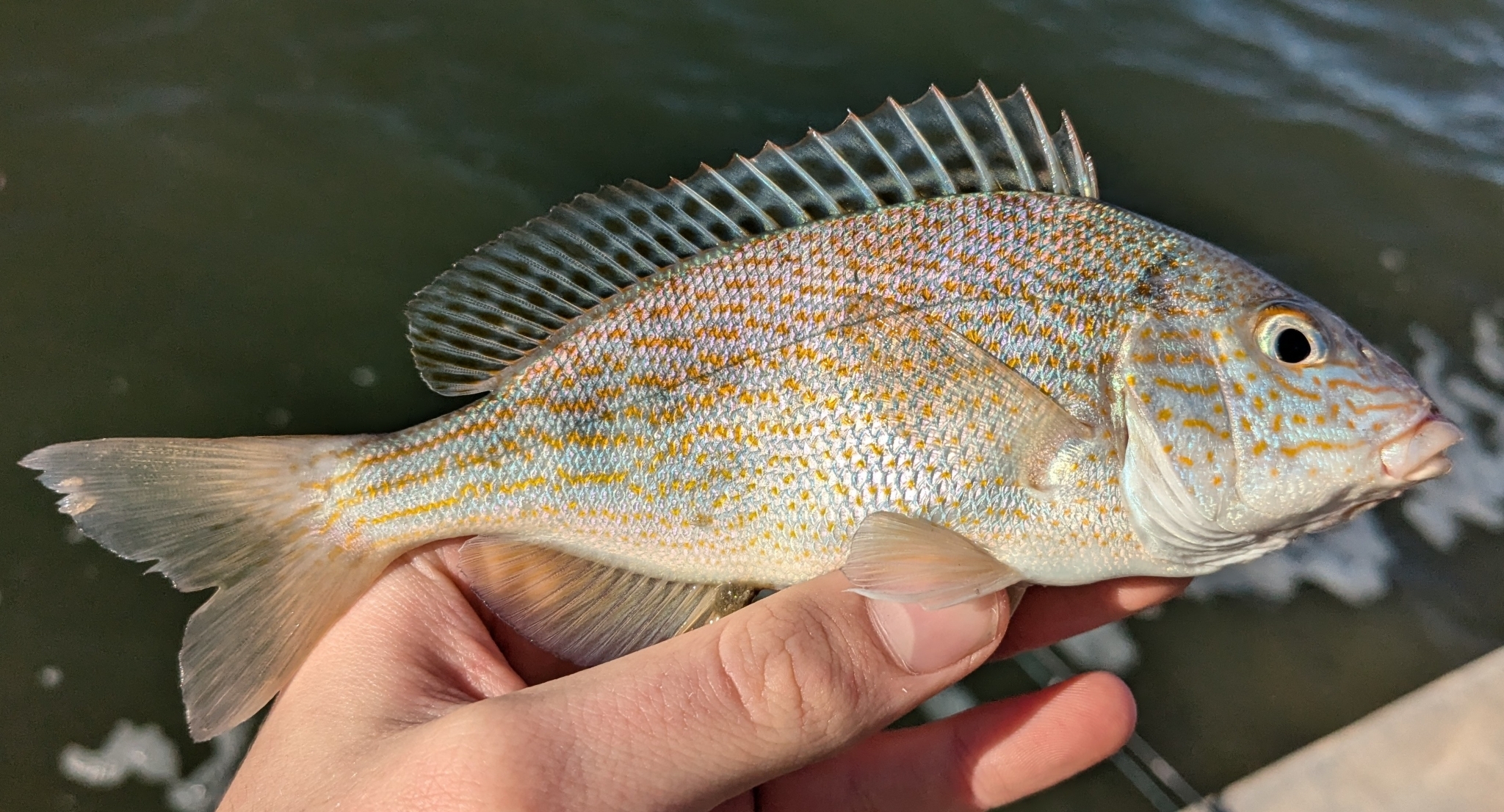
Pigfish is a small western Atlantic grunt, recorded from New York and Bermuda south to Mexico, including the Gulf of Mexico. It reaches 46 cm SL with a common length of 30 cm TL, 900 g and a maximum age of four years, and matures at about 20 cm. January to July is the season. Shore casting, boat bottom fishing and small hook rigs are the methods listed.
Pike-perch
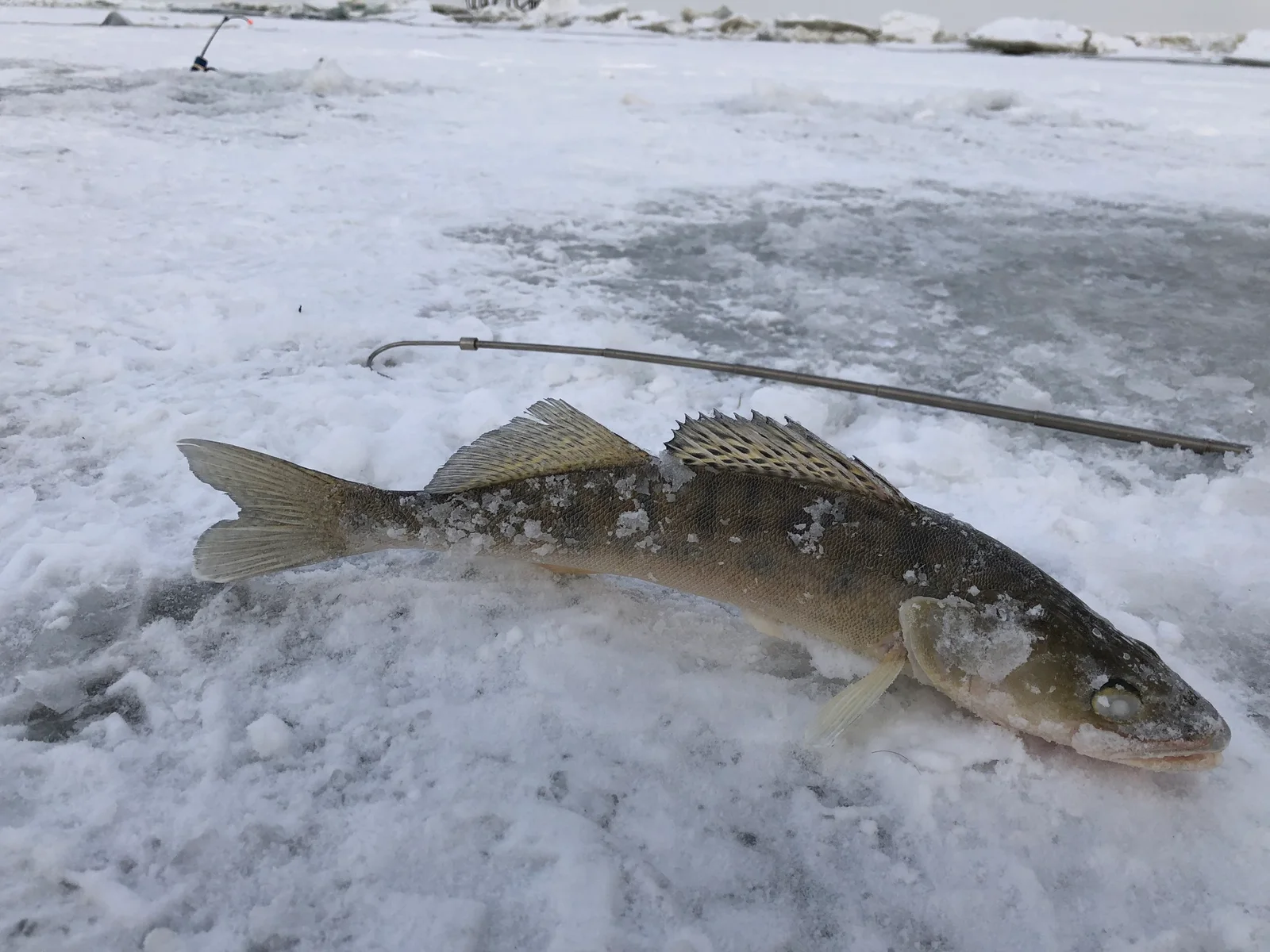
The pike-perch, or zander, is a large percid native to the Caspian, Baltic, Black and Aral Sea basins and now introduced well beyond them. A pelagic hunter of 2–30 m, usually 2–3 m, it feeds almost entirely on fish and tolerates 6–22 °C. FishBase marks it as both a commercial species and a gamefish.

Piked dogfish
Piked dogfish is a small, slender squaloid shark found around the boreal and temperate North Atlantic and elsewhere in cool water. It is blue-grey above with white spots and a white belly, recorded from the surface down to 1,978 m. It feeds on fish and prefers water of 7 to 15 degrees C. Adults reach 200 cm TL and 9.1 kg, and fish are recorded to 75 years old.
Pile perch
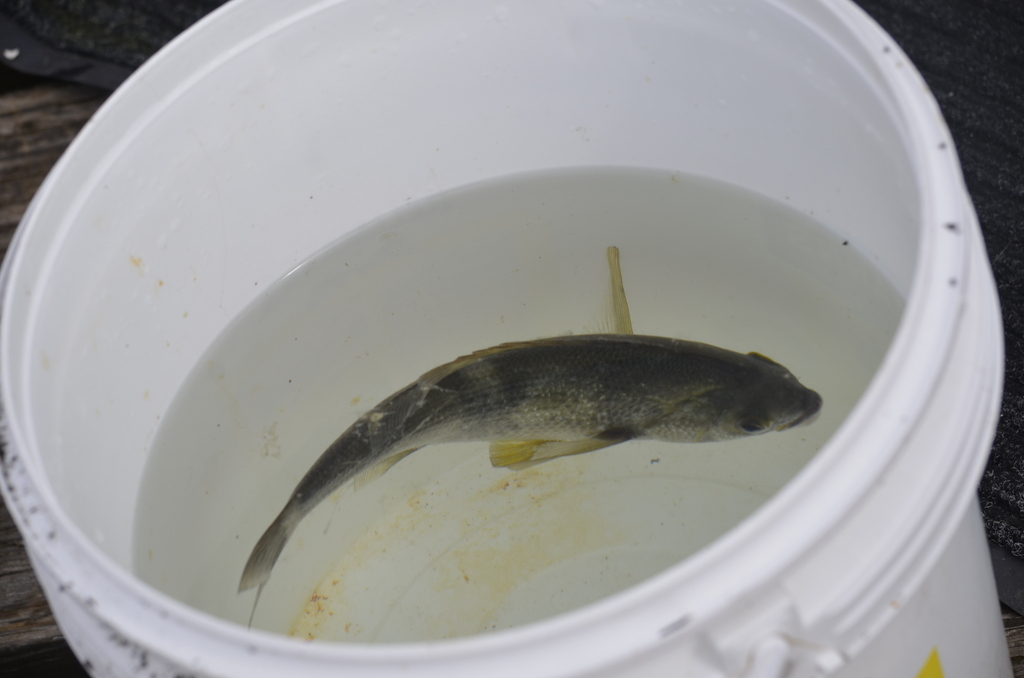
The pile perch is named for where it turns up most often: the pilings under a pier or beside a breakwater. It uses heavy lips and a short, powerful jaw to prise barnacles, mussels and crabs off the timber, which is also the best clue among the surfperches — silver to dark brown, a deep body, and a very small mouth. What separates it from a black surfperch is not size but silver and the set of the lips.
Pinfish
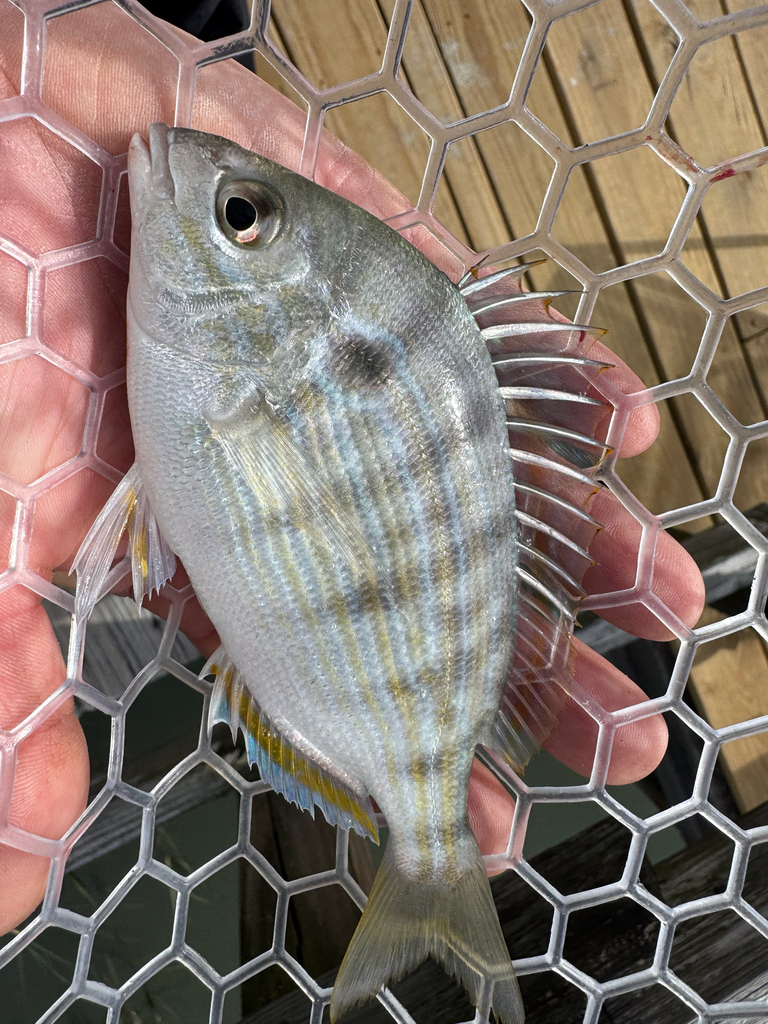
The pinfish is a small sparid of the western Atlantic and the only species in the genus Lagodon. FishBase records it from Massachusetts and Bermuda through the Gulf of Mexico to the Florida Keys and Yucatan, with a maximum length of 40 cm TL, a common length of 18 cm, a maximum published weight of 1.5 kg and a length at first maturity of about 13.1 cm.

Pink dentex
Across the Eastern Atlantic, from Portugal to Angola, Pink dentex represents the family Sparidae. This is a subtropical-water fish, recorded from 20 to 220 m. Adults run to 106 cm FL and 16.4 kg and prey on crustaceans, fishes and molluscs. The standard approach is boat bottom fishing or jigging. The season runs March to July.

Pink ear emperor
Walk through a fish market between the Red Sea and the Gulf and the odds are good that a pink-eared emperor is on ice somewhere: FishBase lists the species as highly commercial, with a common length of 40 cm total length against a maximum of 52 cm. That narrow gap is the first thing to notice.
Pink salmon
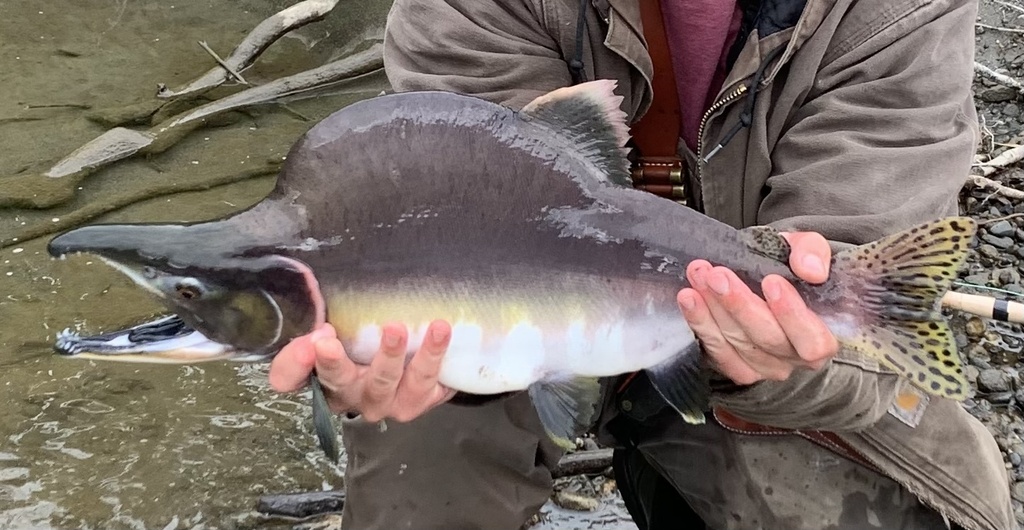
Pink salmon is the smallest of the Pacific salmon, running from the Mackenzie River delta in Canada down to the Sacramento drainage in California. At sea it is silver with a green-blue back, turning dark olive and blotchy once it enters fresh water. It is recorded from the surface to 250 m and grows to 76 cm TL and 7 kg. The season runs July to November, and it lives only about three years.

Pompano
Pompano is a carangid of the eastern Atlantic and Mediterranean, from the Bay of Biscay and, rarely, British and Scandinavian waters to Angola. It lives from 50 to 200 m in subtropical water, reaches 70 cm TL and 2.8 kg, and feeds on crustaceans and fish. Its season runs from February to November.

Poor cod
Poor cod is a small gadid of the northeast Atlantic and Mediterranean, from Trondheim Fjord and the Faroes down to Portugal and the Atlantic coast of Morocco. It works 1 to 440 m in temperate water on crustaceans, fish and worms. Adults reach 40 cm TL and live about five years. The season runs December through May, which is a winter and spring window rather than a full year.

Porbeagle
Porbeagle is a large, stout lamnid shark built for cold water, with centres of distribution in the North Atlantic and the temperate southern hemisphere. It tolerates a wide band, roughly 1 to 23 degrees C, and has been recorded from the surface down to 1,360 m. Fish reach 350 cm TL and 230 kg, feed on fish, and can live 65 years, which makes it one of the slower-growing sharks an angler might meet.
Pouting
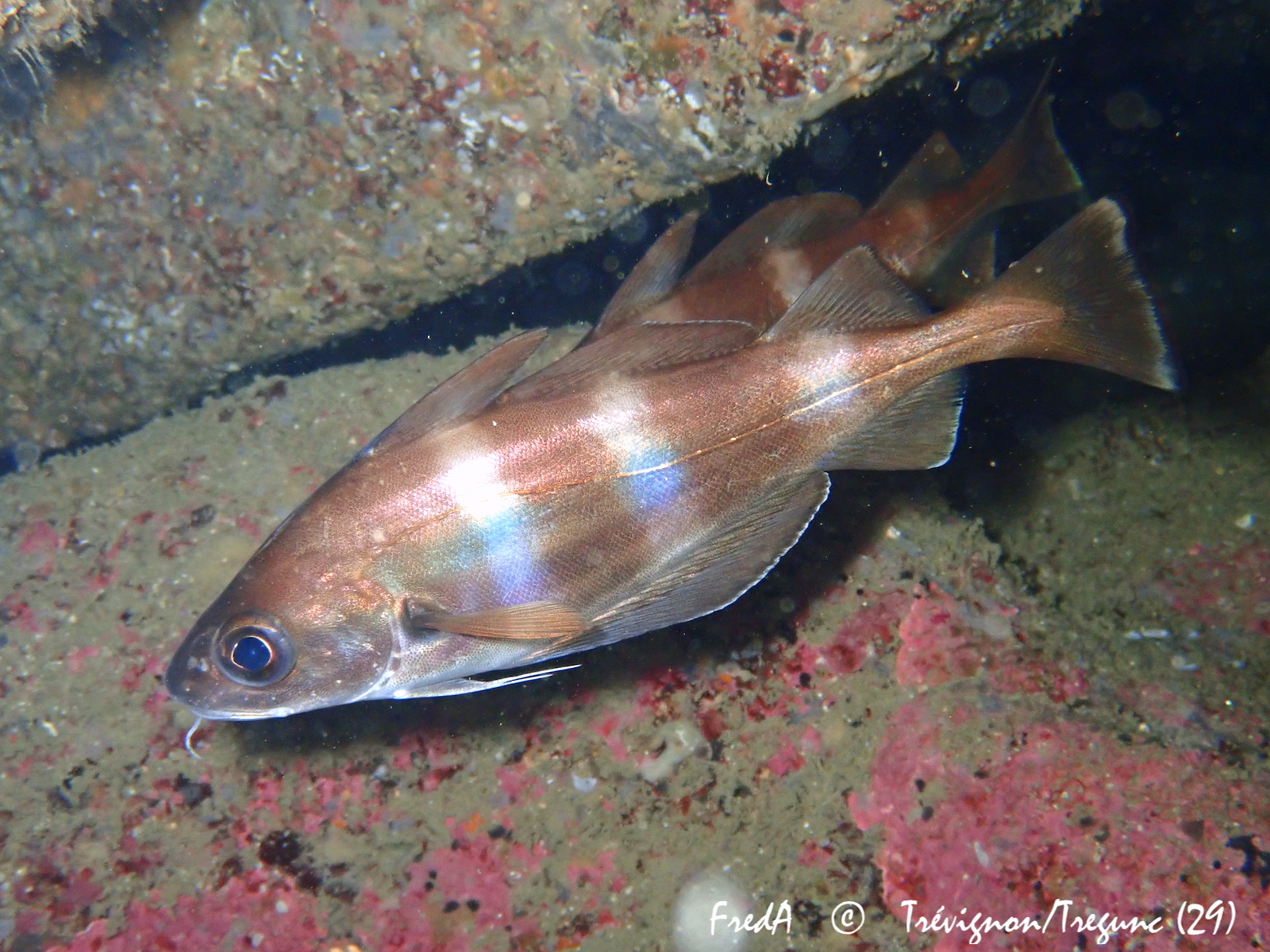
Pouting is a gadid of the northeast Atlantic, from Norway to Morocco. It lives from 30 to 100 m in temperate water, reaches 46 cm TL, can live four years, and feeds on crustaceans, fish and worms. Boat bottom fishing is the usual approach, with the season running December to July.
No fish match this water on this page. Clear the filter or choose another habitat.