
What fish are on your coast? — page 11 of 16
Choose the water you fish: shore, reef, surf or deep water. Then open a fish to see what it eats, when it comes in, and how to catch it.
Species records
Queen snapper
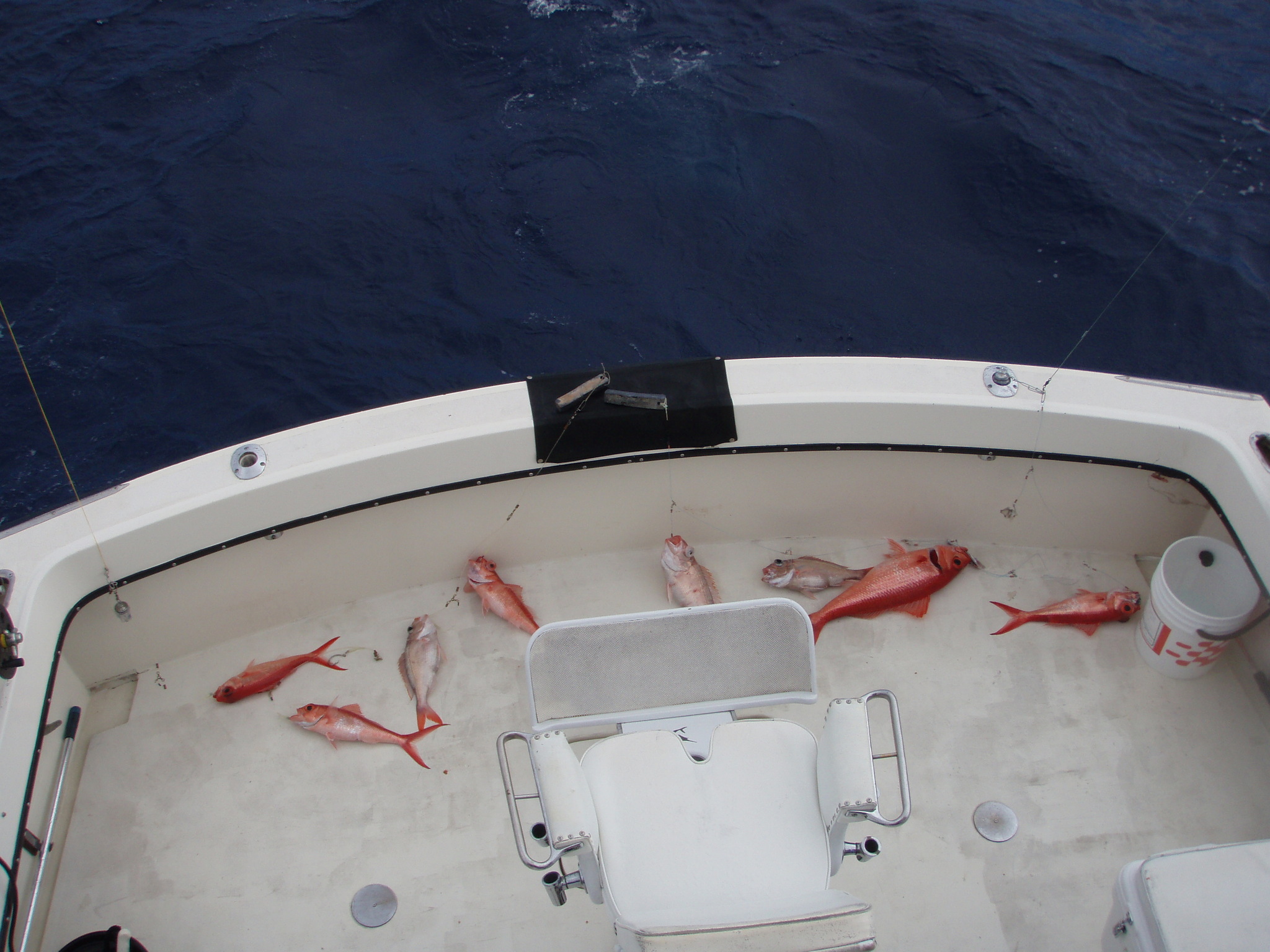
Queen snapper is a Lutjanidae snapper of bathydemersal rocky bottom from 100 to 450 m, reaching 100 cm and 6.3 kg with a common length near 64 cm. It feeds on small fish, is taken on deep-drop rigs, and is managed inside the Gulf snapper aggregate.
Queenfish
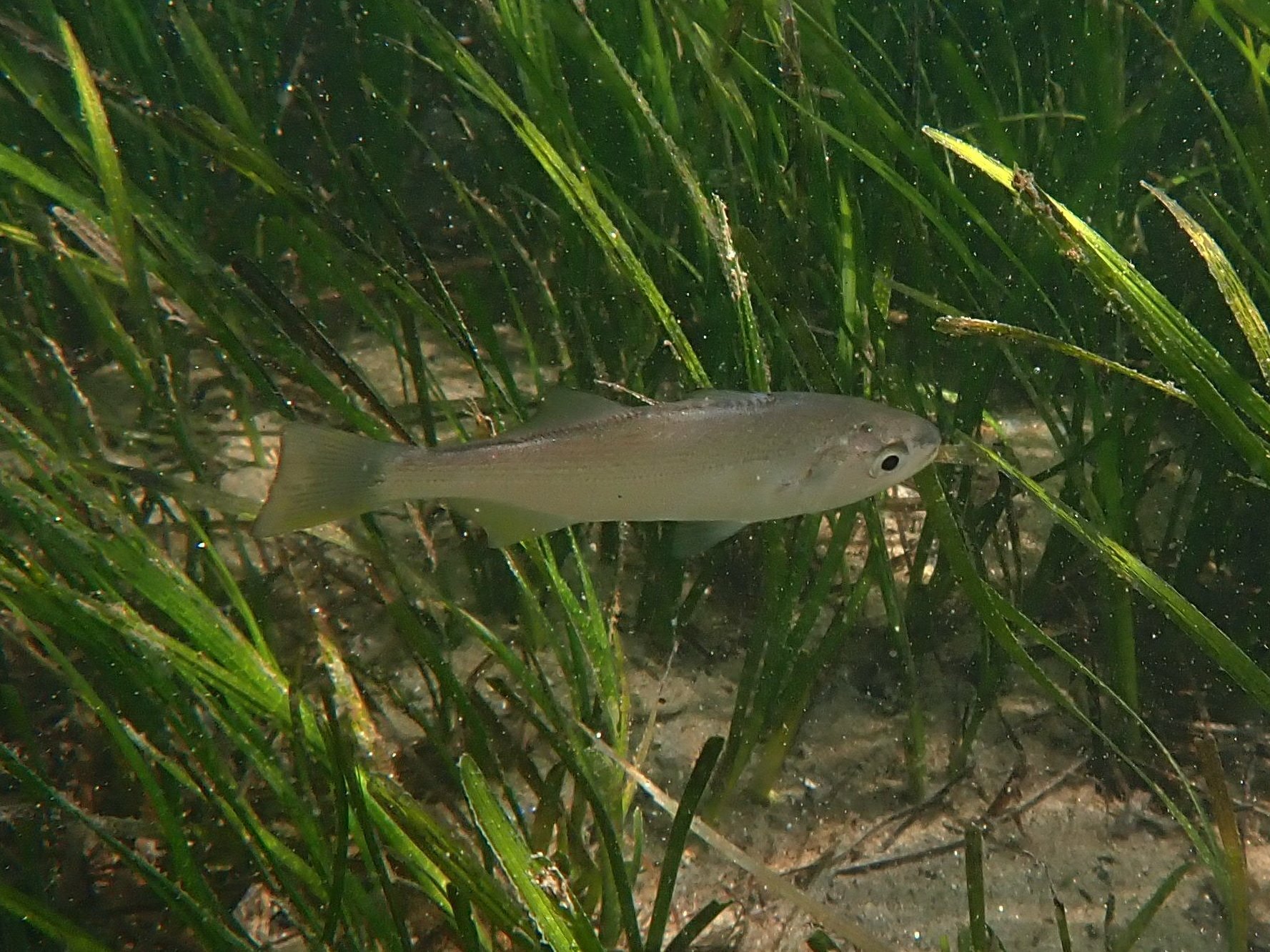
The queenfish sits in California's no-bag-limit group, listed alongside anchovy, sardine and Pacific mackerel. That status is also its value: a small fish nobody counts, and one of the most useful live baits in Southern California. What the rule removes is a number. It does not remove the licence, the marine protected areas, or the combined limit on everything else in the box.
Queensland mackerel
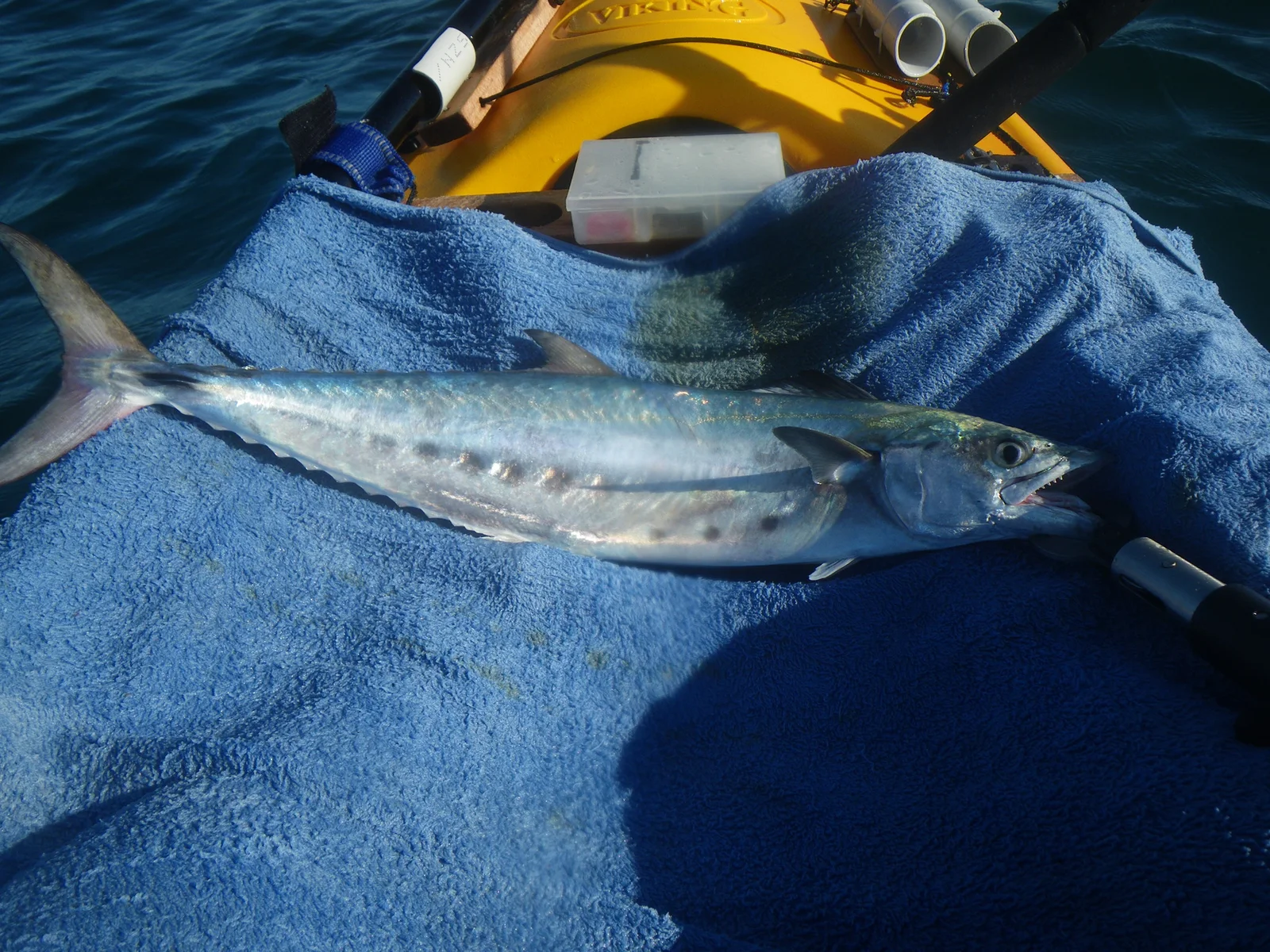
Across the Western Pacific, from largely confined to inshore coastal waters of southern Papua New Guinea and northern and eastern Australia, from Shark Bay and Onslow, Western Australia to Sydney, New South Wales, Queensland mackerel represents the family Scombridae. This is a tropical-water fish, recorded from 1 to 100 m. Fish reach 100 cm FL and 12.2 kg. The usual approach is trolling or shore casting. The season runs January to December.

Quillback rockfish
Quillback rockfish is a northeast Pacific rockfish, found from the Shumagin Islands and Prince William Sound in the Gulf of Alaska down to San Miguel Island off southern California. It works rocky ground from the surface to 274 m in water of 8 to 16 degrees C. Adults reach 61 cm TL and 3.3 kg, and a maximum age of 90 years makes it a very long-lived fish. April to July is the season.
Rabbit fish
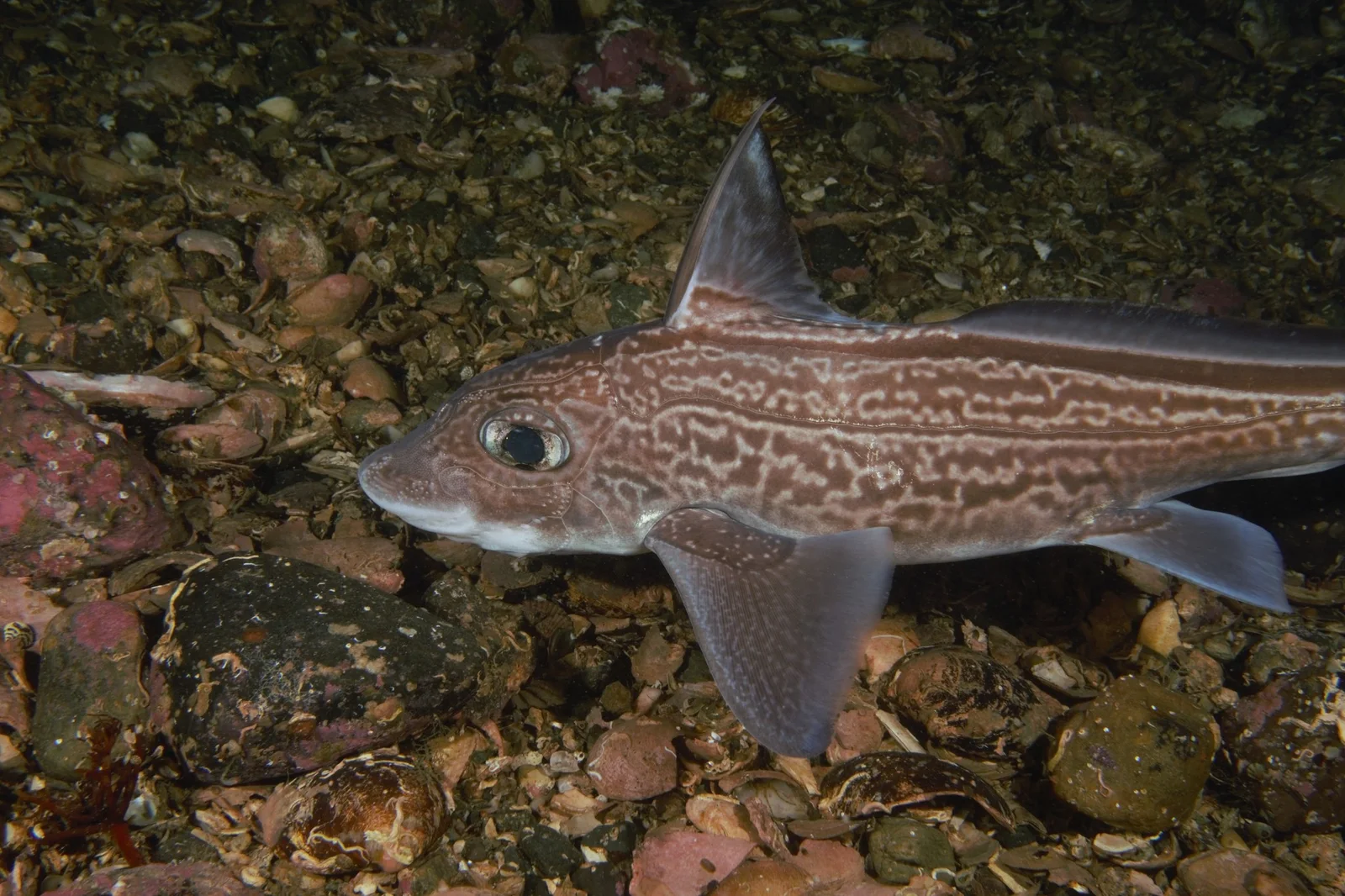
The rabbit fish, Chimaera monstrosa, is a cartilaginous deep-water species in the family Chimaeridae, not a true bony fish. It is widespread in the Northeast Atlantic, including the Mid-Atlantic Ridge and the Mediterranean, and is usually found between 300 and 500 metres, with records from 40 to 1400. It reaches 150 cm and is taken only as minor commercial bycatch; there is no gamefish entry.
Rainbow runner
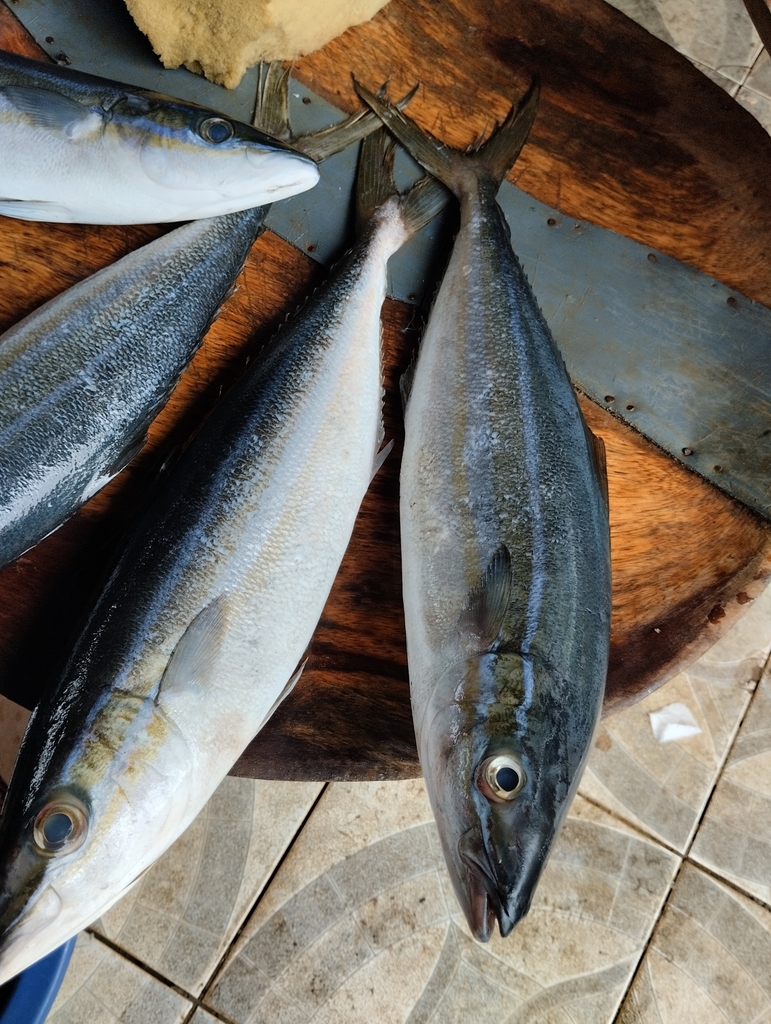
Rainbow runner is a Carangidae jack of oceanic and coastal surface water from 0 to 150 m, usually 2 to 10 m, reaching 180 cm and a common 90 cm. It feeds on zooplankton crustaceans and small fish, schools around floating debris, and is taken on small jigs, poppers and trolled lures.
Red barracuda
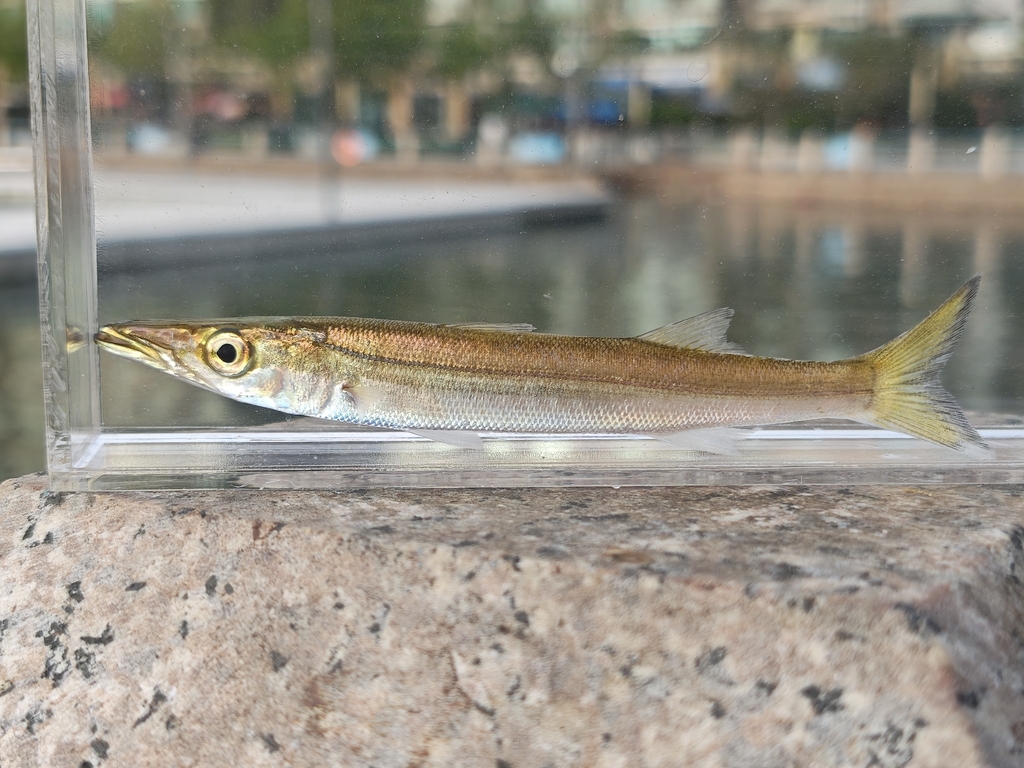
A small barracuda of shallow Japanese and East Asian coasts, with a reddish cast that distinguishes it from the bluer yamato-kamasu. Juveniles stay shallow and adults school deeper, and fat content rises in cold water, which is why salt-grilling belongs to late autumn and winter.

Red codling
Red codling is a slim, white-fleshed morid of the southwest Pacific, found around New Zealand and southern Australia from Sydney to Adelaide and around Tasmania. It works 26 to 700 m in subtropical water and feeds on crustaceans, fish and molluscs. Adults reach 90 cm TL. The season is short, July and August, which puts it in the southern winter.
Red drum
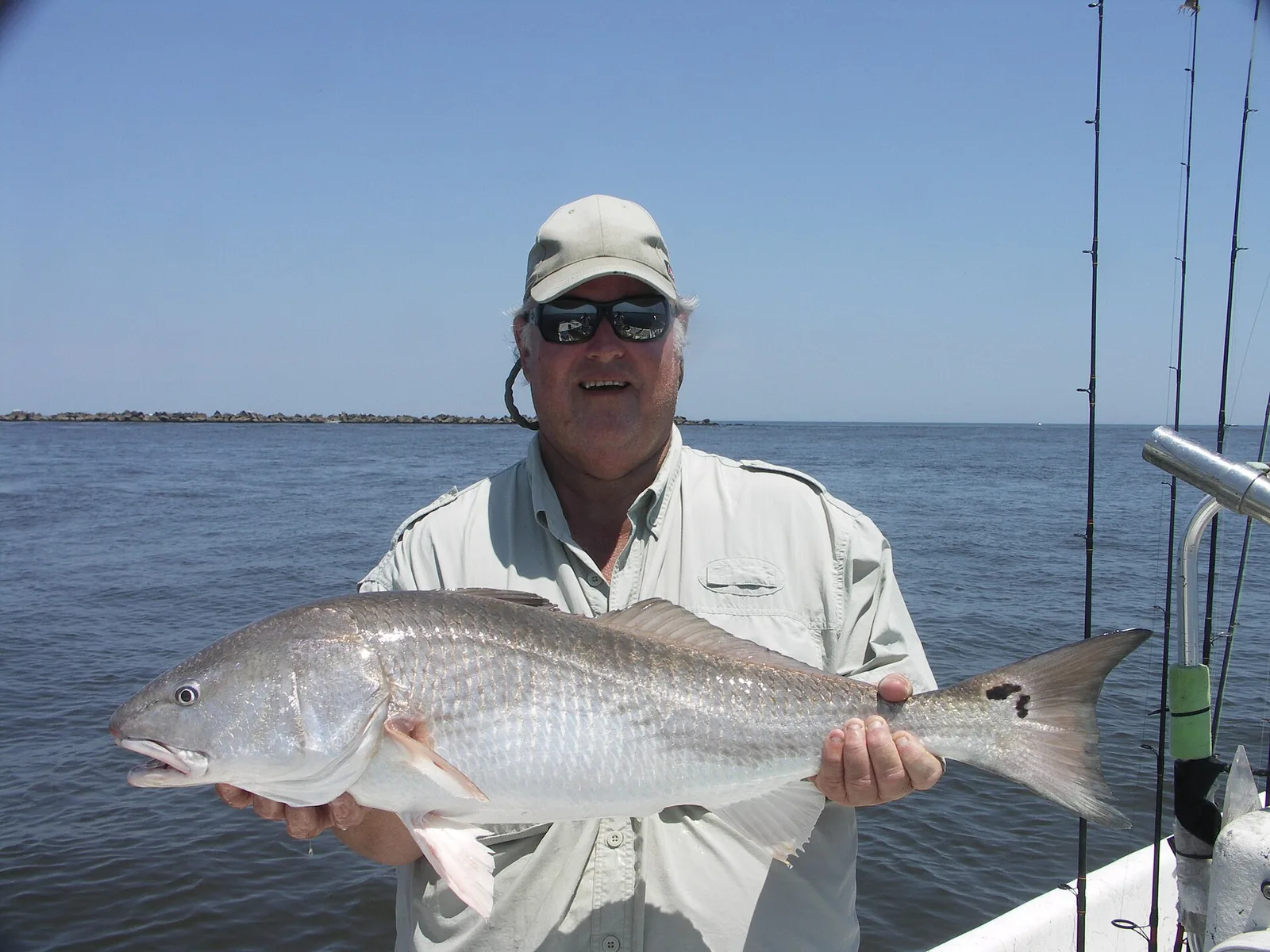
Red drum is decided by a tape measure as much as by a fight: 155 cm total length, 100 cm common length, 45 kg, maturity at 82.7 cm, and slot limits on both coasts. A legal fish is defined by two numbers, so measuring the wrong way — or the wrong length type — keeps or releases the wrong fish. Check the local slot before you lift a fish aboard.
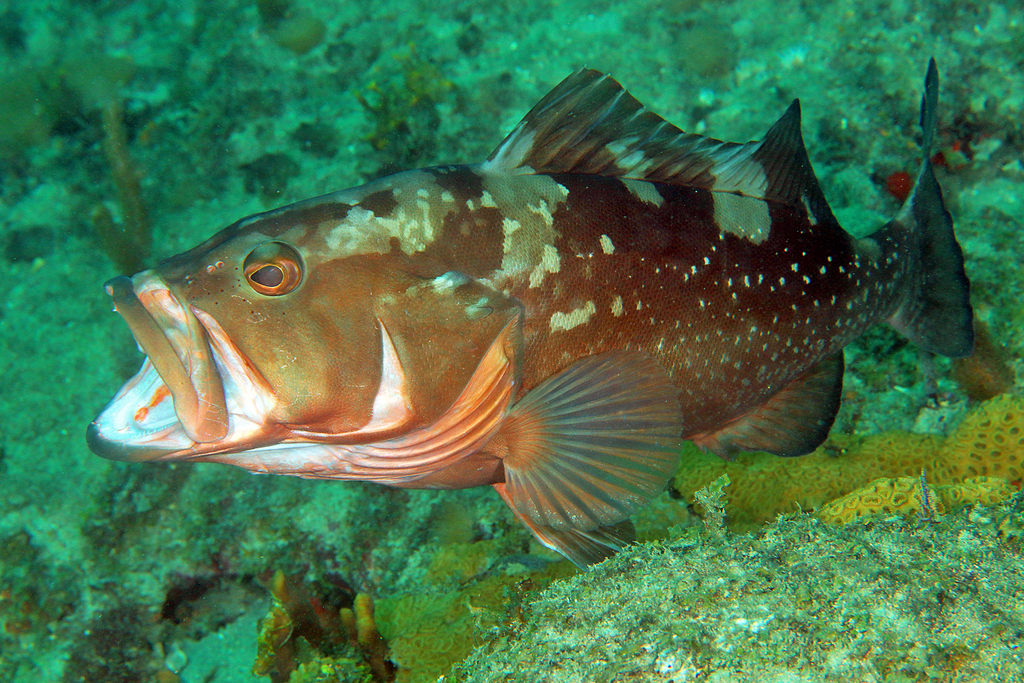
Red grouper
Red grouper is a large epinephelid of the western Atlantic, from North Carolina through the Gulf of Mexico, Caribbean and Bermuda to southern Brazil. It lives from 5 to 330 m in subtropical water, reaches 125 cm TL and 23 kg, can live 25 years, and feeds on fish. Its season runs January to June.

Red gurnard
Four numbers describe this fish: a 70 cm maximum, a 27.6 cm common length, a 20.4 cm common length for females, and a 26.6 cm maturity point. They are not in the same unit — the maximum is TL, the two common figures are FL, and the maturity row does not say. A fifth number, 21 years, is the maximum reported age.
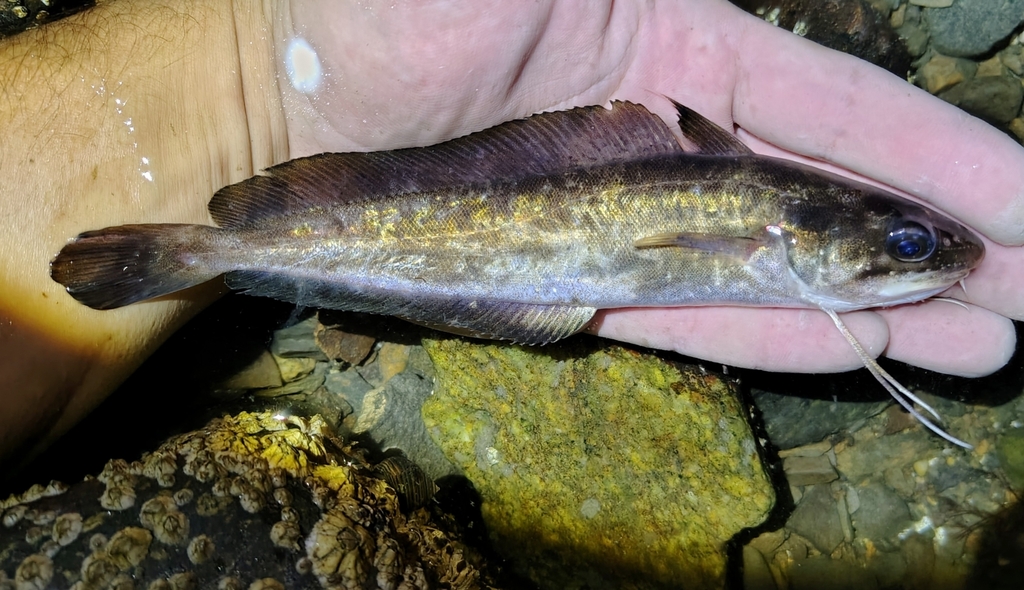
Red hake
Red hake is a phycid of the northwest Atlantic, from North Carolina north to southern Nova Scotia, with strays reaching the Gulf of St Lawrence. It lives from 35 to 1,152 m in temperate water and feeds on crustaceans and fish. Adults reach 66 cm TL and 3.6 kg. The season runs March to November.
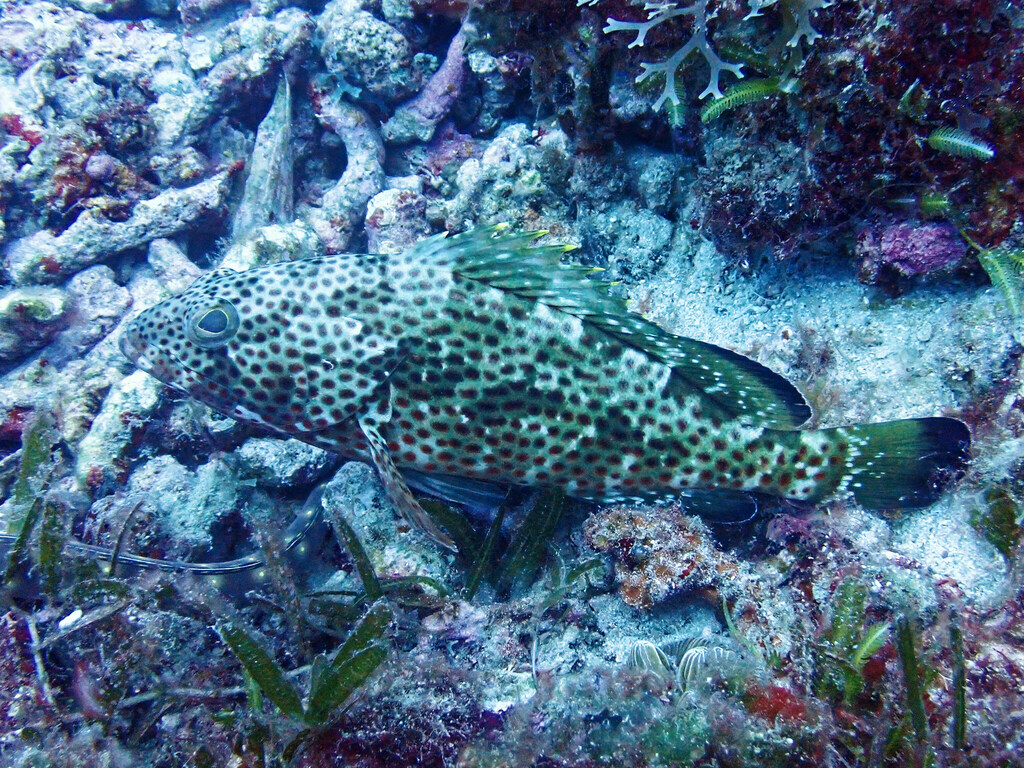
Red hind
Red hind is a shallow-reef Epinephelidae from North Carolina to Paraíba, Brazil, and the most common Epinephelus in the West Indies. It lives from 1 to 100 m, reaches 76 cm and 25 kg, matures at 25 cm, and is caught on small bottom baits around patch reef and ledges.
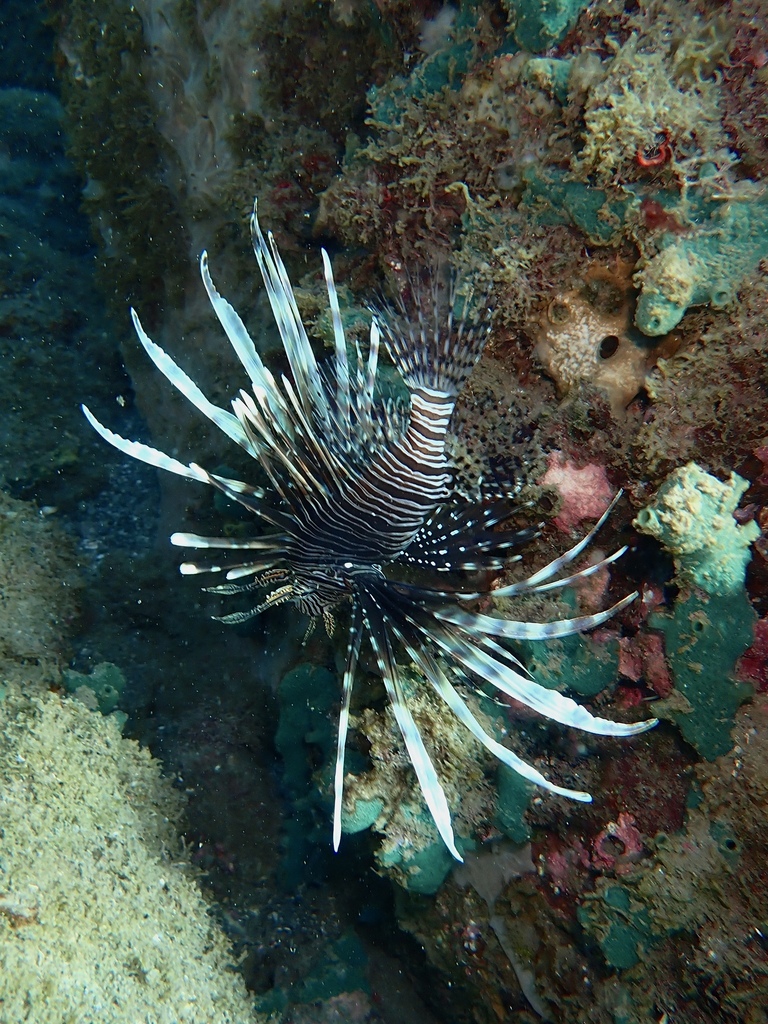
Red lionfish
Red lionfish is an Indo-Pacific scorpionfish introduced to the western Atlantic, now common on Gulf and Caribbean reefs from 2 to 55 m at 22 to 28 C. It reaches 45.7 cm and 1.4 kg, hunts small fish and crustaceans at night, and carries venom in its dorsal, anal and pelvic spines.
Red mullet
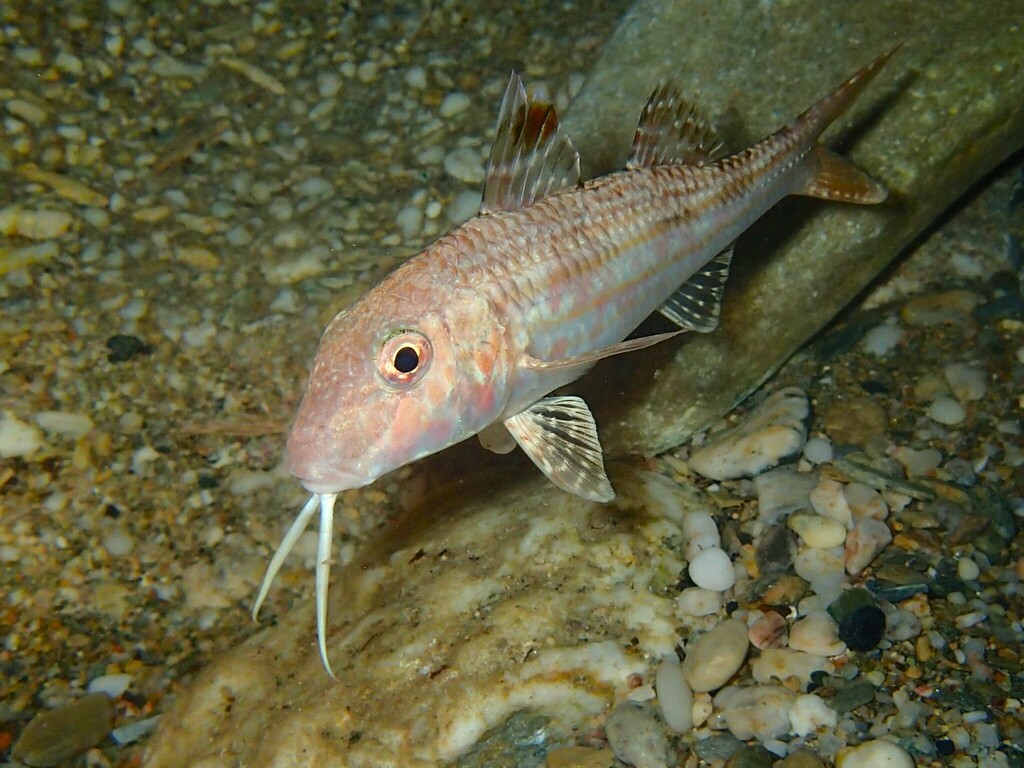
Red mullet is a small bottom fish of the eastern Atlantic and Mediterranean, from Norway and the English Channel to Senegal and the Canary Islands. It lives from 5 to 409 m in subtropical water, reaches 40 cm and 1 kg, and feeds on fish and worms. Boat bottom fishing is the usual approach, and it is recorded in every month except February.
Red porgy
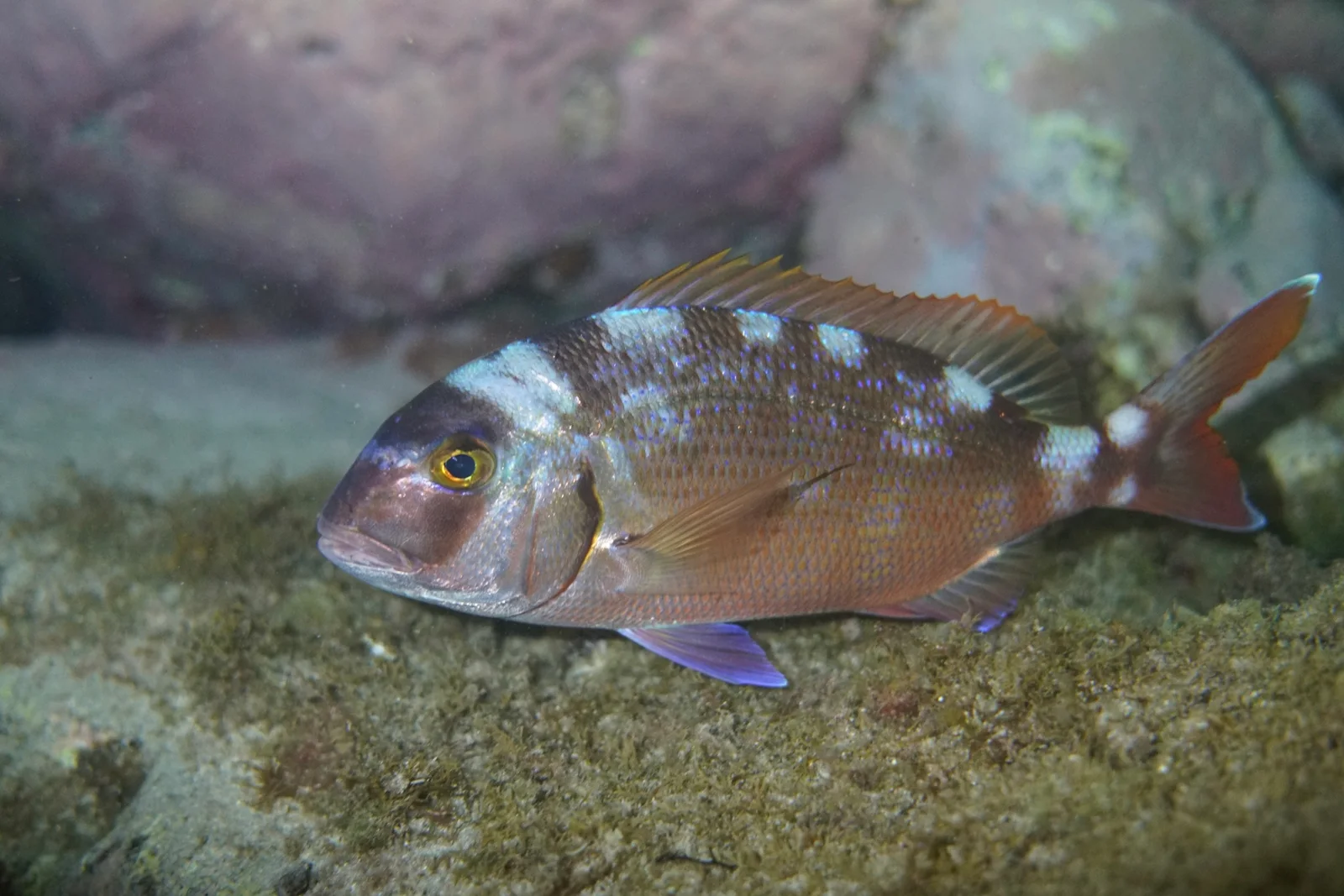
Red porgy is a sparid of the eastern Atlantic and Mediterranean, from the Strait of Gibraltar to 15°N, including Madeira and the Canaries. It lives from the surface to 250 m in subtropical water, reaches 91 cm TL and 7.7 kg, can live 26 years, and feeds on crustaceans and fish. Its season runs January to September.
Red scorpionfish
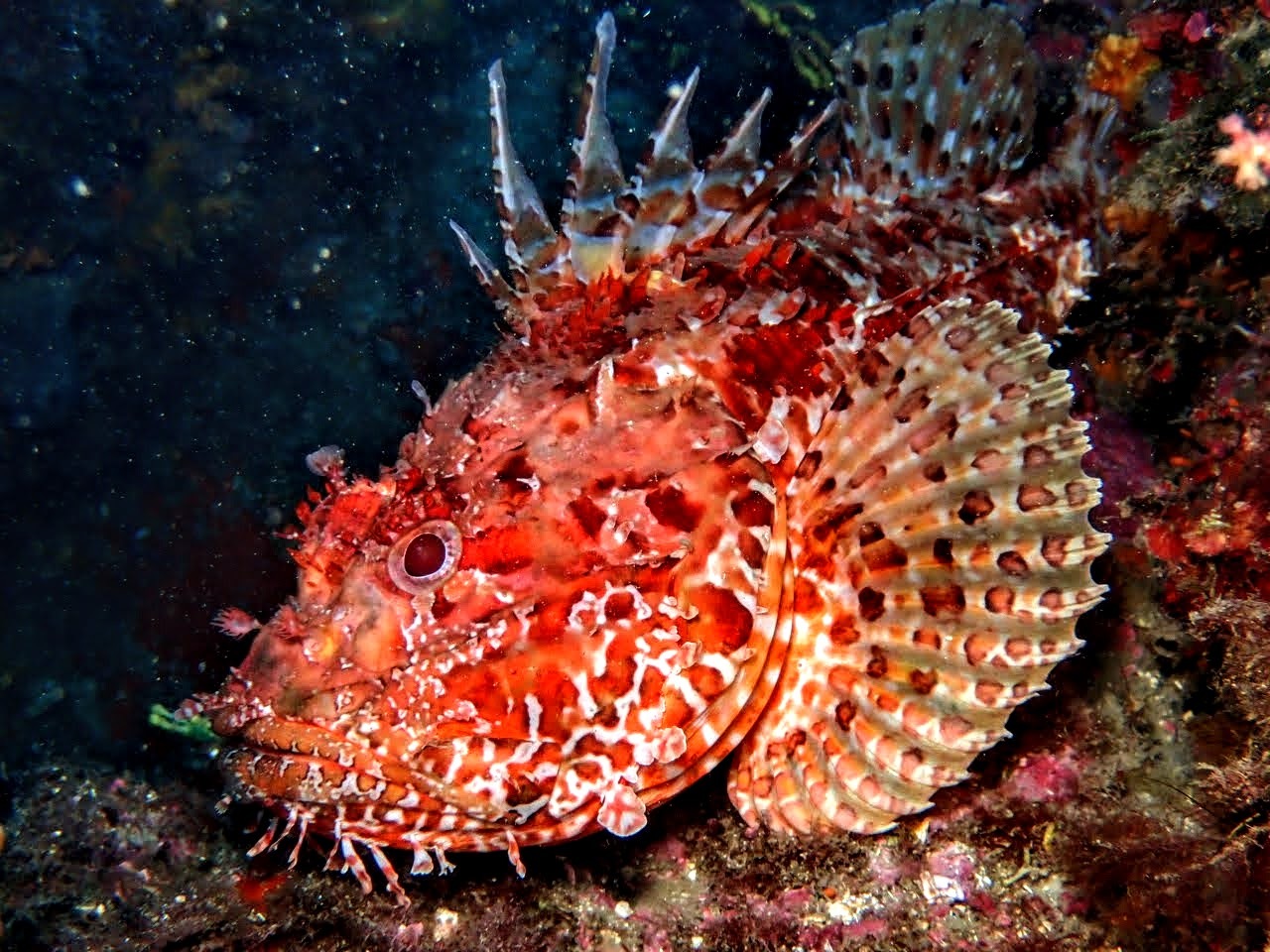
Red scorpionfish is a reddish, heavy-headed scorpaenid of the eastern Atlantic and Mediterranean, from the British Isles, where it is rare, down to Senegal, Madeira, the Canaries and Cape Verde. It sits between 20 and 500 m in subtropical water and feeds on crustaceans and fish. Adults reach 50 cm TL and 3 kg.
Red seabream
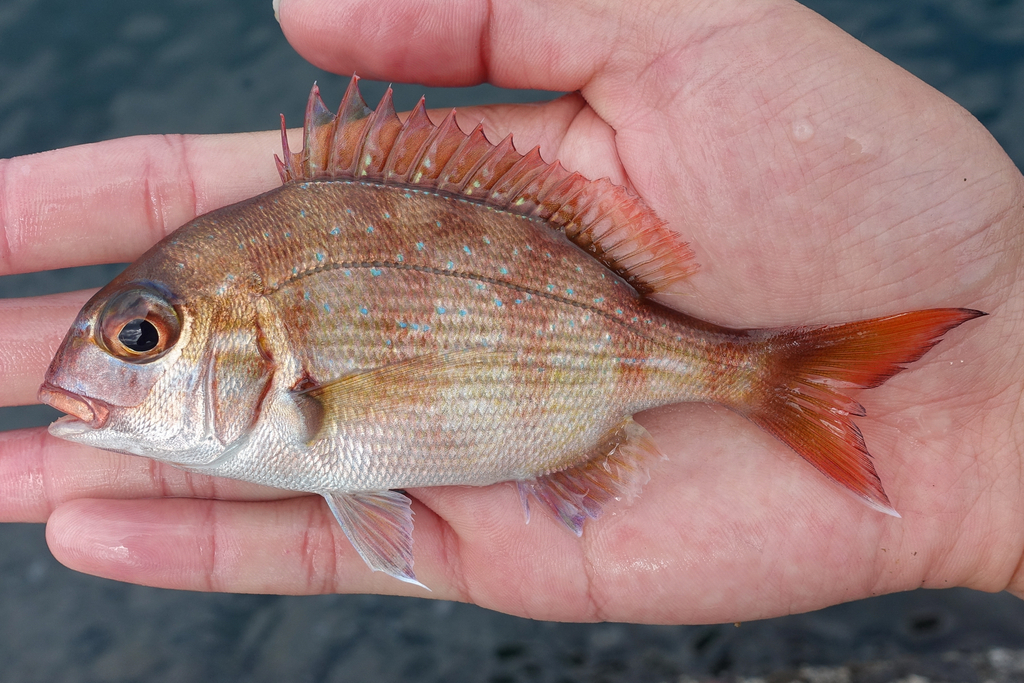
Red seabream, a member of the family Sparidae, is found across the Northwest Pacific, from northeastern part of South China Sea (Philippines excluded) northward to Japan. Its depth range is from 10 to 200 m, in subtropical seas. It grows to 100 cm SL and 9.7 kg, with a diet of crustaceans, fishes, worms and echinoderms. The standard approach is boat bottom fishing or lure fishing. The season runs April to August.
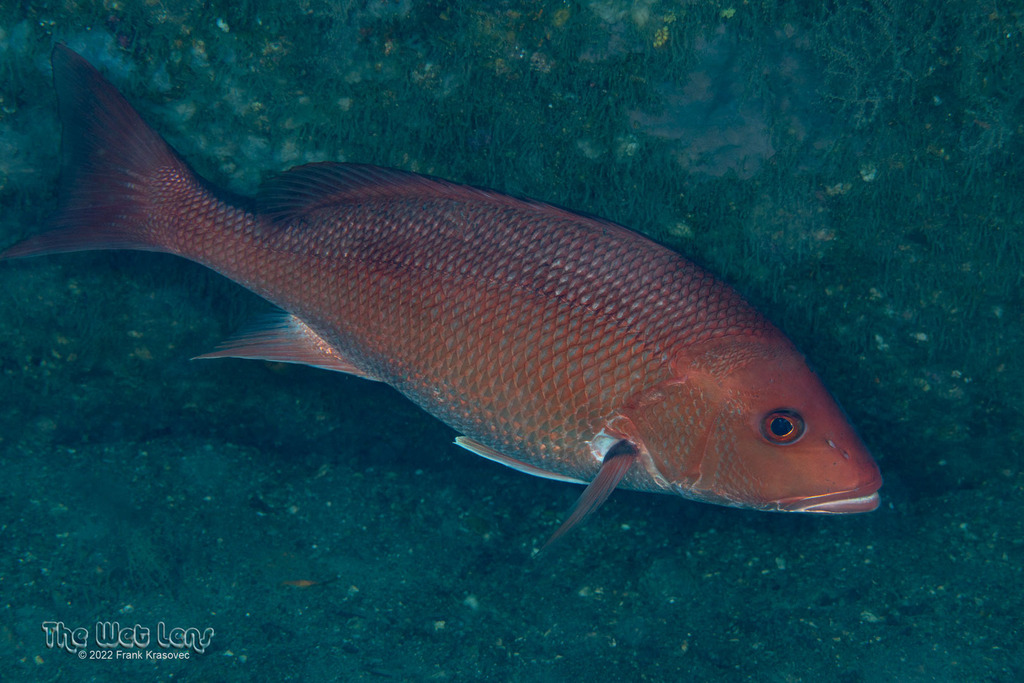
Red snapper
Red snapper is a lutjanid of the western Atlantic and Gulf of Mexico, from Massachusetts south to the Carolinas and Florida. It lives from 10 to 190 m in subtropical water, reaches 100 cm and 22.8 kg, and feeds on fish, molluscs, zooplankton and worms. Boat bottom fishing is the usual approach, with the season running March to December.

Red steenbras
FishBase gives *Petrus rupestris* 200 cm TL maximum, 100 cm TL common, 80 kg heaviest published and first maturity at 57.5 cm, and calls it the largest of the porgies. The FishBase account places it in South Africa from Mossel Bay to Natal, and nowhere else. The IUCN entry is Critically Endangered, assessed 11 July 2024. South Africa allows one fish a day at 60 cm TL, with a closed season in spring.

Red stumpnose
Red stumpnose is a South African sparid known only from the Cape to Natal. Adults feed on crustaceans, molluscs, worms and small fish in shallow coastal water, and older males grow a large hump on the forehead. It has 11 to 12 dorsal spines and 10 to 11 soft rays and often shows darker crossbars. It reaches 75 cm TL with a common length of 50 cm and 5.8 kg, and matures at 30 cm.
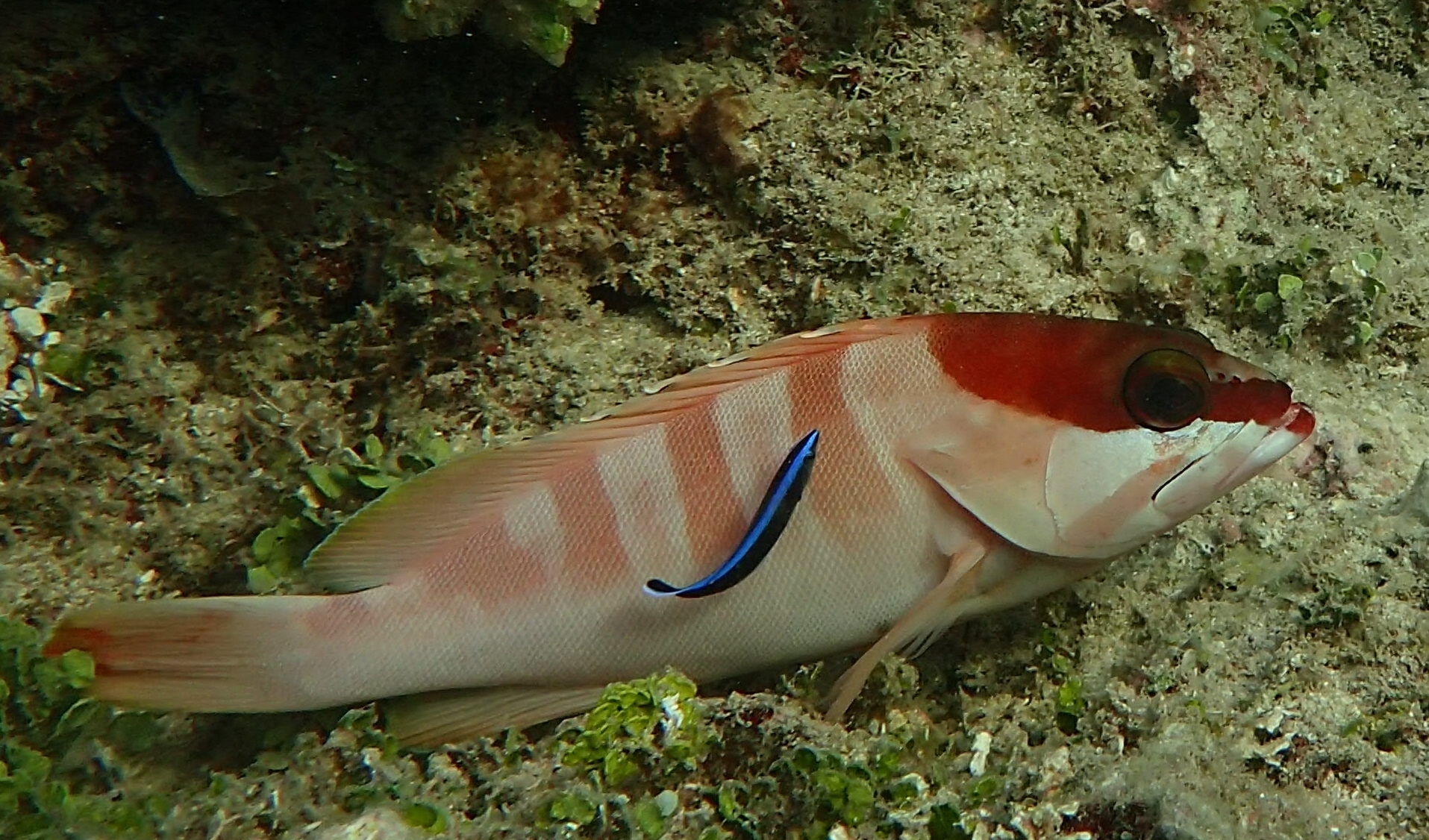
Red-banded grouper
Red-banded grouper is recorded across the Indo-Pacific, from Red Sea to South Africa and eastward to the Pitcairn Group, north to Japan and Korea, south to the Arafura Sea, southern Queensland (Australia) and Lord Howe Island, within the family Epinephelidae. It is caught from 4 to 160 m, in tropical water. It tops out at 52 cm TL and 2 kg, on a diet of crustaceans and fishes. Anglers target it by boat bottom fishing or rock fishing.

Redbanded rockfish
Dorsal fin with 13 spines and 13–15 soft rays, anal fin with 3 spines and 6–7 soft rays, and 30–31 vertebrae. The second anal spine is longer than the third and the caudal margin is almost straight. Colour is light pink to red with 4 darker red vertical bars, more obvious on small fish, and one dark bar radiates from each eye.
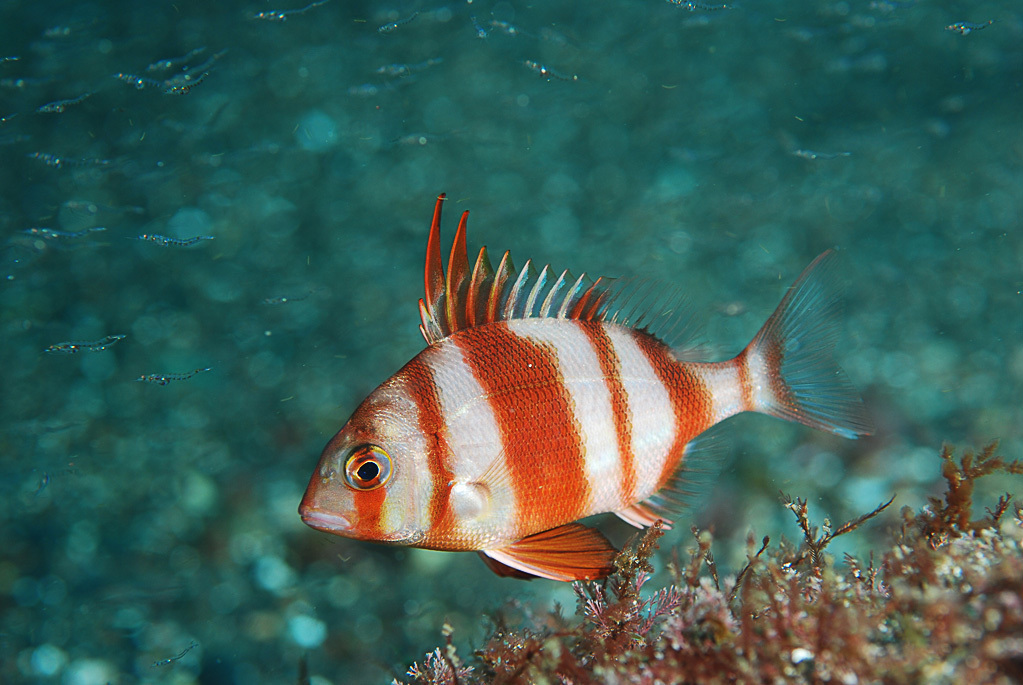
Redbanded seabream
Redbanded seabream is a sparid of the eastern Atlantic and southwestern Mediterranean, from Portugal to Angola, including Madeira and the Canaries. It lives shallower than 170 m in subtropical water, reaches 80 cm SL and 3 kg, and feeds on crustaceans, fish and molluscs. Its season runs January to February.
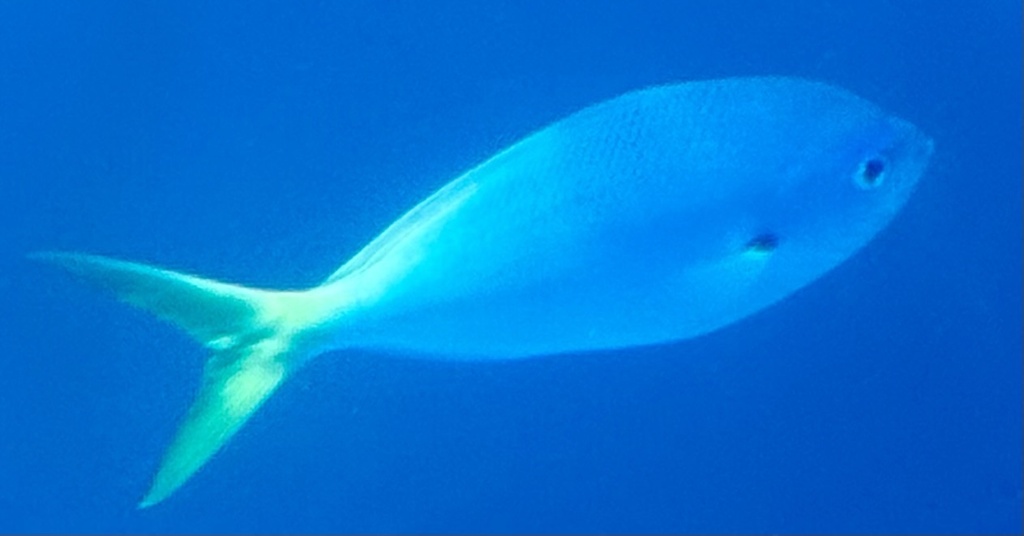
Redbelly yellowtail fusilier
The redbelly yellowtail fusilier is easy to place at a glance: a deep, compressed body, a white or pinkish lower third, and a large yellow tail with no prominent black markings on the caudal fin. The counts are 10 dorsal spines with 14–16 soft rays, and three anal spines with 10–12 soft rays. The cheek carries four or five rows of scales, the predorsal scales run 20–26, and the dorsal and anal fins are scaled.

Redstripe rockfish
Redstripe rockfish has XIII dorsal spines and 13–15 soft rays, III anal spines and 6–7 soft rays, and 36–43 vertebrae. Head spines are weak: supraocular, coronal and nuchal spines are absent. The dorsal notch is shallow, the second anal spine is equal to or shorter than the third, and the caudal fin is moderately indented.

Redthroat emperor
The redthroat emperor reaches 90 cm and 9.6 kg, spawns on more than one schedule along the Queensland coast, and is caught mainly by handline. It is also a recorded ciguatera risk, which matters more than the size limit on the days the toxin is present.
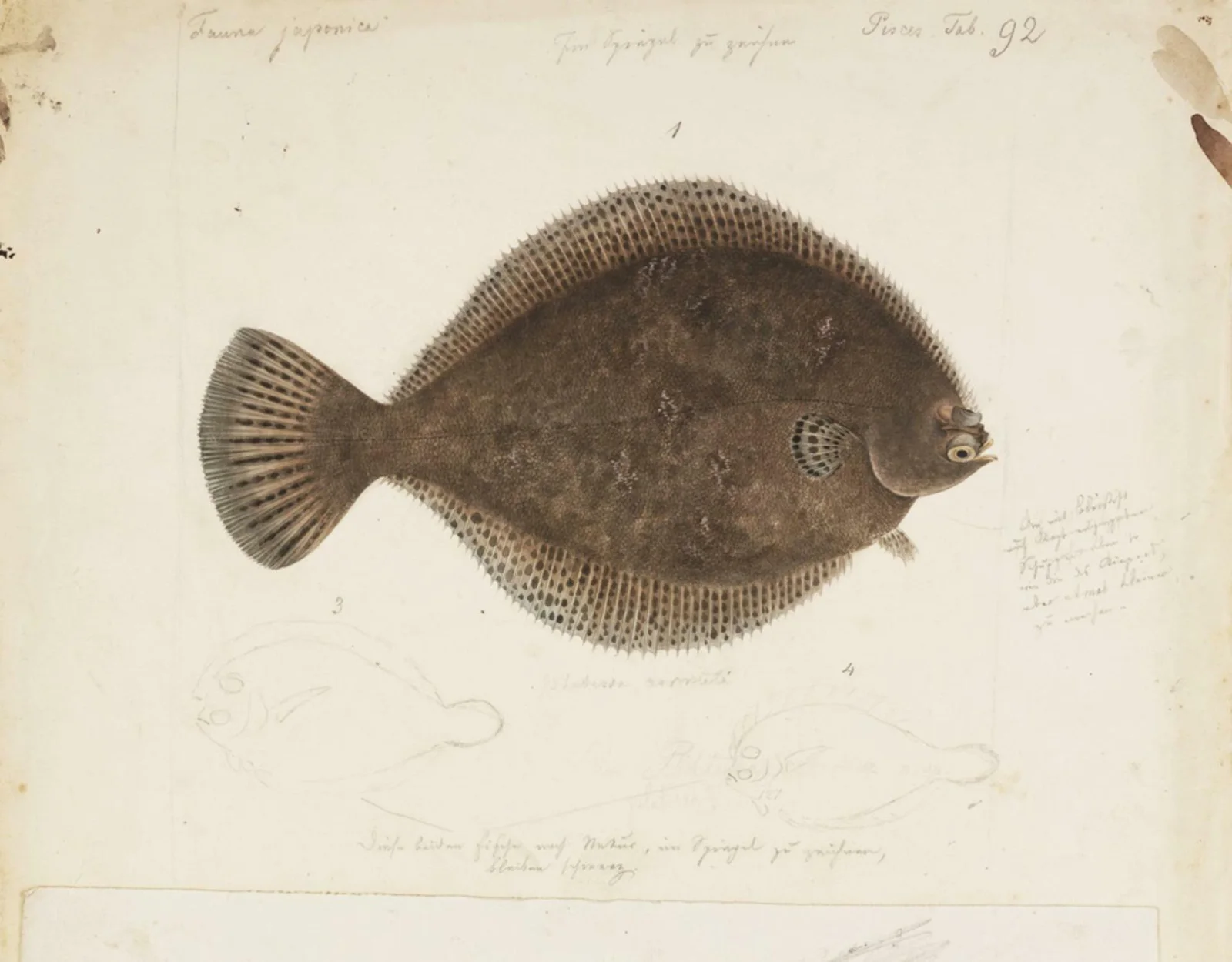
Ridged-eye flounder
The depth column reads 2 to 170 metres, which looks like a species that can be caught from the beach. The same line, in the unparsed text, adds "usually 100 -? The two-metre figure is the extreme of the record, not its centre, and the 170-metre figure is the other extreme. Between them sits a working band that starts an order of magnitude deeper than the minimum.
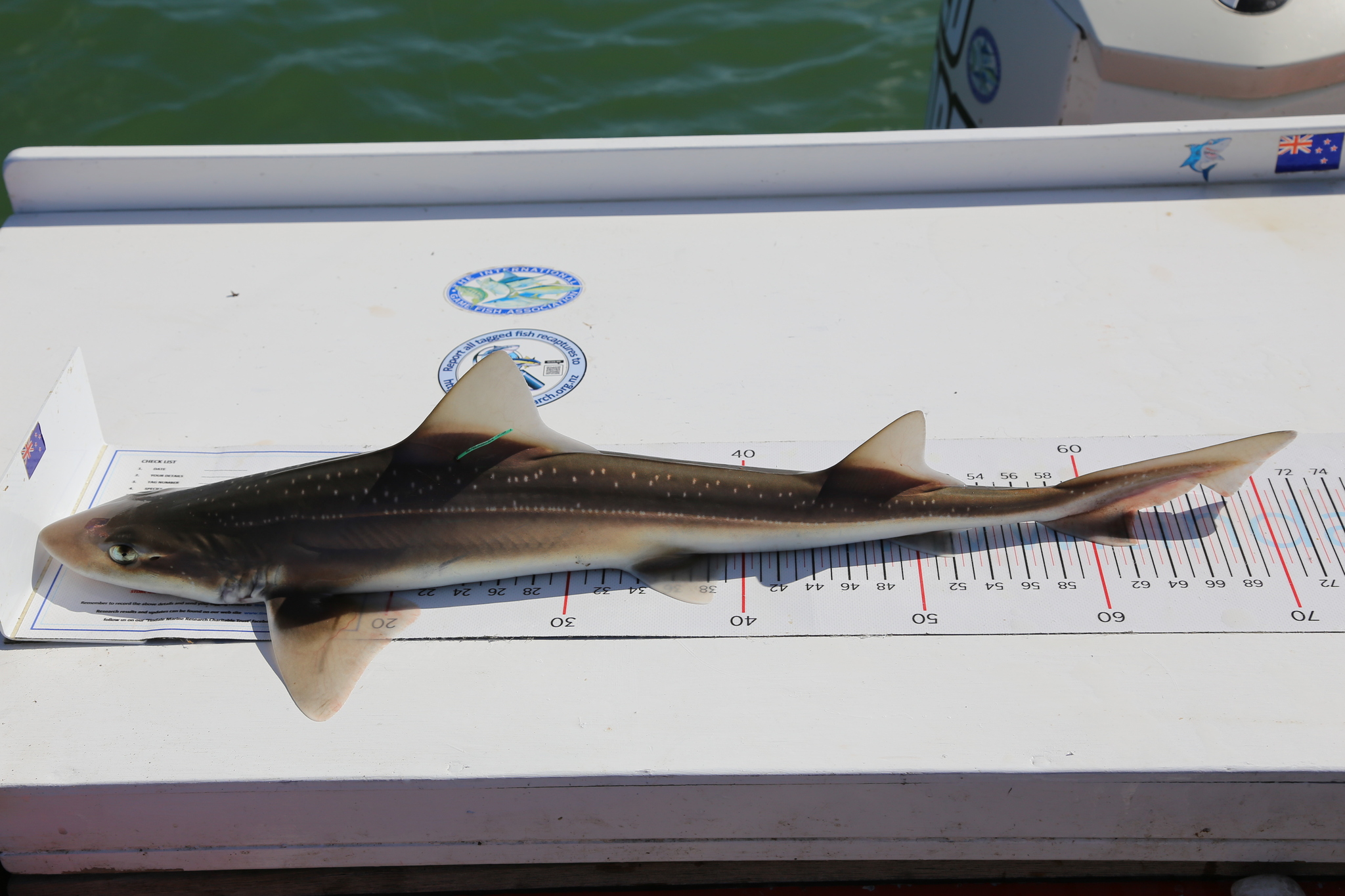
Rig
Rig is a houndshark, not a bony fish. It is also called the spotted estuary smooth-hound; it belongs to the family Triakidae and is found on the continental shelves and in estuaries around New Zealand. The species is recorded from the surface to 860 m, usually within the top 400 m. FishBase also lists gummy shark and spotted dogfish among its English names.
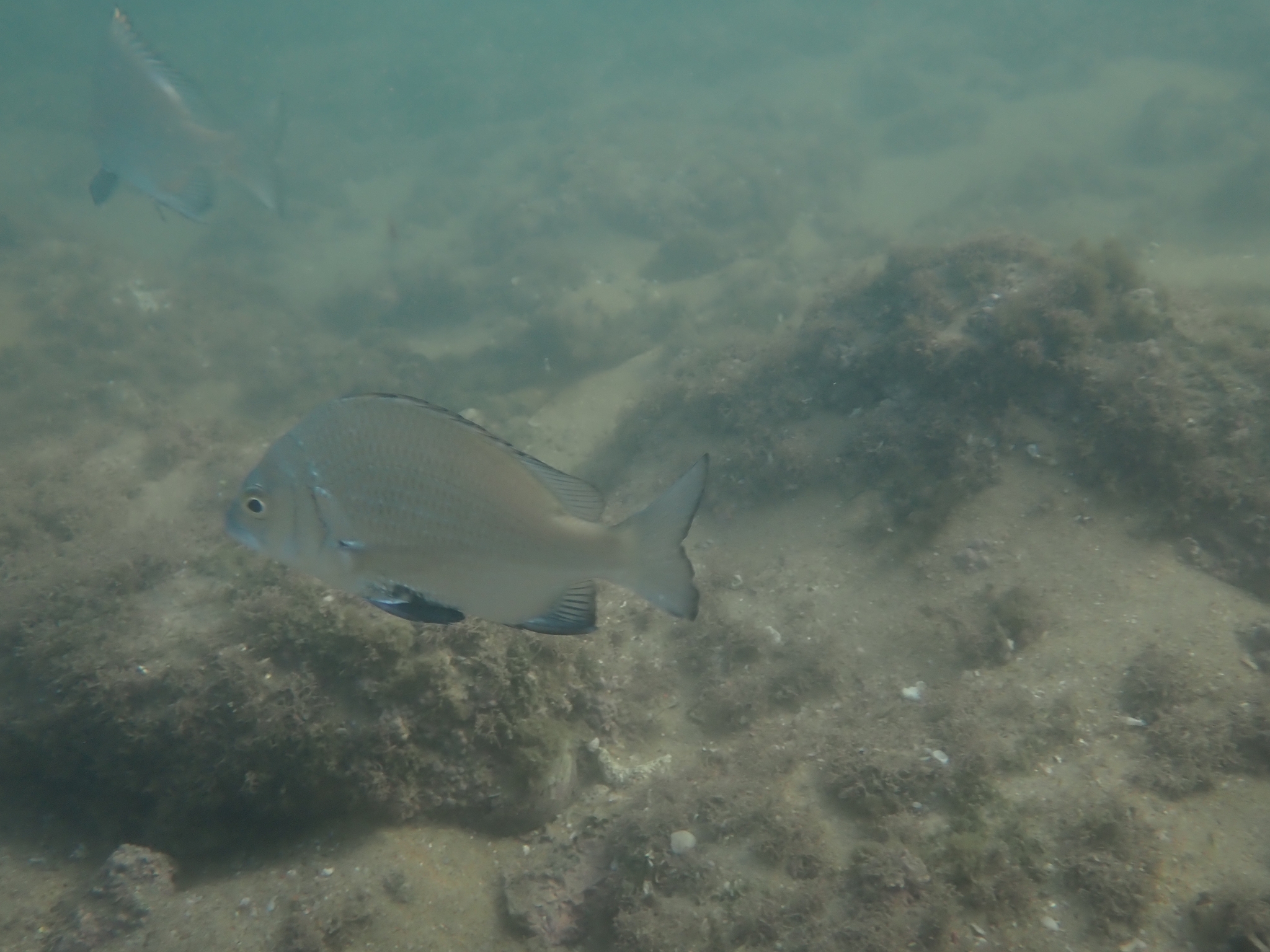
River bream
River bream is a sparid of the western Indian Ocean, from South Africa and Mozambique through the Red Sea and Persian Gulf to India and Malaysia. It lives in the top 50 m of tropical water, matures at about 21 cm and reaches 90 cm TL and 3.2 kg, with a maximum age of 14 years. Bait, lures and drift fishing all appear among the methods used for it.
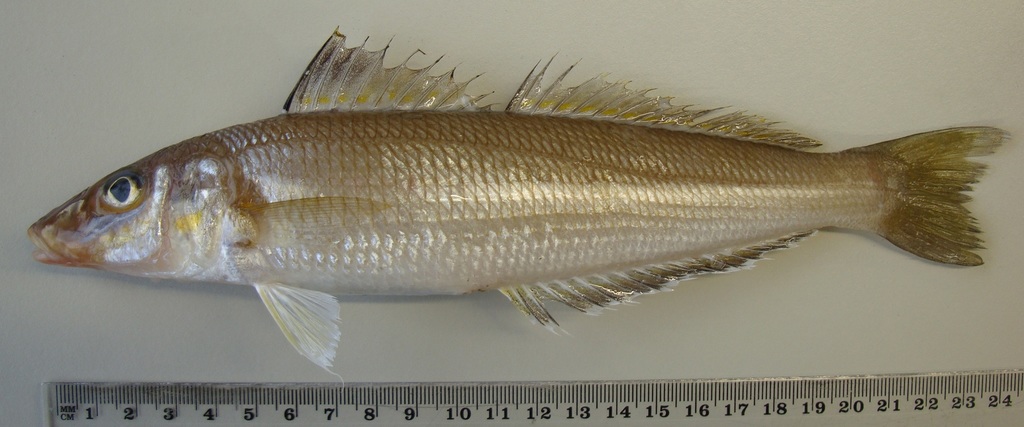
Robust whiting
Robust whiting is recorded across the Indo-Pacific, from endemic to Australian waters from Fremantle northward to Shark Bay (western population), and from southern Queensland to New South Wales (eastern population), within the family Sillaginidae. It is caught from 10 to 70 m, in subtropical water. It tops out at 30 cm TL, on a diet of crustaceans, fishes and worms. The standard approach is shore casting or boat fishing. The season runs January to December.
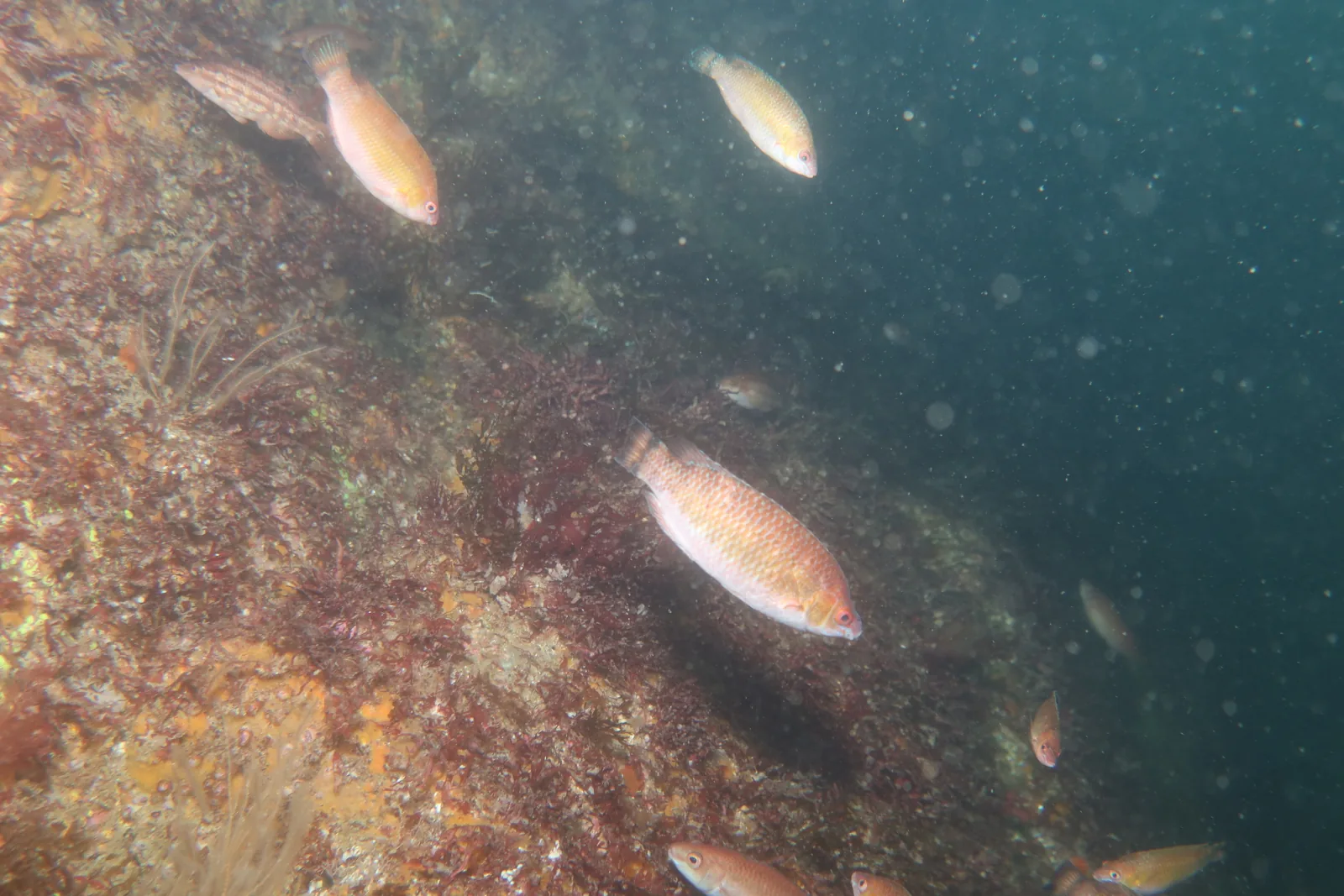
Rock cook
The rock cook is a small wrasse of the family Labridae, built for rocky ground in the eastern Atlantic from Norway down to Portugal, with an outpost off eastern Greenland. It lives in a narrow 3–10 m band over temperate reefs, where it picks at fishes and algae.
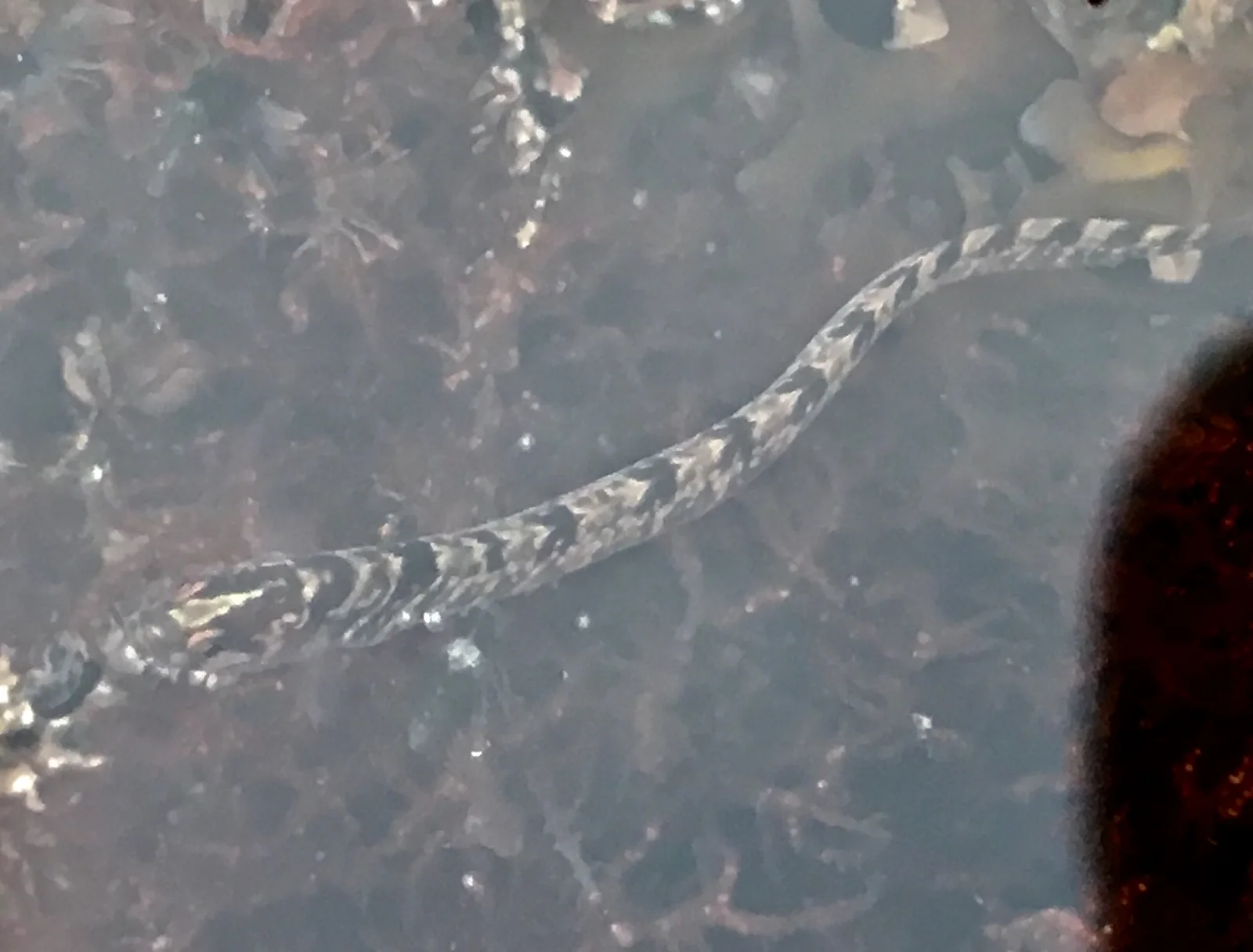
Rock gunnel
The rock gunnel is an eel-shaped fish of the family Pholidae that lives in the intertidal zone, often under stones or in rock pools left by the tide. Its range runs from the Kanin Peninsula and Iceland south to La Rochelle, and from Labrador to Delaware Bay. FishBase records it from the surface to 100 m, usually within 0–30 m.
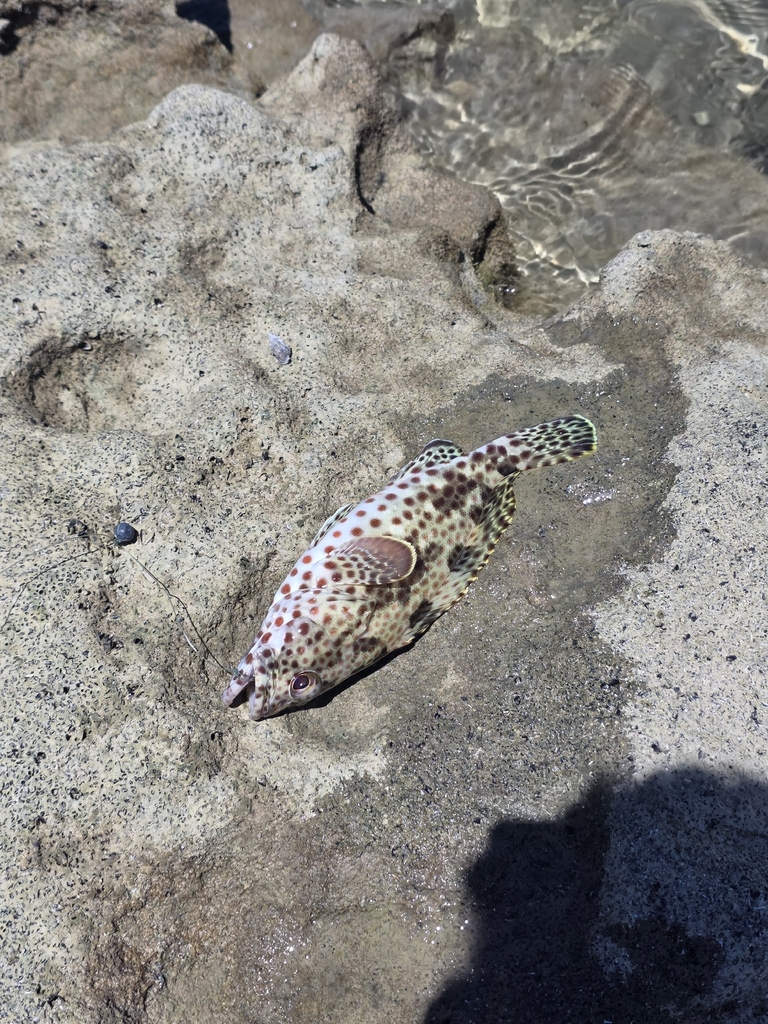
Rock hind
Rock hind is a small western Atlantic grouper from Massachusetts and Bermuda through the Gulf of Mexico and the Caribbean to southern Brazil. It lives on rocky reefs from 1 to 120 m, usually shallower than 15 m, reaches 65 cm and 4.5 kg, and is a wary, solitary fish taken on small bottom baits.

Rock sole
Rock sole has no dorsal spines and 65–82 dorsal soft rays, 50–65 anal soft rays and 39–42 vertebrae. The dorsal origin sits over the forward part of the eye, the caudal fin has a broad V-shaped rear margin, the pectorals are small and may be asymmetrical, and the blind side is white with glossy highlights along the myotome margins.
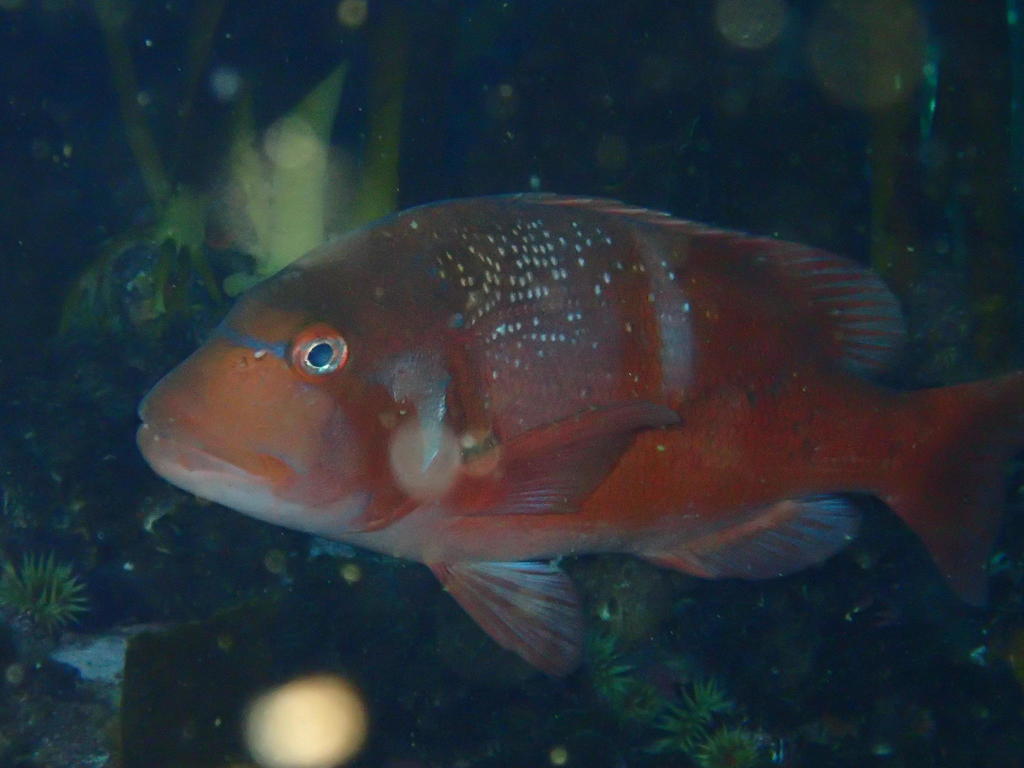
Roman
FishBase gives *Chrysoblephus laticeps* a maximum of 50 cm TL, a common length of 32 cm, 4.2 kg as the heaviest published weight, and first maturity at 18.1 cm. Anglers in South Africa and Namibia call it Roman, and the FAO name is Roman seabream. It sits over rocky bottom from 1 m to 100 m and is often taken from the shore.

Rooster hind
Rooster hind is an epinephelid of the eastern Pacific, from southern California in the United States south to Peru. It lives from 46 to 90 m in subtropical water and reaches 100 cm TL, a large size for a hind.
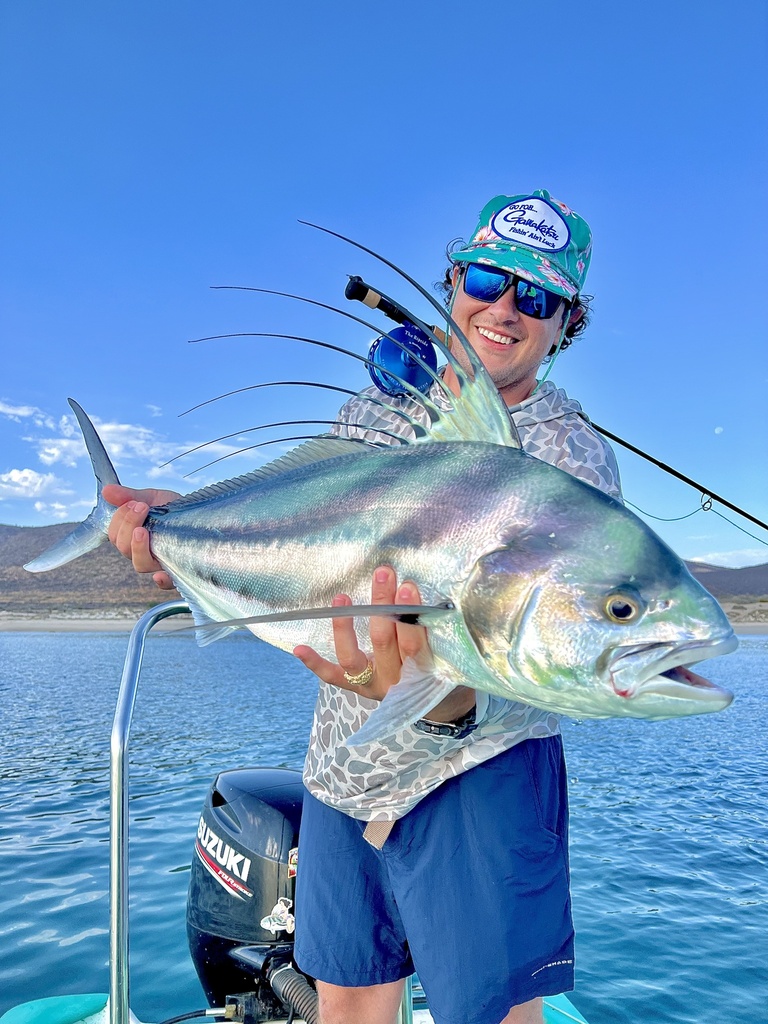
Roosterfish
Roosterfish is a large inshore gamefish of the eastern Pacific, from San Clemente in southern California down to Peru and around the Galapagos. It is named for the row of long spines at the front of the dorsal fin, which stands up like a comb and gives the fish its rooster profile. Adults reach 163 cm FL and 51.7 kg. It is a subtropical fish, and no depth band is recorded for it.
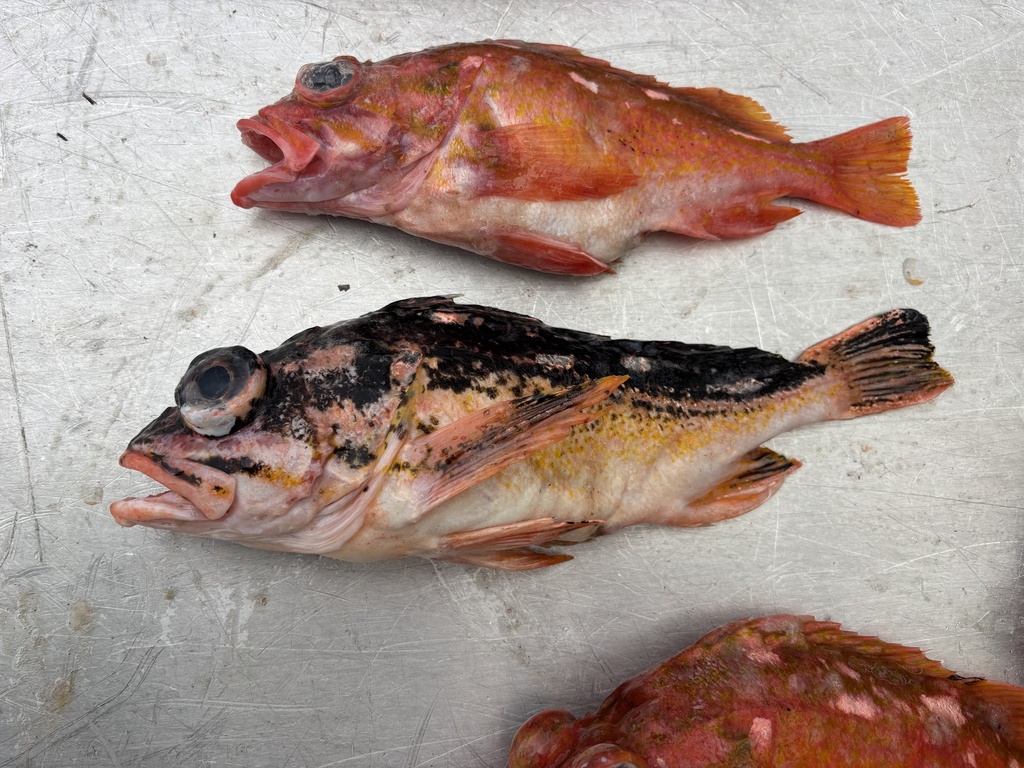
Rosethorn rockfish
Dorsal fin with 13 spines and 12–14 soft rays, anal fin with 3 spines and 6–7 soft rays, and 28–33 vertebrae. Head spines are very strong, the coronal spine is absent and the second anal spine is long. Colour is orange or yellow with greenish mottling above and 4 to 5 squarish white spots bordered with pink or yellow on the back.
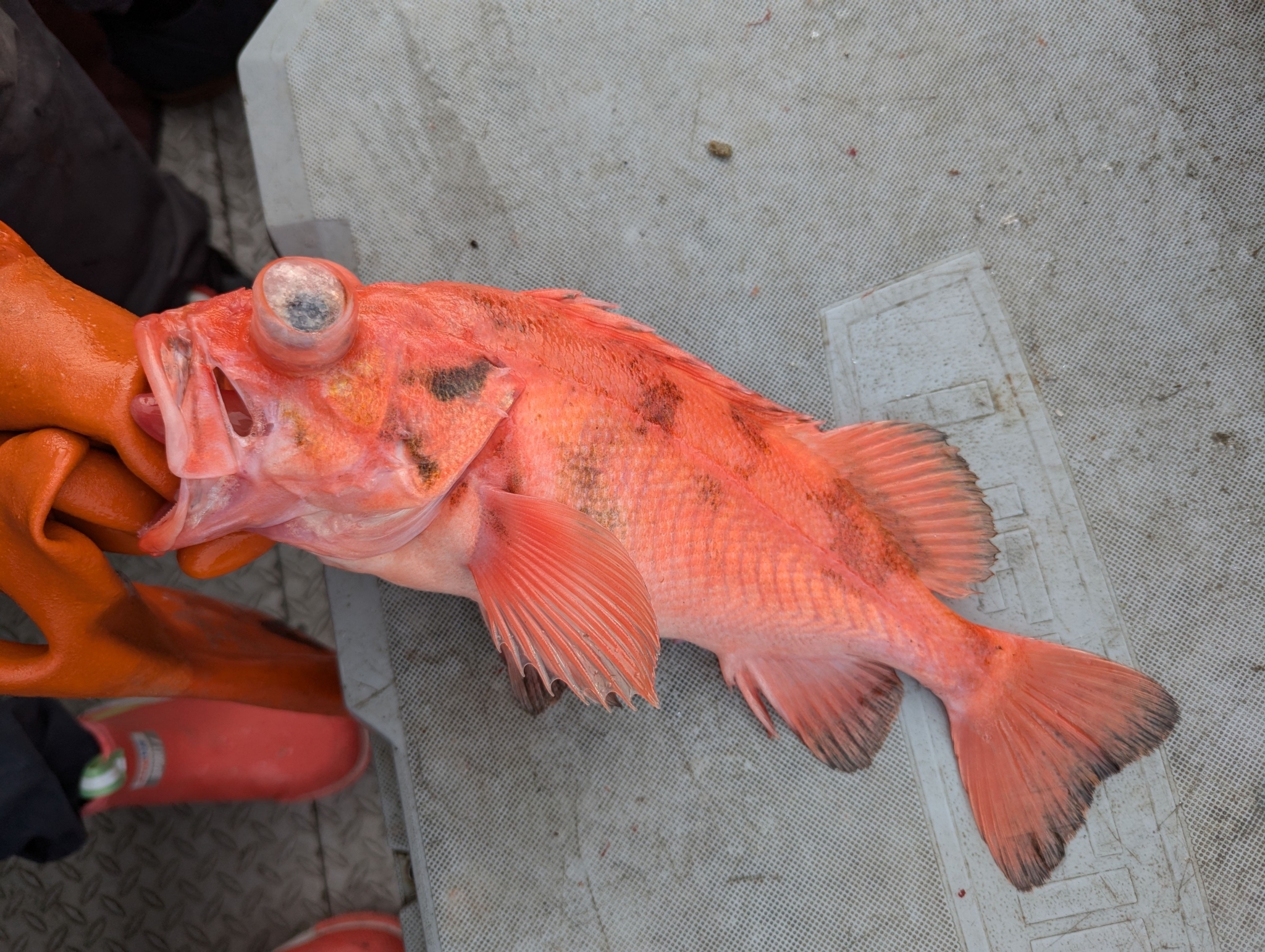
Rougheye rockfish
Dorsal fin with 12–14 spines and 14 soft rays, anal fin with 3 spines and 6–8 soft rays, 27 vertebrae and 29–34 gill rakers. The head carries eight strong spines and at least two infraorbital spines, the most reliable way to separate it from S. The body is pale and the spinous dorsal membrane has no distinct spots; the first and fourth dorsal spines are short for the genus and the gill rakers are few and short.
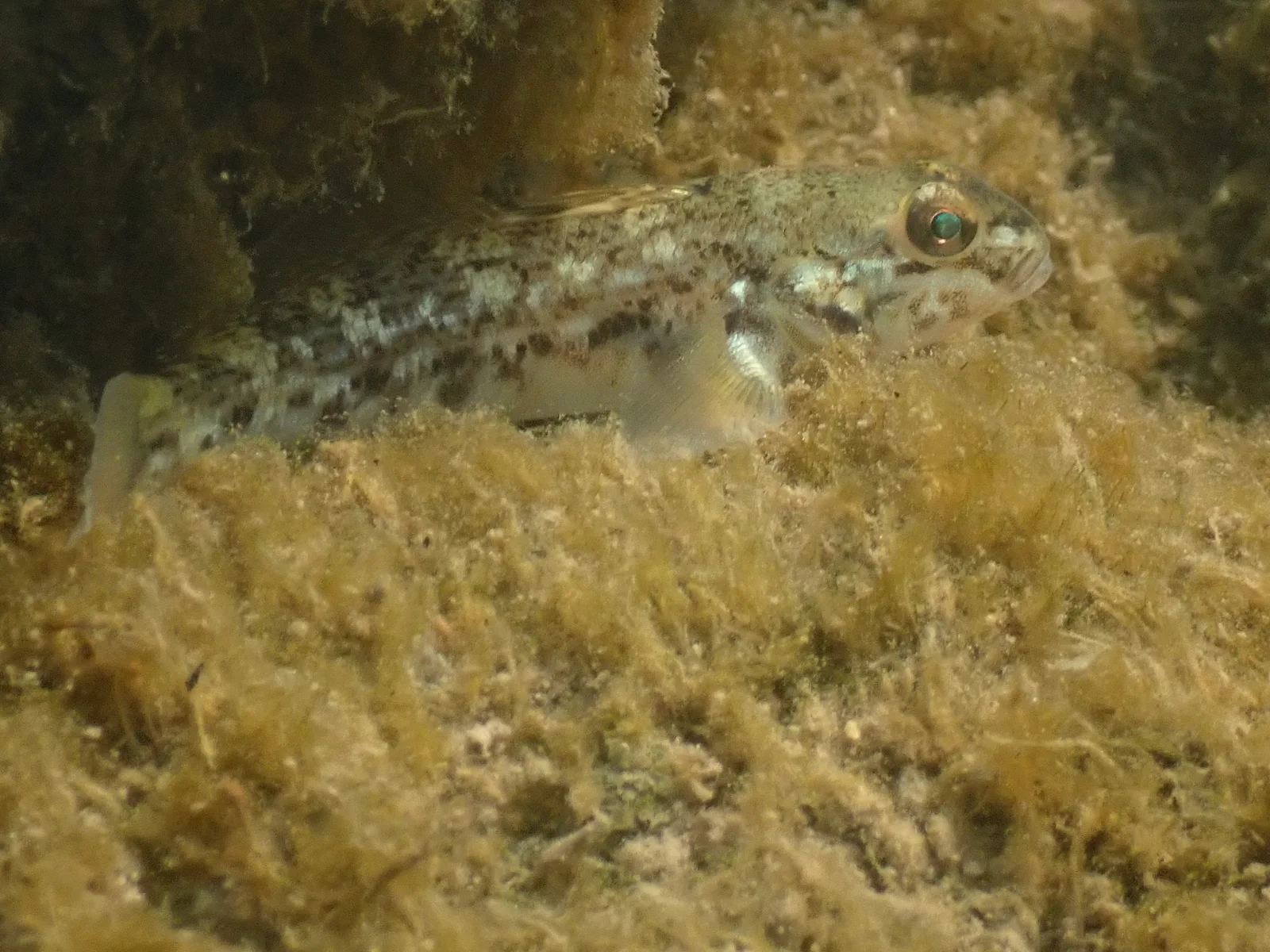
Round goby
The round goby is a bottom-dwelling goby from the Black, Azov and Caspian Sea basins, and since 2004 it has also established itself in North America through ballast-water discharge. It occupies rocky, sandy and brackish shallows from the surface to about 30 m, tolerating 4–20 °C. FishBase lists it as a commercial species and an occasional bait fish; it reaches 35 cm and 381 g but is not a recognised gamefish.
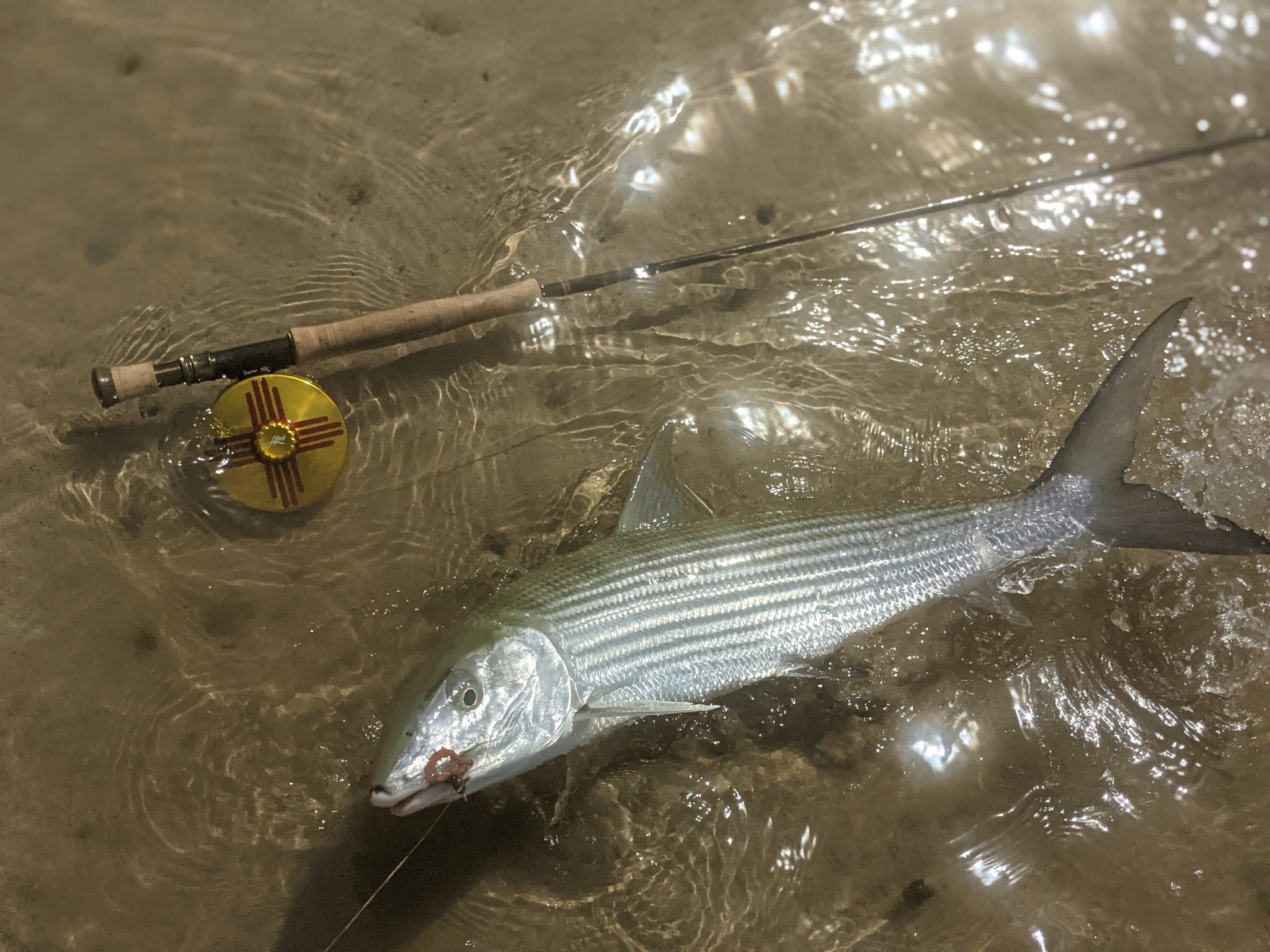
Roundjaw bonefish
The tip of the lower jaw is broadly rounded, which is where the English name comes from, and the snout is the tool it uses to pick food out of the bottom rather than to crush shells. There are no dorsal spines; the soft rays number 15–19, and the anal soft rays 8–9, two counts you can check in the hand.
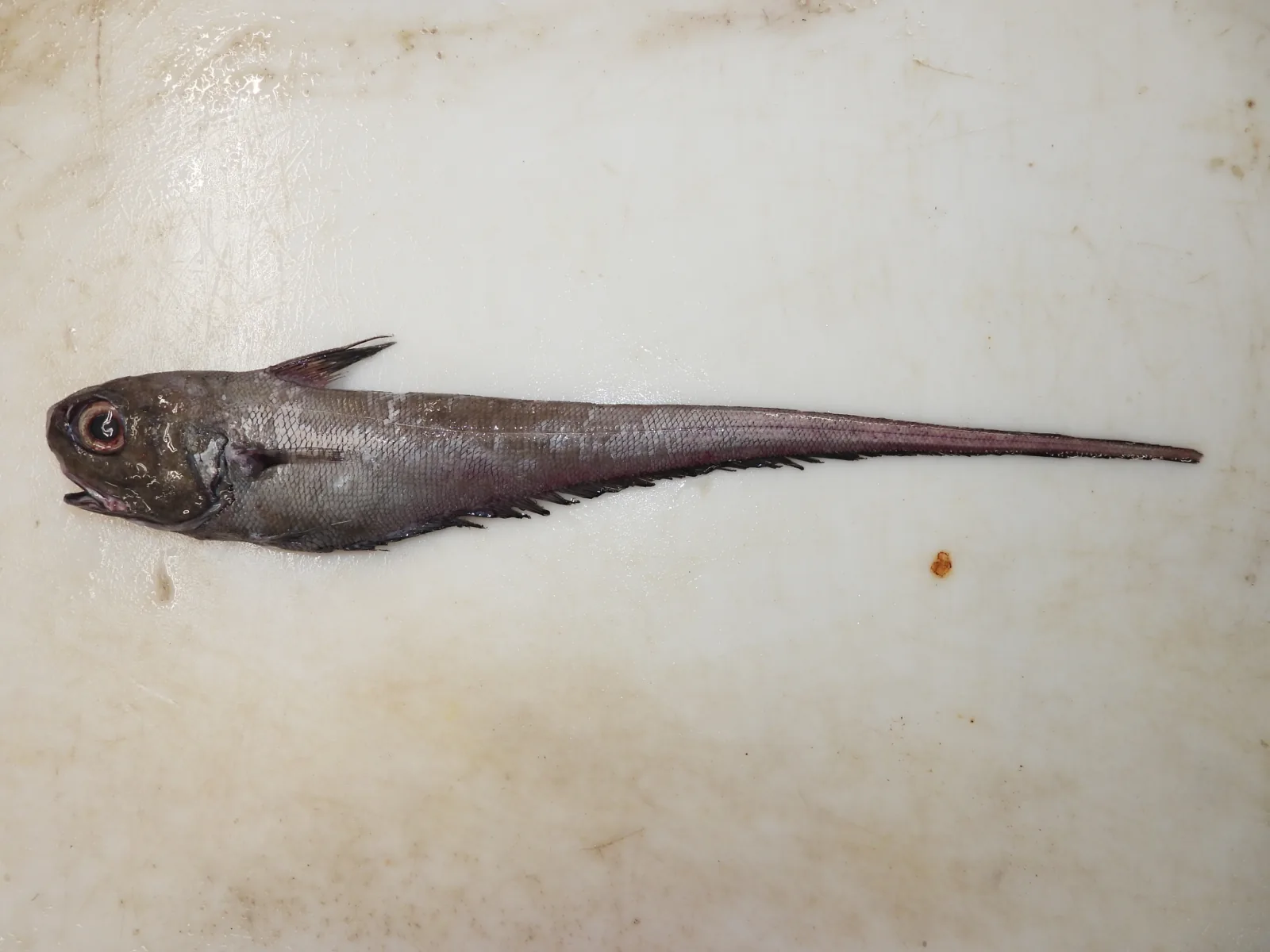
Roundnose grenadier
Roundnose grenadier is a deep-water macrourid of the North Atlantic, from about 37°N to Baffin Island and Greenland in the west, and from Iceland and Norway to the Barents Sea and North Africa in the east. It lives from 180 to 2,600 m, reaches 110 cm TL and 1.7 kg, can live 54 years, and feeds on crustaceans, fish and molluscs.

Ruby snapper
The body is relatively elongate and laterally compressed, pink to red above and white on the lower sides and belly. The nostrils on each side of the snout sit close together, and the lower jaw protrudes slightly. Unlike lehi, the premaxillae are protrusible and the maxilla carries scales. Both jaws have conical teeth with one or several enlarged canines on each side, and the vomer carries a chevron-shaped patch.
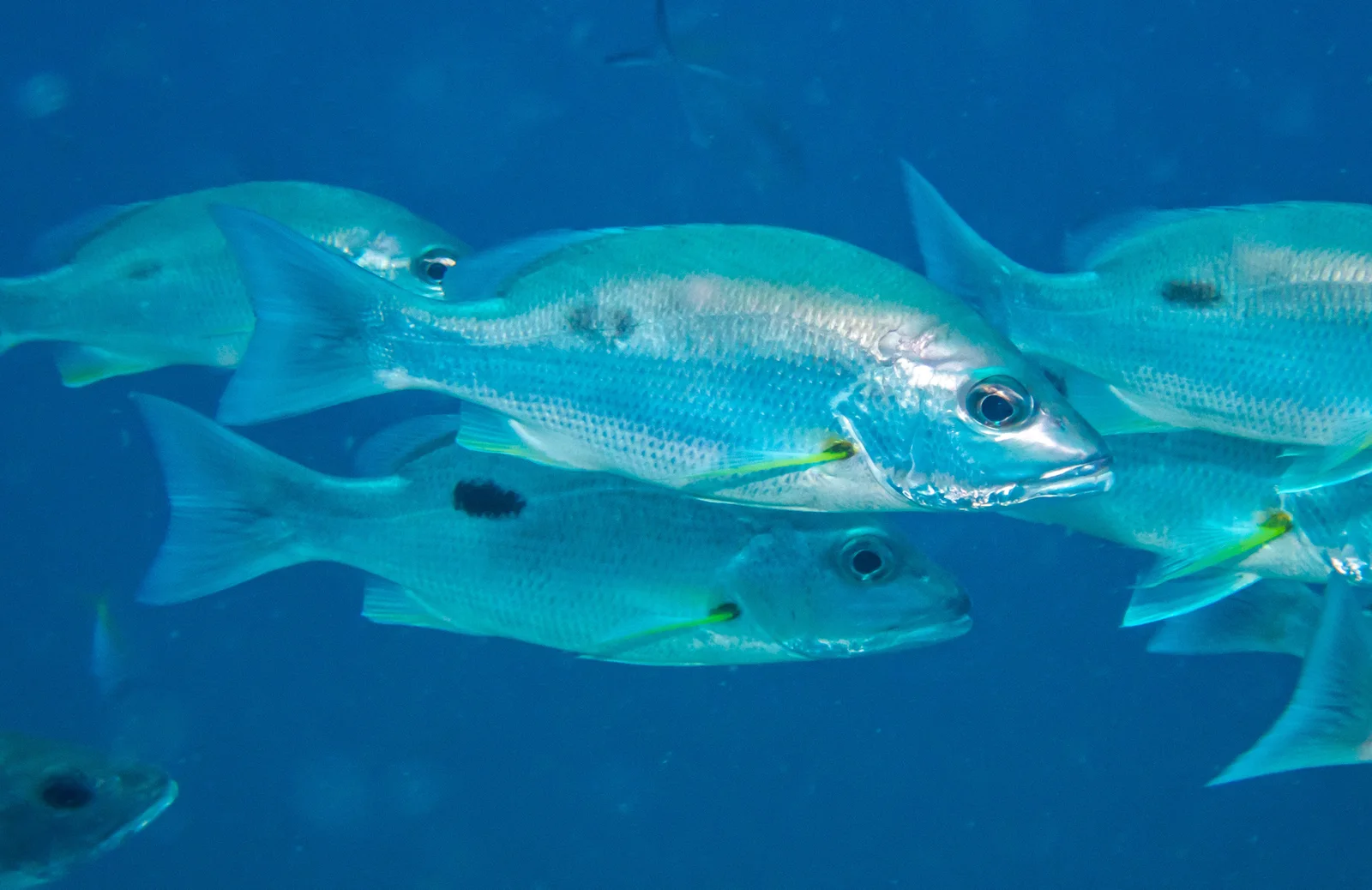
Russell's snapper
Russell's snapper is a small lutjanid of the western Pacific, reaching 50 cm in tropical water from 3 to 80 m. It feeds on fish, and boat bottom fishing is the usual approach. Its recorded season runs from October to February.

Sablefish
Sablefish is a deep-water fish of the North Pacific, from Kamchatka and Alaska south to Japan and Baja California. It works depths of 175 to 2,740 m, reaches 120 cm, feeds on crustaceans, fish and worms, and can live 94 years. It is available year-round.
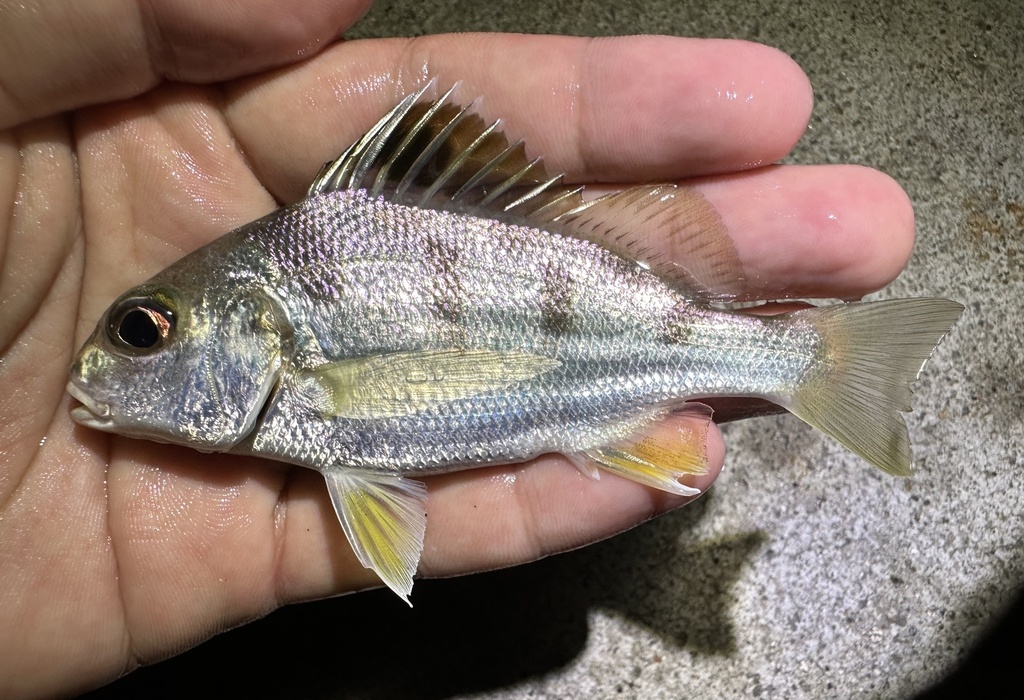
Saddle grunt
Saddle grunt is a tropical haemulid of the Indo-West Pacific, spread across the Indian Ocean and the western Pacific from China south to Australia. It works 20 to 110 m and feeds on crustaceans and small fish. Adults reach 59.3 cm TL and 3.2 kg.
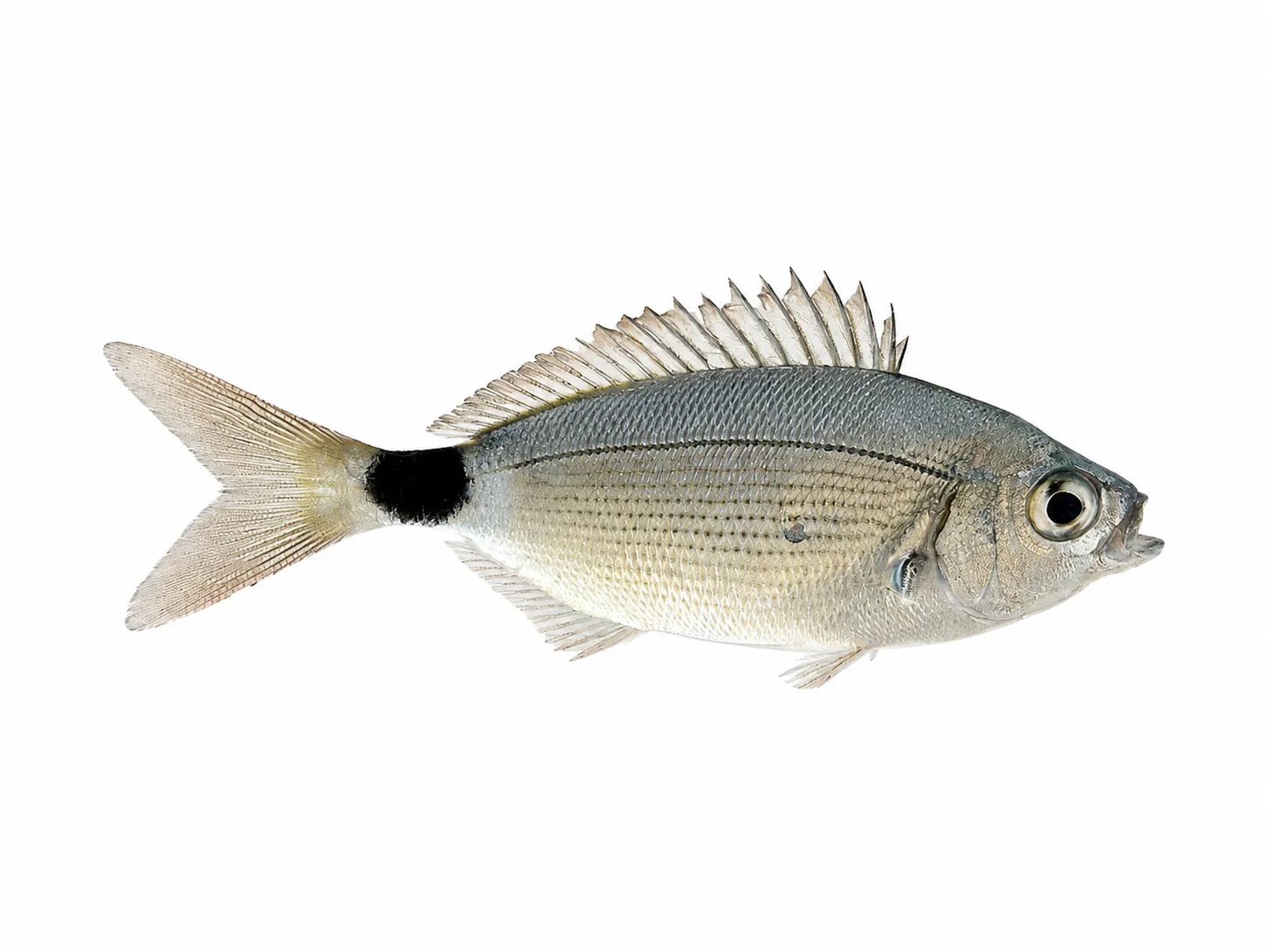
Saddled seabream
Saddled seabream is a small sparid of the eastern Atlantic and Mediterranean, from the Azores and Bay of Biscay to Angola, including Madeira, Cape Verde and the Canaries. It lives shallower than 30 m in subtropical water, reaches 36.6 cm TL and 0.525 kg, and feeds on fish and algae. It is present year-round.
No fish match this water on this page. Clear the filter or choose another habitat.